Why we need new Greenfield cities to breathe
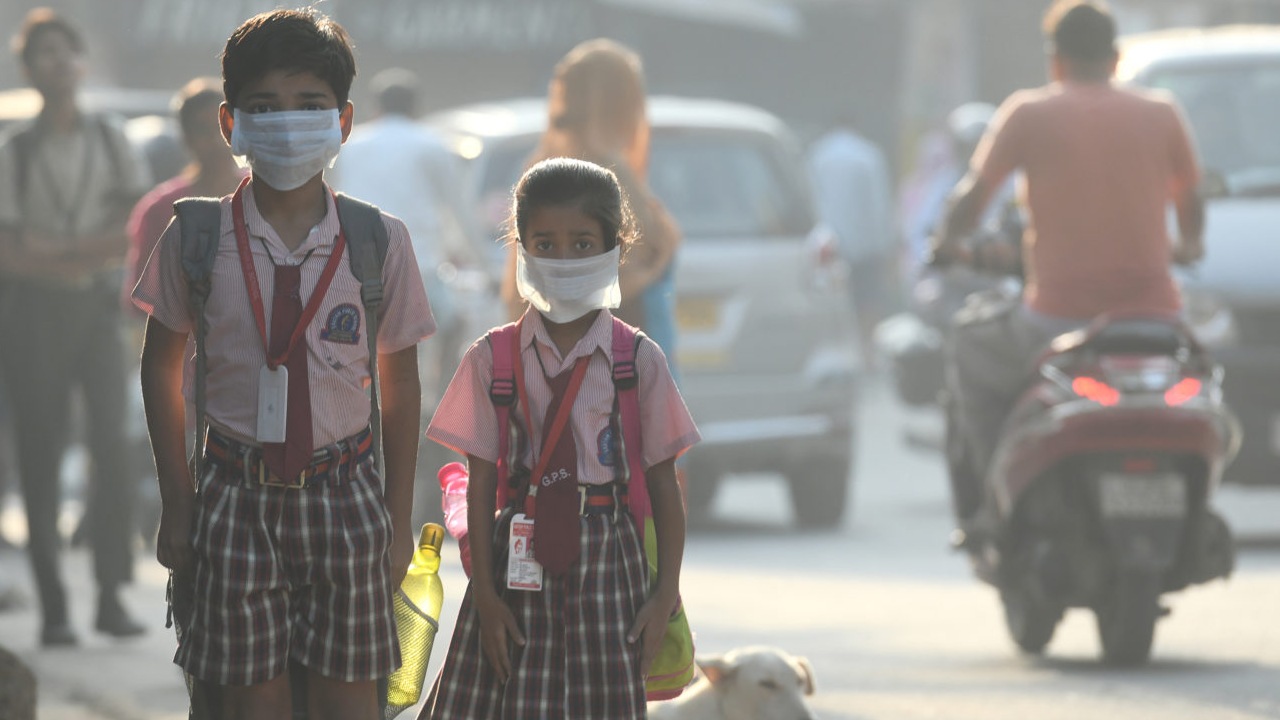
A recent article highlighting India’s focus on PM10 while PM2.5 remains the real killer struck a chord with many of us who wake up every winter to the familiar haze over our cities. It is disheartening to learn that the metrics we celebrate as ‘improvement’ often mask the finer, deadlier particles that lodge deep in our lungs, causing irreversible damage.
The piece rightly points out the shortage of trained pollution control engineers and the systemic gaps in monitoring and enforcement. Yet, amid the gloom, the example of Kraków offers a glimmer of hope: a city once among Europe’s most polluted, transformed through persistent civil society engagement, public awareness campaigns, and bold policy shifts like banning solid fuels for heating. Kraków Smog Alert, a grassroots movement, mobilised citizens, pressured authorities, and collaborated on regional air quality plans, resulting in significant drops in harmful pollutants. If a European
city could achieve this through collective will, why not India?
As someone who has spent years grappling with Delhi’s perennial smog, I see parallels and possibilities. Like Kraków, India has a vibrant civil society ready to demand change. But unlike Kraków, where the primary culprit was household heating, our pollution is multifaceted: vehicular emissions, construction dust, industrial outflows, and biomass burning, amplified by unchecked urban congestion. We cannot fix this by tinkering at the edges — smog towers, odd-even schemes, or even cloud seeding, which the article implicitly critiques through the lens of misplaced priorities.
These are symptomatic treatments for a structural disease: our megacities have grown beyond sustainable limits, trapping pollutants in inversion layers and overwhelming enforcement capacity.
The real threat, as the article underscores, is PM2.5 — the invisible assassin from combustion and dust. India’s National Clean Air Programme (NCAP) targets a 40 per cent reduction by 2026, yet progress remains uneven, partly because we chase PM10 reductions (easier from visible dust control) while PM2.5 sources persist. Kraków succeeded by addressing root causes through community-driven bans and subsidies for cleaner alternatives. India needs a similar paradigm shift: not just controlling pollution in existing cities, but preventing its concentration altogether through deliberate decongestion and dispersal.
Imagine decongesting our overburdened metros by systematically relocating central government offices, public sector undertakings, and even judicial functions to new locations. Delhi alone hosts thousands of ministries and PSUs, drawing millions in commuting traffic and necessitating endless construction. Shifting these — perhaps to satellite hubs in Uttar Pradesh, Rajasthan, or Haryana — would slash daily vehicle kilometres travelled by 20-30 per cent, per IIT Kanpur modelling. This isn’t fantasy; Brazil moved its capital to Brasília in 1960, Nigeria to Abuja in 1991, both reducing pressure on old hubs. India did it once, shifting from Calcutta to Delhi in 1911. Why not again, phased over a decade?
Complement this with the creation of greenfield cities, towns, and upgraded villages, designed from the ground up for low pollution. Picture 200-250 new cities of 0.5-2 million people each by 2047, strategically placed along coasts, rivers, and mountains — harnessing natural ventilation, mandating 40-50 per cent green cover, EV-only mobility, and autonomous local pollution boards with real-time monitoring and enforcement powers. These wouldn’t be elite enclaves but mixed-income settlements with land-pooling models like Magarpatta in Pune or Amaravati’s farmer-inclusive approach, ensuring equity.
These visions are achievable with AI-optimised planning, modular construction, and value-capture financing — total cost 2-3 per cent of GDP over two decades, offset by health savings (INR 2 lakh crore annually from cleaner air) and productivity gains. Autonomous pollution mechanisms — local boards with citizen oversight, real-time sensors, and strict no-ICE zones — would prevent the failures plaguing current setups, where engineer shortages dilute enforcement.
Civil society can drive this, just as in Kraków. Petitions, awareness campaigns, and collaborations with urban planners could pressure the government to pilot 10-20 greenfields by 2030. The NCAP and Smart Cities Mission provide frameworks; we need the will to expand them boldly. India’s focus on the wrong metrics saddens, but Kraków’s story inspires. By decongesting, dispersing, and building anew — with community at the helm — we can ensure PM2.5, not just PM10, becomes yesterday’s problem. It is doable, equitable, and urgent. Let civil society lead the charge.
The writer is an environmentalist and writes about environmental issues; views are personal