Why Delhi’s smog is getting worse every year
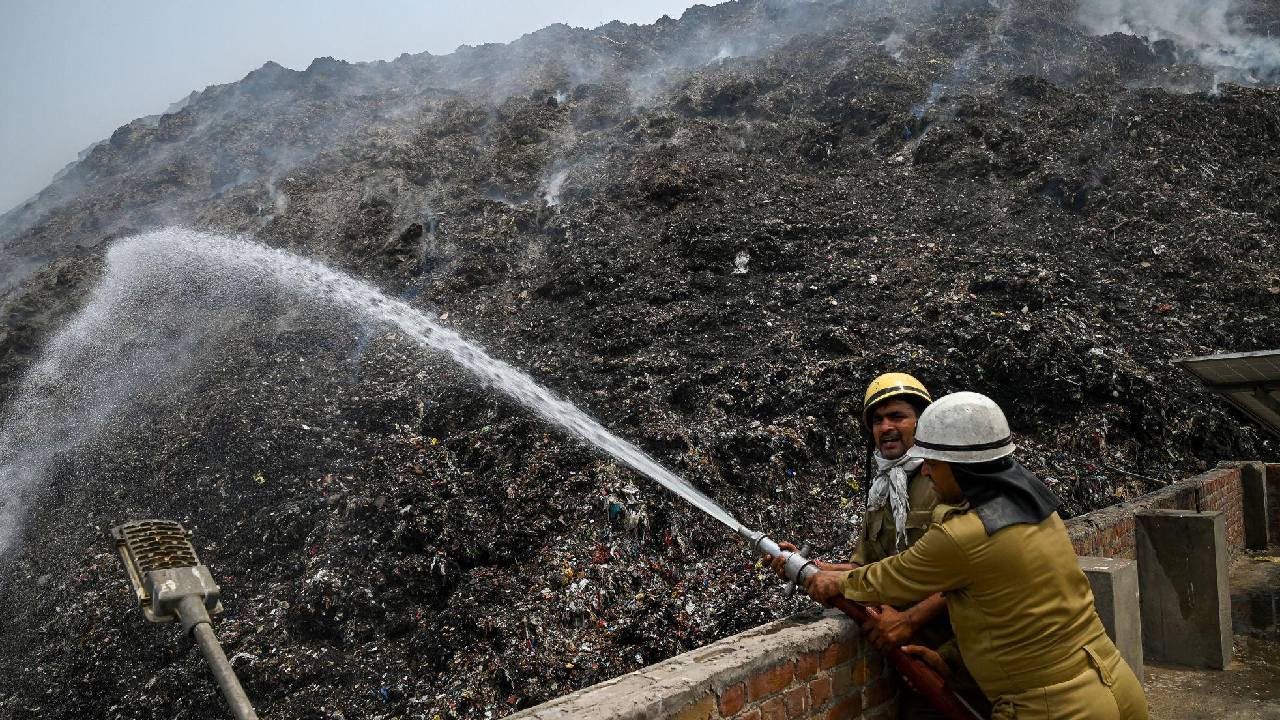
Every winter, Delhi braces itself for thick, choking smog, and everyone points fingers at cars and factories. But there’s another big reason for the haze that barely gets mentioned: the lithium batteries thrown out with the rest of our garbage and the everyday waste fires burning on the streets. This is pollution we’re creating ourselves, but most of us don’t even realise it’s happening. It’s not just outside factors anymore — Delhi’s smog is also about what we use and throw away.
Think about all the gadgets we use daily — earbuds, LED lights, kids’ toys — all powered by lithium batteries. Once tossed out, these batteries turn into little time bombs in our trash. Since we mix everything in one black plastic bag - from food scraps to wires to vape pens - these batteries end up being crushed and squashed with other flammable materials, making things far more dangerous.
Just one lithium-ion battery getting crushed in a garbage truck can set off a chain reaction that causes slow-burning landfill fires, sometimes lasting for days. Places like Ghazipur, Bhalswa and Okhla have sent clouds of chemical smoke into nearby neighbourhoods again and again, but these fires barely get counted in official pollution numbers or air quality reports.
And it’s not just the landfills. Every day, sanitation workers — often short-staffed and working with what they have — end up setting fire to piles of waste out on the streets. It’s not really their fault; the system just doesn’t give them better options. When plastics, PVC, thermocol and e-waste are burned, they release toxic chemicals and heavy metals that linger in Delhi’s air. If you’ve ever walked around East or South Delhi at dusk, you’ve probably smelled burnt plastic in the air. That’s from hundreds of small garbage fires burning under bridges, behind markets and along pavements. Their smoke blends into the night air and makes the morning smog even worse. These fires release extremely tiny, toxic particles that are even more dangerous than the PM2.5 we always hear about - yet most air quality monitors barely pick them up. Delhi’s pollution plans focus on traffic and construction, but they miss the huge problem of burning waste, leaving a major source of smog unsolved.
It’s no surprise that Delhi is struggling with this crisis. The way the waste system works, it’s almost set up to fail. People put everything into one bin because there’s nowhere easy to drop off old electronics or batteries. Informal recyclers are only interested in valuable metals, so they dump or burn whatever’s left — plastic, wires, anything that’s not worth much. Sanitation workers are overwhelmed, trying to deal with over 11,000 tonnes of trash every day while landfills overflow and there aren’t enough facilities to process it all. With all these problems, burning garbage seems like the quickest fix — so everyone just looks the other way.
But there’s actually a huge opportunity here if we get recycling right, especially with the help of modern technology and formal systems. Advanced recycling centres can safely extract valuable materials like lithium, cobalt, nickel, copper and rare earth elements from old batteries and electronics. India currently imports many of these minerals to build things like electric vehicles, electronics and clean energy projects. If we recycle more at home, we won’t need to mine as much from other countries, we’ll cut down on pollution, and we’ll make India more secure when it comes to resources.
A strong, technology-driven recycling system could turn our waste crisis into an economic opportunity. Through automated dismantling and advanced battery recycling, valuable minerals can be recovered safely without causing pollution or endangering workers. If India invests in such facilities, it can create skilled jobs, protect labour, and build a circular supply chain that reduces dependence on imported raw materials. As global resources grow scarcer, this kind of self-reliance becomes not just desirable but necessary.
What makes waste fires especially dangerous is not only the visible smoke, but the toxic legacy they leave behind. Dioxins, heavy metals and persistent pollutants remain in the environment for decades. These substances are linked to cancer, hormone disruption, lung disease and developmental harm in children. What begins as seasonal smog can quietly evolve into a long-term public health emergency.
Addressing this crisis requires more than winter alarm. A major share of Delhi’s pollution stems from poor waste management. Returning used batteries and small electronics should be as easy as buying them, with accessible drop-off points and clear incentives. Producers must be responsible for collecting end-of-life products. Sanitation workers need proper tools and training so burning waste is no longer the default, while landfills require systems to detect batteries before fires start. Ignoring the
issue only deepens the damage. Each waste fire worsens air quality, fills hospitals, and harms children — pollution we create ourselves, breath by toxic breath.
The writer is a former Secretary in the Ministry of Coal, Government of India; views are personal