West Asia war tests India’s economy
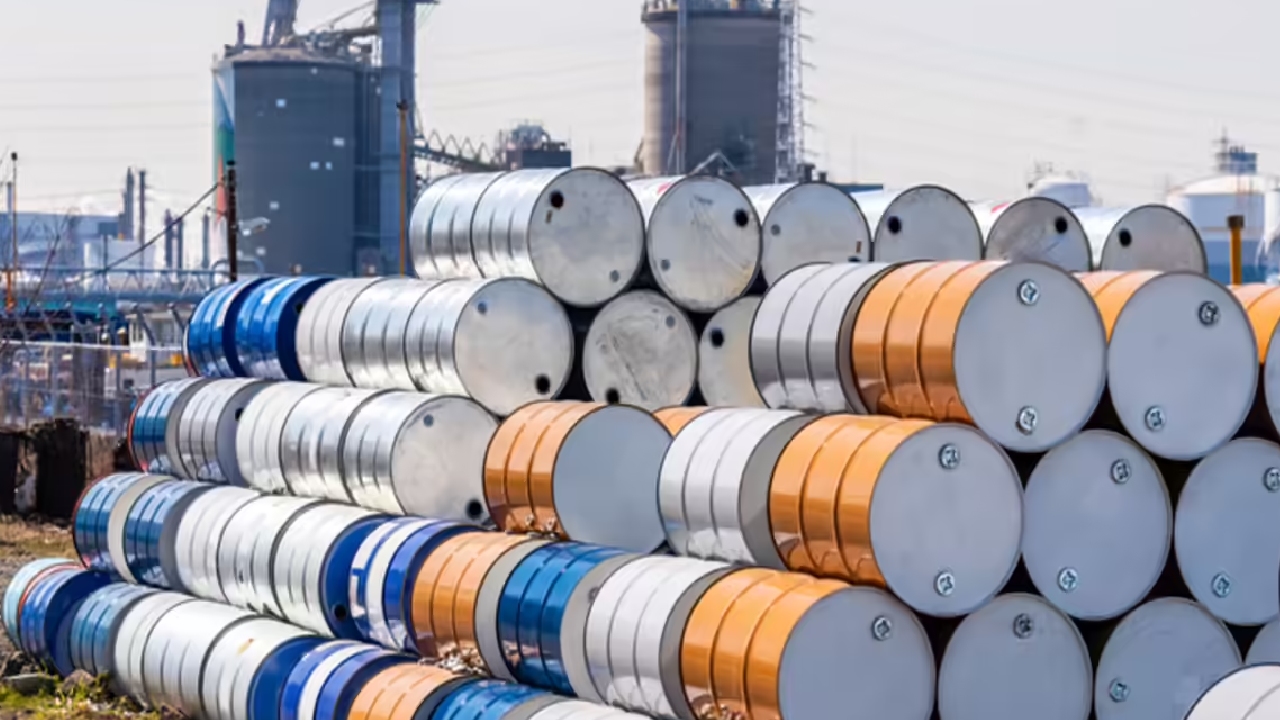
Three weeks on, there is no sign of a let-up, only escalation — this sums up the US-Israel-Iran war that started as a regional conflict but is now impacting the whole world, and India is no exception. With our heavy dependence on imported fossil fuels, most of which passes through the Strait of Hormuz, the oil supply is severely hit, and as the war prolongs, things will get worse. The impact is staggering. The oil markets are in a tizzy, oil prices have already reached $119 per barrel. Experts feel that oil prices will touch $150 per barrel within a matter of weeks if the war does not end or some sort of mechanism to supply oil through Hormuz is not reached. The Iran war has once again exposed the fragility of global energy markets-and India’s deep vulnerability to them.
Recognising the gravity of the situation, Prime Minister Narendra Modi convened a high-level meeting to review the country’s energy preparedness, signalling both urgency and concern. While retail petrol and diesel prices have so far remained stable, this may not hold for long. Industrial diesel prices have already risen by about 25 per cent, reflecting the underlying stress in the system. Such increases inevitably translate into higher transportation and logistics costs, which in turn fuel inflation across sectors. Equally alarming is the falling rupee against the dollar, and it would not be an exaggeration to say that we are now close to breaching the 100 mark in months, if not weeks. The depreciation of the Indian rupee further compounds the crisis by making imports more expensive.
Like every crisis, this too has its own lessons, if we are willing to learn. For long, we have depended upon imported oil for our energy needs without ever caring that this dependency is one of the severest weaknesses any nation can have, especially if it strives to be a regional power. The time to correct this vulnerability is now. It is a structural issue and needs to be tackled with utmost urgency. There cannot be a short-term fix for it, like arranging alternative suppliers or increasing cess to manage demand. It would need investments in exploration and refining facilities. It would need sustainable solutions like biofuels and renewable energy resources — the policy decisions that would alter the energy equation. It is not a unique problem; many countries have successfully become self-sufficient and transitioned from total dependence on oil to a more diversified and self-reliant energy mix. Germany, through its ‘Energiewende,’ scaled renewables rapidly; Denmark switched to wind energy in a big way; and China dominates solar, wind, and battery supply chains, combining energy security with industrial strategy. Electrification of transport, expansion of public transit, and promotion of energy efficiency can significantly reduce oil dependence. Equally important is macroeconomic resilience. Strengthening the rupee through sound fiscal management and boosting exports can help mitigate the impact of external shocks. The lesson is clear-energy security equals national security, and it should be our national priority. We need a long-term strategy; it will not be fixed with a band-aid!