Total Loss Car Insurance - Meaning & How is IDV Calculated
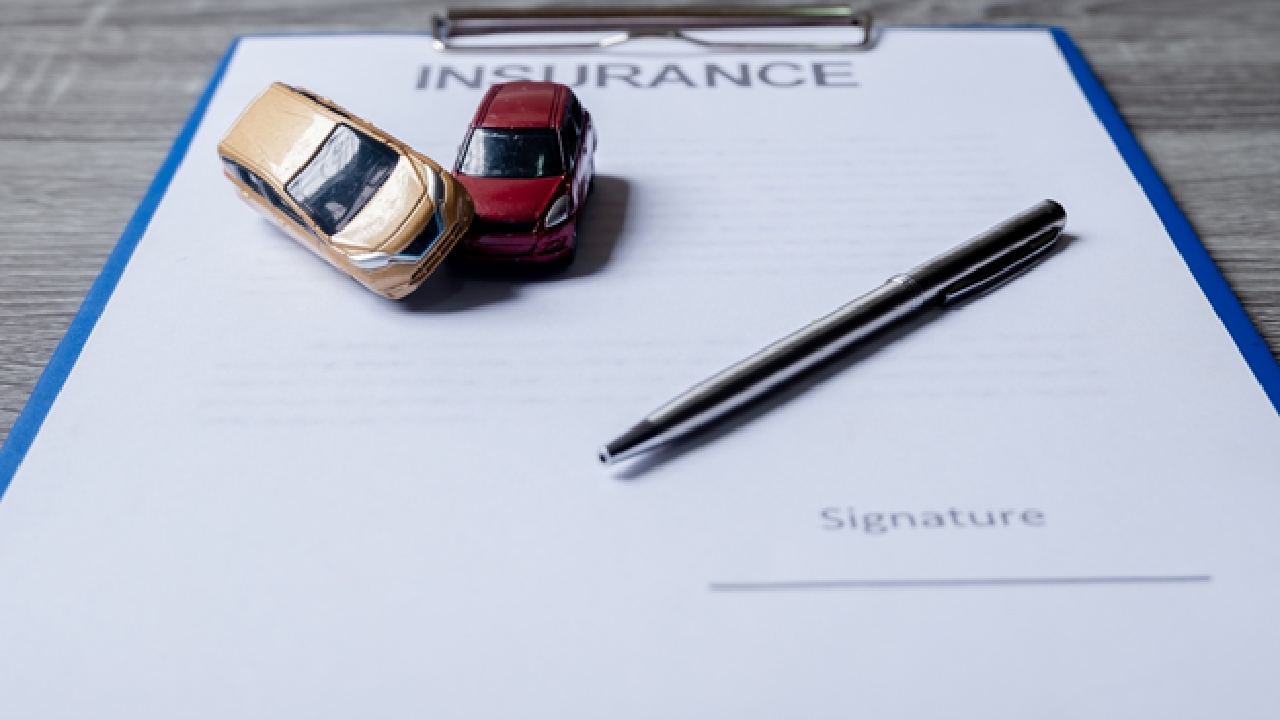
Severe accidents or natural disasters can sometimes damage a vehicle beyond reasonable repair. In such cases, insurers may declare the car a total loss, settling the claim based on its assessed value rather than repair costs. Factors, including IDV car insurance, become especially relevant in these situations, as the Insured Declared Value directly determines how much the policyholder receives when a vehicle is written off.
What is Total Loss in Car Insurance?
Insurance policies for vehicles are designed to compensate owners when a car is damaged or lost due to insured events. A total loss is declared when repair costs exceed a defined percentage of the vehicle’s value, as laid down by regulatory guidelines. This typically happens in serious accidents, major fires or severe flood damage where restoration is not economically practical.
In such situations, insurers do not reimburse repair costs. Instead, they settle the motor insurance claim based on the vehicle’s Insured Declared Value, commonly referred to as IDV.
What is Insured Declared Value?
IDV car insurance represents the current market value of the vehicle as agreed upon by the insurer and the policyholder at the time of purchasing or renewing the policy. It is not the same as the purchase price or on-road cost. Instead, IDV reflects depreciation over time and serves as the maximum amount payable in the event of total loss or theft.
Because total loss claims are settled entirely on the IDV, selecting an accurate value is critical. Overstating or understating it can directly affect the final payout.
How is IDV Calculated?
In simple terms, IDV is worked out by taking the vehicle’s listed price and reducing it based on its age. The depreciation rates used for this are standard and apply across insurers.
For example, a new car attracts minimal depreciation, while a vehicle that is several years old will see a significant reduction in IDV. Any non-factory-fitted accessories may be added to the IDV if declared separately.
Role of Depreciation in Total Loss Claims
Depreciation plays a major role in determining the settlement amount. As the vehicle ages, its IDV reduces, which in turn lowers the payout in a total loss scenario. This is where covers such as bumper-to-bumper insurance can indirectly help during the policy period by reducing out-of-pocket repair expenses in smaller claims, even though depreciation still applies to total loss settlements.
Understanding this distinction helps policyholders set realistic expectations when filing claims.
How Total Loss Claims are Settled
After the vehicle is inspected and declared a total loss, the insurer works out the settlement amount using the applicable IDV. Mandatory deductibles and any salvage value are accounted for before the final amount is decided. In most cases, the damaged vehicle is then handed over to the insurer or a salvage handler.
Having the right documents in place and selecting a realistic IDV at the time of purchase usually helps avoid delays or disagreements during settlement.
Common Mistakes Policyholders Make When Choosing IDV
One common mistake is choosing a lower IDV in car insurance to reduce premiums, without considering the impact on total loss payouts. Another is assuming add-ons like bumper-to-bumper cover override depreciation in total loss cases, which they do not. Being informed about how different components of the policy function can prevent disappointment later.
Leverage Transparent IDV Calculation and Claim Settlement Process with TATA AIG
Total loss situations highlight the importance of understanding how vehicle value and depreciation influence claim outcomes. TATA AIG focuses on transparent IDV car insurance calculation, clearly defined policy terms and structured claim assessment processes. By offering clarity at the policy stage and consistency during settlement, TATA AIG helps car owners navigate total loss motor insurance claims with confidence and fewer surprises.