The World Economy: Fragile yet resilient
The global economy in 2025 moved forward cautiously, balancing persistent shocks with surprising resilience. After years of disruption caused by the pandemic, wars, inflation and monetary tightening, the world economy avoided a feared hard landing, but growth remained uneven and fragile.
Global GDP growth hovered around 3 per cent, below the long-term average, reflecting a sharp divergence between regions. While emerging economies continued to outperform, advanced economies struggled under the weight of high interest rates, ageing populations and weak productivity growth.
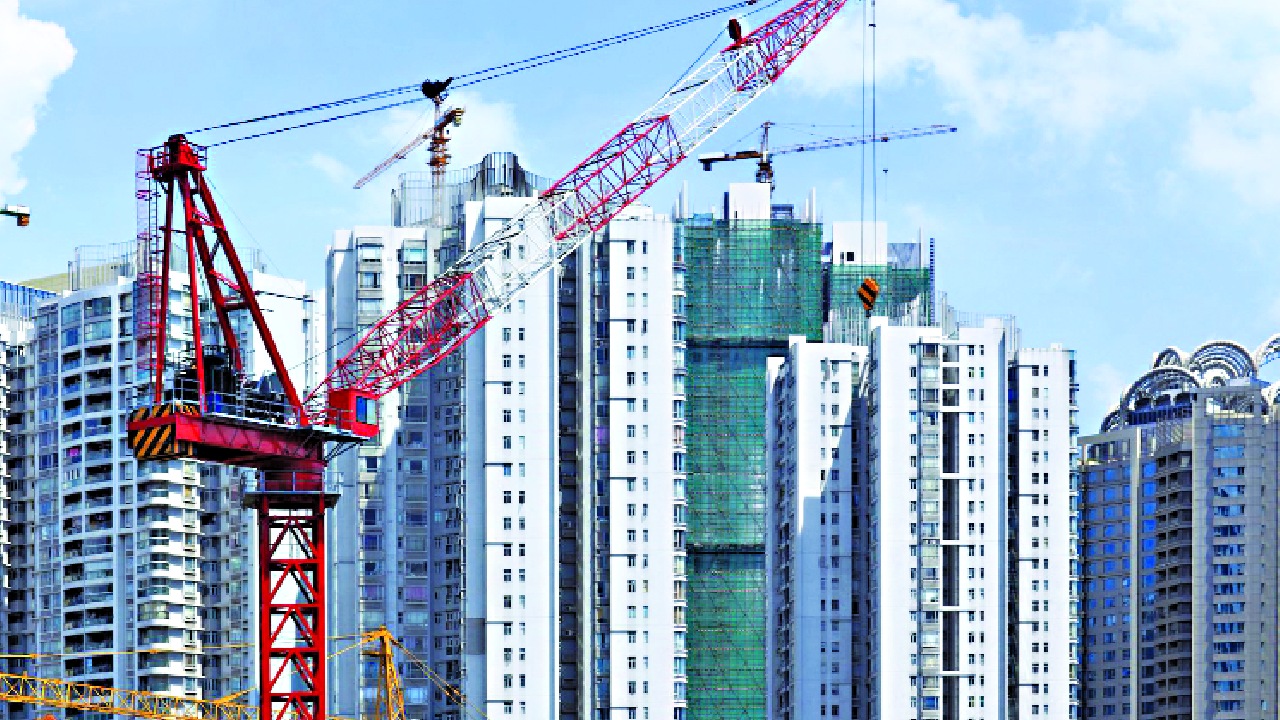
Among the highs of 2025 was the remarkable resilience of the United States, where strong consumer spending, a tight labour market and fiscal support helped sustain growth despite elevated borrowing costs. Inflation cooled steadily, allowing policymakers to shift focus from aggressive tightening to maintaining stability. Japan, too, showed signs of revival, gradually exiting decades of ultra-loose monetary policy amid rising wages and inflation expectations. In contrast, Europe faced a year of near-stagnation. Energy costs, geopolitical uncertainty stemming from the Ukraine war, and weak industrial output weighed heavily on the Eurozone. Germany, traditionally Europe’s growth engine, struggled with manufacturing slowdowns and supply chain realignments. China, once the primary driver of global growth, continued to grapple with structural headwinds. A prolonged property sector crisis, demographic pressures and subdued domestic demand slowed expansion, prompting policymakers to rely on targeted stimulus rather than large-scale intervention. While growth remained positive, it no longer delivered the strong spillover effects the world had grown accustomed to.
The year’s lows were defined by geopolitical conflicts and trade fragmentation. The ongoing war in Ukraine, tensions in West Asia, and rising protectionism disrupted energy markets, shipping routes and global trade flows. Tariffs and industrial subsidies increasingly replaced free trade, creating uncertainty for businesses and investors. Developing economies faced mounting debt stress as high global interest rates raised borrowing costs and limited fiscal space. Yet, amid these challenges, the world economy displayed notable adaptability. Global supply chains continued to diversify under the “China-plus-one” strategy, benefiting countries such as India, Vietnam and Mexico. Inflation, while still a concern, moderated across most economies, easing pressure on households and central banks alike. Technological advances, particularly in artificial intelligence, productivity tools and clean energy, offered new growth avenues even as they raised concerns about job displacement and inequality.
As the world looks to 2026, cautious optimism prevails. Growth is expected to improve modestly, supported by anticipated interest rate cuts in major economies, easing inflation and stabilising energy markets. Emerging markets with strong domestic demand, younger populations and policy reforms are likely to lead the next phase of expansion. However, risks remain elevated. Geopolitical tensions, climate-related disruptions, and the challenge of managing the green transition without exacerbating inequality will test policymakers worldwide. The lesson of 2025 is clear: while the global economy is no longer in crisis mode, it is navigating a narrow path where resilience must be matched with reform, cooperation and foresight.