The quiet power of Yoga: Strength through flexibility
In today’s fitness-driven world, strength is often measured by what is visible-bulging muscles, defined abs, and the ability to lift heavy weights. Gym culture celebrates size, symmetry, and power. Yoga, on the other hand, follows a very different philosophy. It does not promise big muscles or dramatic physical transformation. What it offers instead is something far more sustainable and essential: a strong, flexible, and resilient body that functions well through all stages of life.
Yoga strengthens the body, but not in the way most people expect. The strength developed through yoga is not about isolated muscle growth; it is about integrated strength-where muscles, joints, ligaments, breath, and balance work together as one system.
How Yoga Builds Strength
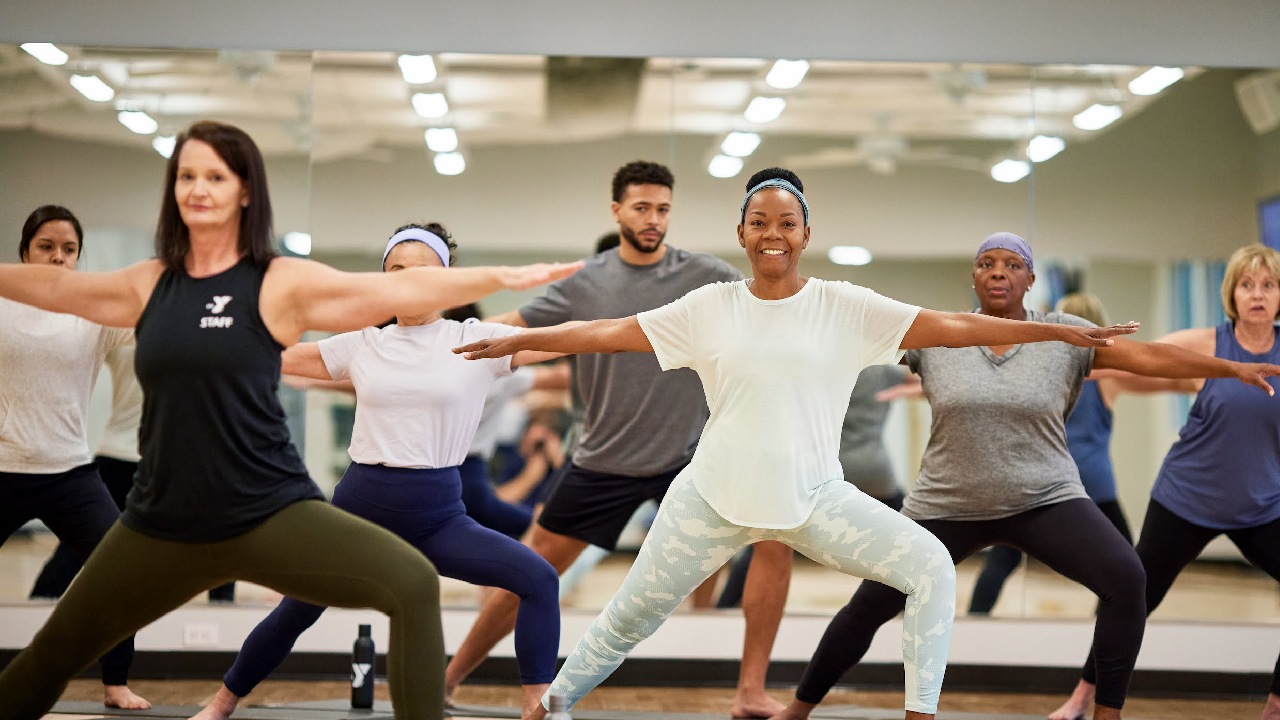
Yoga uses the body’s own weight as resistance. When you hold poses such as plank, warrior, chair pose, or downward dog, multiple muscle groups engage simultaneously. These poses build functional strength-strength that supports real-life movement rather than just aesthetic appearance.
Unlike gym exercises that often isolate one muscle at a time, yoga activates stabilising muscles that are usually neglected. Small muscles around joints, especially in the hips, shoulders, spine, and knees, become stronger. This reduces the risk of injury and improves posture and balance. Yoga also strengthens connective tissues-tendons, ligaments, and fascia-which are critical for long-term joint health. These tissues are rarely targeted in conventional gym routines, yet they determine how well the body holds together under stress.
Flexibility: Yoga’s Core Gift
Flexibility is the ability of muscles and joints to move through their full range of motion. Yoga is fundamentally designed to improve this capacity. Through gentle stretching, sustained poses, and mindful breathing, muscles gradually lengthen and soften. Flexibility in yoga is not forced. Movements are slow, controlled, and synchronised with the breath. This allows muscles to release tension rather than resist it. Over time, stiffness reduces, joints open up, and the body feels lighter and freer.
This flexibility is not just physical; it reflects adaptability. A flexible body responds better to sudden movements, uneven surfaces, and daily physical demands. It bends without breaking.
Gym Strength vs Yogic Strength
Gym workouts, especially weight training, are excellent for building muscle mass and visible strength. However, when flexibility is ignored, muscles can become tight and shortened. This creates imbalance-strong muscles pulling against stiff joints. A body built only for size may look powerful but can lack mobility. Many gym-focused individuals experience reduced range of motion, back pain, shoulder stiffness, or knee issues over time. The body becomes rigid, and simple movements-squatting, bending, twisting-can feel restricted. Yoga produces the opposite effect. The body may not appear bulky, but it moves efficiently. A yogic body is strong without stiffness, stable without heaviness, and capable without strain.
Why Flexibility Is Essential
Flexibility is not optional; it is foundational to health. As we age, muscles naturally shorten and joints lose lubrication. Without flexibility training, the body becomes prone to pain, falls, and chronic conditions. Flexible muscles allow joints to move freely, reducing wear and tear. This protects the spine, hips, knees, and shoulders-the most commonly injured areas. Flexibility also improves circulation, allowing nutrients to reach tissues and waste to be removed more efficiently. Importantly, flexibility supports mental well-being. Tight muscles often hold stress, especially in the neck, shoulders, and lower back. Yoga releases these stored tensions, calming the nervous system and improving sleep, focus, and emotional balance.
Yoga and Longevity
Yoga is not about short-term results; it is about lifelong movement. A flexible, well-aligned body ages better. It remains independent, pain-free, and active for longer. This is why yoga practitioners often appear younger in movement than their chronological age. Their bodies may not be muscular in the conventional sense, but they are efficient, responsive, and resilient. Yoga does not aim to give you large muscles, and that is its strength. Instead, it offers balance-between strength and flexibility, effort and ease, stability and mobility. In a world obsessed with appearance, yoga focuses on function. It builds a body that supports you in daily life, protects you from injury, and adapts gracefully to change. True strength is not just the ability to lift heavy weights. It is the ability to move freely, recover quickly, and remain comfortable in your own body. Yoga delivers this quietly, steadily, and profoundly.
The writer is a trained Sivananda Yoga teacher; views are personal