The changing paradigm of national security
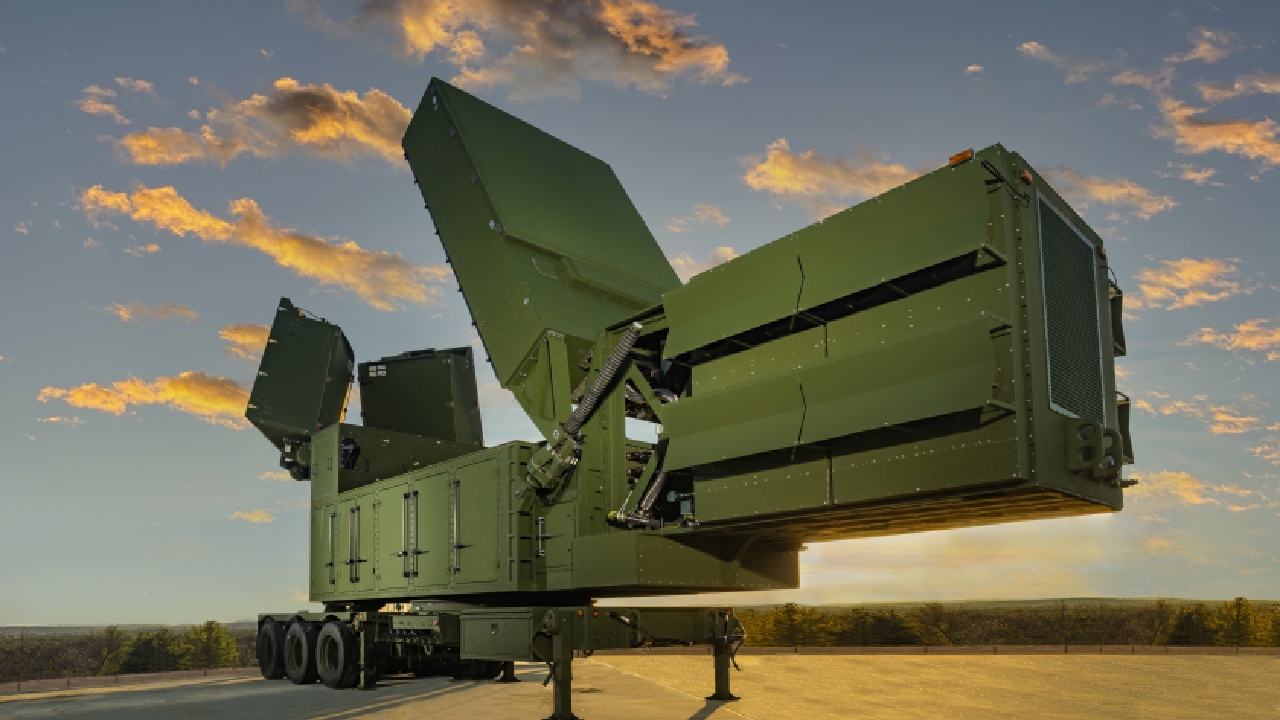
Warfare in the twenty-first century has drastically changed; it is very different from what it was in earlier times. Gone are the days when war meant tanks, aircraft and artillery firing at army positions on the border and soldiers braving it on the frontline. Today the border has stretched everywhere - the whole country is a battlefield, and it is not just about artillery; it has several new dimensions which were hitherto unknown. Cyber-attacks, economic blockades, internet disruption and psychological warfare have now taken centre stage. Any country that runs on foreign dependencies is vulnerable. Ironically, a country that is digitally advanced is more prone to outages. This is no science fiction; these are the lessons of the Iran-Israel-US war right now raging in West Asia.
Today, as Rajnath Singh rightly noted, while speaking at a Sainik School function, countries can be destabilised not only through military aggression but also via cyberattacks, economic coercion, information warfare and disruptions in space-based infrastructure. Indeed, the battlefield has expanded, and so must the nation’s preparedness. Prime Minister Narendra Modi has already flagged the economic and strategic implications of these developments, calling the situation “worrisome”. Economic resilience is now inseparable from national security. The two are intertwined, and a country that aspires to be regional power must take that into account in its defence preparedness while simultaneously improving its military might — ballistic missiles, fighter jets, tanks and so on.
It cannot afford to depend upon imported oil; it cannot depend upon internet servers and cables running through oceans for internet access. It must have its own servers. It has to develop anti-ballistic missile architecture to protect itself from ballistic missiles. The key, therefore, is indigenisation of defence. In this changing scenario, India’s preparedness must be assessed across multiple dimensions. On the military front, there is visible progress, but there is a long way to go. The government has prioritised modernisation, with increasing emphasis on indigenous defence production and advanced technologies. Institutions like the Defence Research and Development Organisation (DRDO) are playing a pivotal role in strengthening capabilities. Cybersecurity is a big concern, not only in times of war but also in peacetime, and attackers could be sitting next door. Their attack on financial systems, critical infrastructure or communication networks can cripple a nation without a single shot being fired. Similarly, information warfare —through misinformation and narrative manipulation — poses a serious challenge to social cohesion and democratic processes. India has made strides in these areas, but institutional coordination and public awareness still lacks. Equally important is energy security. India must diversify its energy sources, build strategic reserves and invest in resilient infrastructure. Besides, an informed, vigilant and resilient population can act as the first line of defence against national threats, as Rajnath Singh pointed out. We must safeguard systems, institutions and the collective confidence of a nation. And we have to act fast before someone exploits these vulnerabilities.