Stressed teachers, anxious children: A school system under growing strain
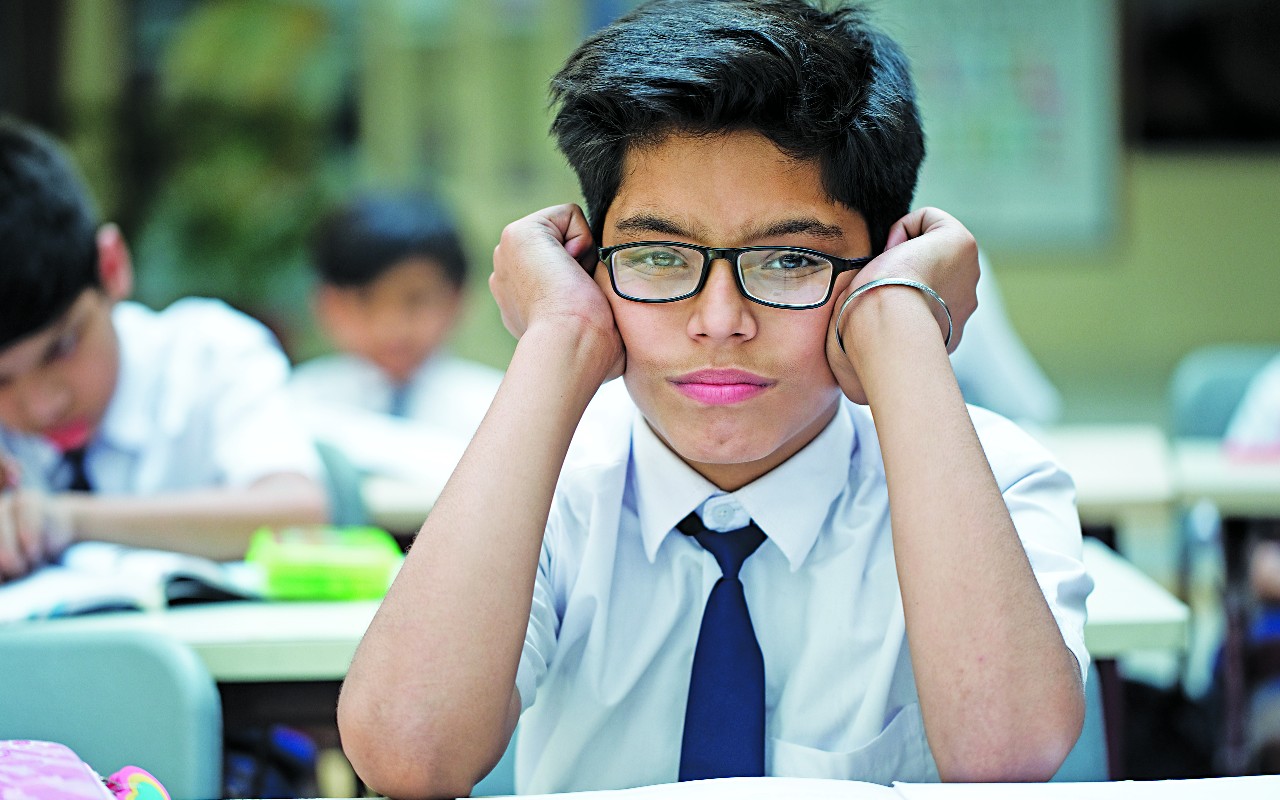
Walk into any school today and beneath the familiar buzz, you will sense something deeper — a collective emotional fatigue. It isn’t only students who appear overwhelmed. Parents, teachers, and even school systems are carrying levels of stress that were unheard of a generation ago. What we are witnessing is not scattered anxiety; it is an ecosystem under strain, and children are absorbing the heaviest weight.
Teachers: Overworked and Emotionally Exhausted
Teaching has always been demanding, but today’s teachers face pressures far beyond academic responsibilities. Compliance requirements, documentation loads, online updates, supervisory tasks, and activity coordination have expanded their roles dramatically. Most teachers were trained in pedagogy, not bureaucratic administration. This mismatch leaves them anxious, fatigued, and often disillusioned.
Yet behind their professional roles lie private burdens — financial worries, family issues, caregiving responsibilities, and personal emotional struggles. When a teacher walks into a classroom depleted, the environment inevitably absorbs that energy. As one teacher recently put it, “We are expected to stay calm for our students even when we don’t have a moment to breathe ourselves.”
A stressed teacher cannot consistently model serenity or resilience for young minds. Their nervous system becomes the emotional climate of the classroom.
Parents: Pressured, Guilty, and Overwhelmed
If teachers are stretched at school, parents are stretched at home. Rising living costs, job instability, health concerns, the demands of nuclear families, and constant comparison through social media have placed parents under unrelenting pressure. Even well-intentioned parents often operate with guilt and anxiety they cannot fully name.
Children absorb this long before they understand it. A home tinged with emotional strain quietly becomes an extension of the stress a child experiences at school. The question then becomes unavoidable: when both teachers and parents are struggling, who is holding the child?
Children: Navigating a High-Pressure World
Today’s students live in an environment radically different from anything previous generations experienced. Academic expectations are higher. Social comparisons are constant. Online personas create pressure to appear perfect. Opportunities are vast, but so are the fears of failing, lagging behind, or being judged.
This emotional landscape is intensified by digital exposure. Several international reviews over the past decade show that higher smartphone and social media use among adolescents correlates with elevated risks of depression, anxiety, and suicidal thinking — especially when use becomes compulsive.
Yet digital factors are only one strand in a larger web of stress, emotional overload, and unmet developmental needs.
Increasingly frequent reports of student self-harm and suicide are tragic reflections of an environment that overwhelms children with pressures they are developmentally ill-equipped to manage. No counselling session can offset a home or school environment saturated with anxiety.
The Flawed Argument: “We Also Faced Stress”
Adults often respond to young people’s struggles by saying, “We also had stress growing up.” But the comparison is fundamentally flawed.
The 1980s and 1990s had no smartphones, no real-time comparison, no algorithmic pressure, no hyper-competition, no constant academic evaluation, and vastly less information overload. Children today face psychological inputs at an intensity and speed that older generations simply did not encounter. The world has changed. Stress has multiplied. The ecosystem around a child is now immeasurably heavier.
Why Fixing the Child Alone Never Works
Children do not exist in isolation. Their mental health is shaped by the emotional stability of the adults around them. When teachers are overburdened and parents overwhelmed, children inhabit a world that mirrors this instability. This is why one-off workshops, short counselling sessions, or isolated interventions often fail.
Real, lasting change requires strengthening the ecosystem — the adults, the systems, the expectations — not just the child.
The Way Forward: Healing the Whole Ecosystem
A healthier educational environment demands balanced reform across three fronts:
In Schools:
Compliance must not overshadow pedagogy. Teachers need reasonable expectations, emotional support, and training in managing the psychological complexities of modern classrooms.
At Home:
Parents need guidance to reduce emotional spillover, manage stress, and communicate in developmentally healthy ways. A calm home becomes a psychological buffer for children.
For Children:
Well-being must be experienced, not only taught. Consistency between what adults teach and how they behave is crucial.
As one counsellor said, “You cannot plant seeds of well-being in soil that is constantly trembling.”
A Possible Future
The crisis is real, but it is reversible. When we recognise that children’s mental health reflects the emotional health of the adults around them, the path ahead becomes clearer. If we nurture teachers, support parents, and build balanced school systems, children will naturally experience greater security, confidence, and joy.
A mentally healthy child is not created in isolation — they are shaped by the ecosystem they grow in. Heal the ecosystem, and you heal the child.
The writer is a positive psychology specialist working in child development, mental health ecosystems and resilience-building for students, teachers and families; views are personal