Restoring Ethics in Indian Healthcare: A Call to Action
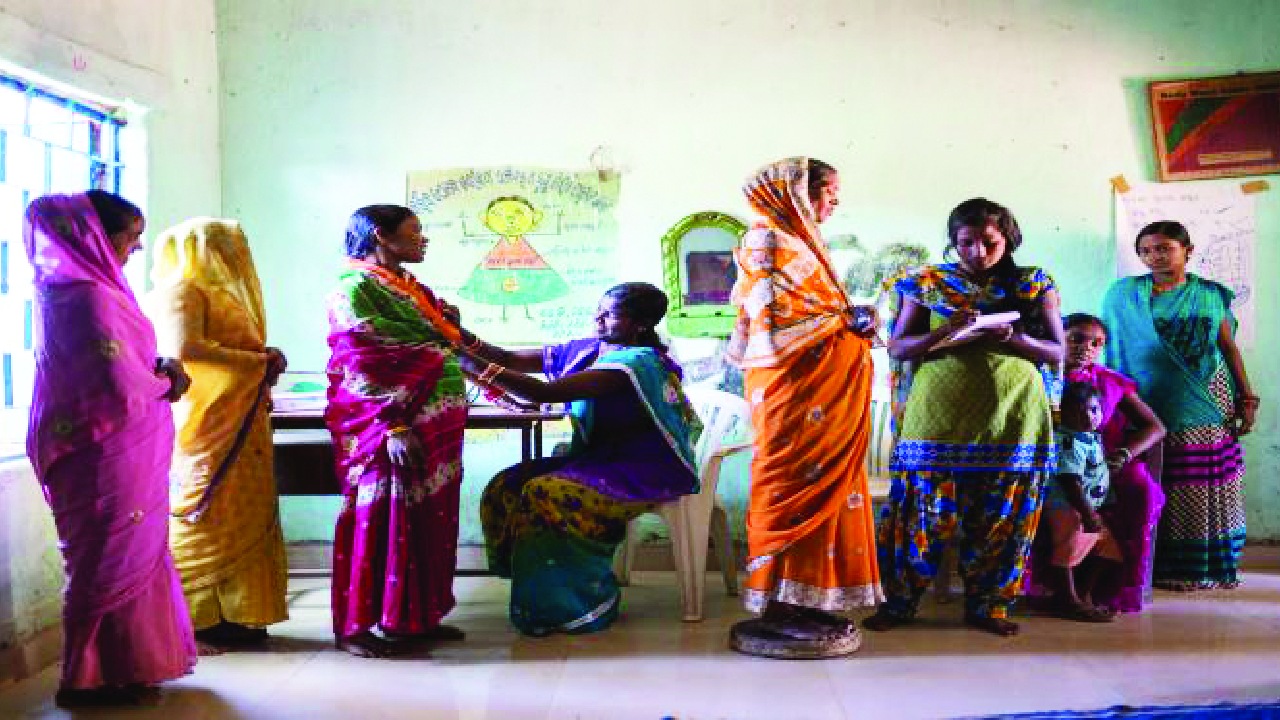
India’s healthcare system, historically rooted in compassion and service, is today confronting a profound ethical challenge. Medical colleges and hospitals, once regarded as sanctuaries of healing, are increasingly perceived as centres of commercial exploitation, where profit frequently takes precedence over patient welfare.
At the heart of medical practice lies the Hippocratic Oath, which obliges doctors to act in the patient’s best interest — to heal, not harm. Yet, in an era of aggressive commercialisation, this foundational principle is being steadily undermined. Treatment decisions are often swayed more by financial incentives than by medical necessity.
Hospitals are coming to resemble corporate enterprises, where patients are viewed as revenue sources rather than human beings in need of care. Excessive diagnostics, inflated bills, and avoidable procedures have become distressingly commonplace, eroding the trust that once formed the cornerstone of the doctor–patient relationship.Equally troubling is the growing nexus between hospitals and insurance companies.
This alliance frequently works against patients, particularly those from poor and middle-class backgrounds, who find themselves caught between delayed approvals, denied claims, and escalating costs. Healthcare must never become a battlefield in which the vulnerable are the first casualties.
Another pressing concern is the circulation of spurious and unnecessary medicines, prescribed not for the patient’s benefit but for commercial gain. This practice endangers public health and demands urgent regulatory attention.Institutions such as the National Medical Commission, NABH, and State Medical Councils were established to maintain standards and ensure accountability. Yet, their operations often appear procedural rather than principled.
Accreditation alone cannot substitute for ethical governance. When oversight bodies fail to act decisively, public confidence inevitably deteriorates. Even institutions like the National and State Human Rights Commissions must reflect on their role; delayed or muted responses to cases of medical exploitation deepen public despair and weaken trust in democratic safeguards.
Healthcare is not a privilege; it is a fundamental responsibility of the State. The Government of India, alongside state authorities, must act decisively to restore ethical discipline within the medical profession.
Stronger legislation, transparent oversight, and unwavering accountability are no longer optional—they are essential.India’s medical community has long been celebrated for its skill and dedication. It is time to reclaim that legacy by placing ethics, empathy, and human dignity at the heart of healthcare. The silence of regulatory bodies in this matter is nothing short of a betrayal of public trust.
We urge the Government of India and the National Human Rights Commission to:Audit the nexus between pharmaceutical companies and hospital prescriptions.Enforce a legally binding "Patient’s Bill of Rights," prominently displayed in every medical facility.Establish independent grievance cells to handle cases of medical exploitation swiftly and transparently.Policy-makers must move beyond procedural accreditation and implement principled governance. Only then can the dignity of the Indian medical profession be restored before public trust is irrevocably lost.
The writer is a former Member of Parliament; views are personal