RangBaag opens in Delhi park, turns green space into theatre classroom
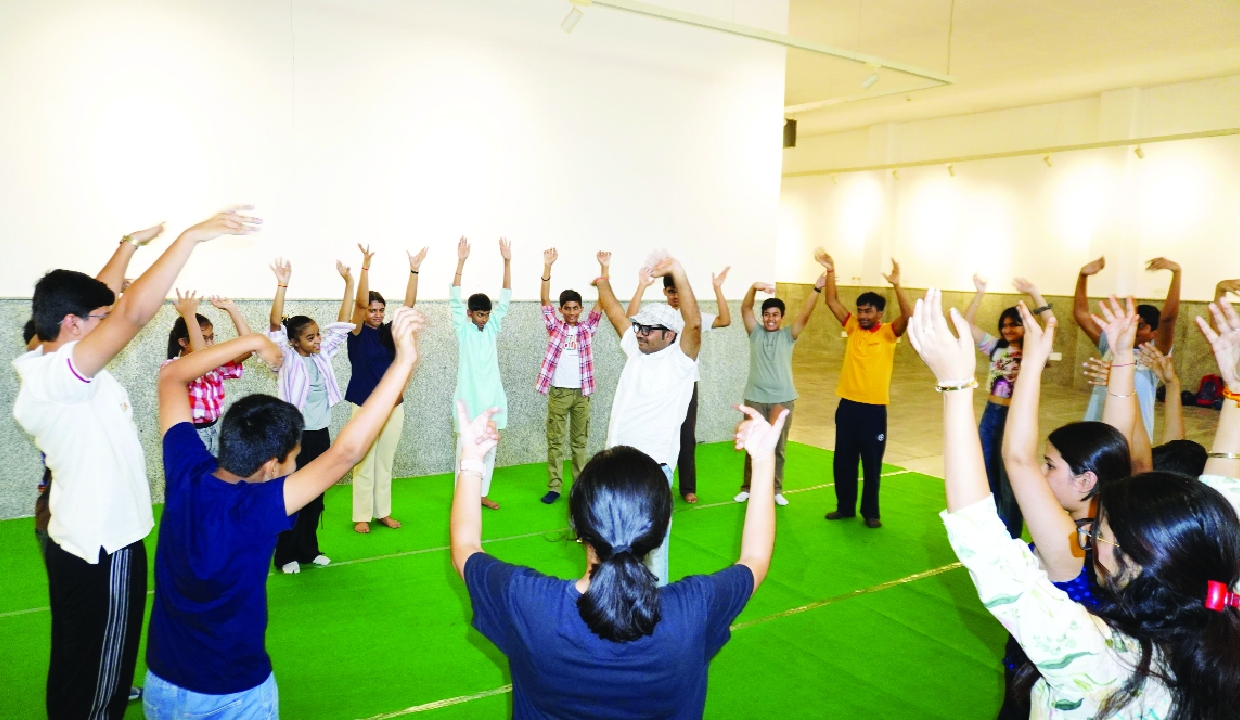
Delhi’s public parks are being pushed beyond morning walks and weekend picnics. In a first such initiative, the Delhi Development Authority has joined hands with the National School of Drama to launch “RangBaag”, a structured theatre training programme for children inside a public park, marking a fresh attempt to turn the capital’s green spaces into centres of learning and cultural activity.
The first batch of the programme began on May 2 at the Maya Art Gallery in Indraprastha Park with 21 children in the 12 to 16 age group enrolling for the six-week workshop. The initiative comes as part of a wider push under the directions of Lieutenant Governor of Delhi Taranjit Singh Sandhu to redesign Delhi’s public parks as more active community spaces rather than passive recreational zones. Officials said the idea is to bring education, creativity and neighbourhood participation into parks that are otherwise used largely for leisure.
Delhi Development Authority, one of the city’s largest custodians of urban green infrastructure, manages major parks, biodiversity areas and city forests across the capital. While these spaces have traditionally focused on environmental use, RangBaag marks the authority’s first institutional partnership aimed specifically at cultural learning through regular public programming.
The collaboration with the National School of Drama gives the programme a formal theatre education structure rather than a casual hobby workshop. Under trained NSD theatre instructors, the participating children will undergo a production-oriented course that includes speech and communication exercises, body movement sessions, storytelling, improvisation and basic stagecraft.
Officials said the classes are designed in an interactive and play-based format so that children gradually build confidence while learning to perform in a group setting. Beyond acting skills, the workshop is expected to help participants develop self-expression, teamwork, empathy and greater awareness of their surroundings.
The organisers believe theatre, when moved out of enclosed auditoriums and classrooms and placed inside an open civic setting, can become a stronger community-building tool.
The six-week course will conclude on June 14 with a final public performance in which the children will present what they have learnt before parents, mentors and invited guests.