A major gap in Delhi’s B&B licensing rules led to tragedy
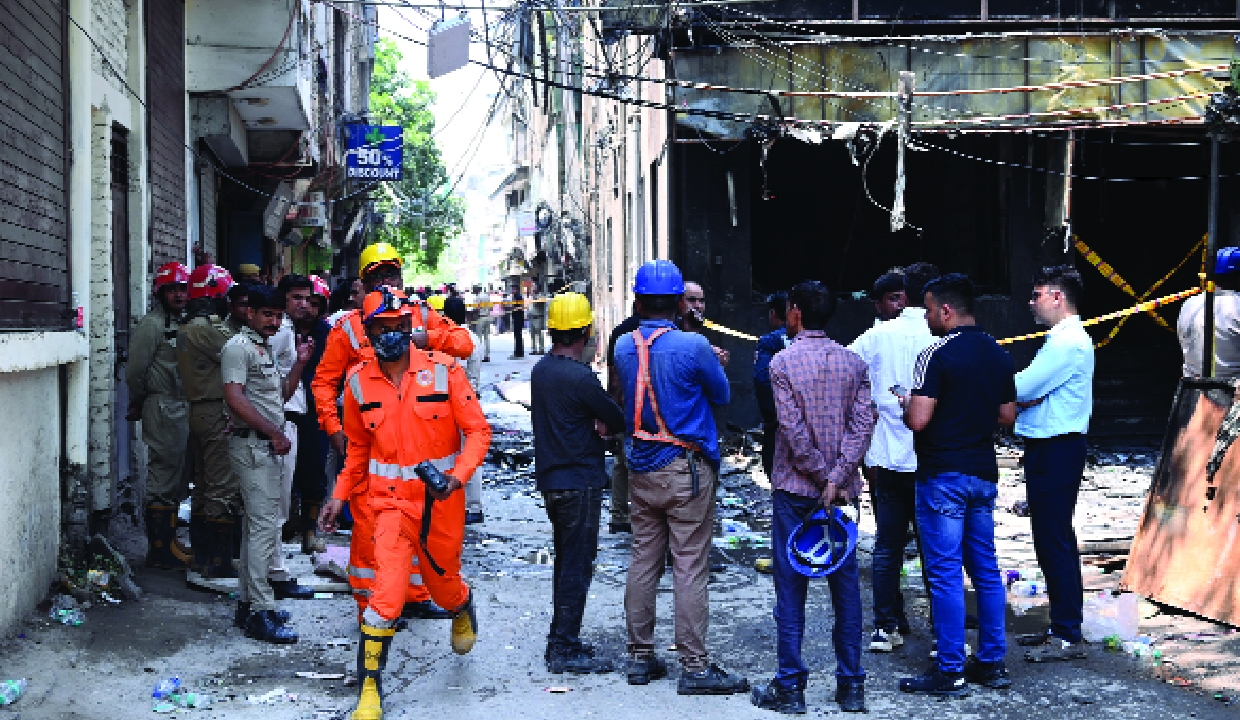
On June 3, 2026, a fire at Flourish Stay B&B in Malviya Nagar killed 21 people. This tragedy happened because serious problems in Delhi’s Bed and Breakfast licensing system were ignored. The property was only allowed six rooms but was running 25, including illegal basement rooms, all with just one way in and out. The fire started in a ground-floor restaurant that had no approval.
Now, both the building’s setup and its fire safety certificate are being closely investigated, showing how badly the system needs to change.
Let’s examine how the system failed and why the new Draft Delhi Bed & Breakfast Policy 2026 might not prevent further tragedies. The Bed and Breakfast Scheme, set up by the 2007 Act and the 2008 Rules, was intended to protect guests in small, owner-run homes and to offer safe, affordable stays. That promise has now been broken.
The main rules set a limit of six rooms or twelve beds. The owner or their family needed to live on the property. Other basic rules included showing food prices up front, keeping guest records, and allowing surprise inspections.
The old B&B scheme had fewer requirements than hotel or guest-house licences. Guest houses needed at least six rooms, good ventilation, wide access roads, and a Fire NOC. B&Bs were treated as homestays and had less strict rules, which created confusion between the two types of places.
Regulatory gaps enabled abuses, notably the ‘License-and-Expand’ practice. Weak rules allowed problems like the ‘License-and-Expand’ practice. Basement rooms were added without approval, safety checks, or updated fire plans. Booking sites showed 24 to 25 rooms at Flourish Stay, but license checks rarely confirmed how many rooms there really were. m-specific smoke detectors, fire-rated doors, or multiple exits have proven deadly. Narrow staircases and locked basements, as at Flourish Stay, can become death traps in seconds. Fire safety rules existed only on paper; poor departmental coordination has directly endangered lives, leaving dangerous gaps in enforcement. These cannot be tolerated any longer.
B&Bs are supposed to run in legal residential buildings, but owners often turn ground floors and basements into rooms or add extra floors without city approval. Inspections rarely occur, penalties are rare, and mixed-use buildings are poorly regulated. These problems happened because different departments were in charge of different things. The MCD oversaw building safety, the Delhi Fire Service issued NOCs, and the police checked guest records. When these groups did not talk to each other, a six-room homestay could become an unlicensed 25-room fire hazard.
The 2026 Draft Policy, now open for public feedback, increases the room limit to eight, introduces Silver and Gold categories, and sets minimum room sizes, attached bathrooms, and ventilation standards.
The new rules require fire extinguishers, first-aid kits, CCTV, daily cleaning, an owner or manager on site, police checks, guest registers, and online reporting. They ban restaurant-style signs, allow self-certification, and promise faster approvals and surprise inspections. Improvements exist, such as clearer safety standards, firmer hygiene rules, and quality controls. Yet, danger now looms larger: allowing more rooms in residential spaces could dangerously amplify violations and risks, especially if enforcement remains weak and if rigorous fire safety is neglected.
The city cannot afford to let denser accommodations set the stage for another deal. If self-certification is not checked, it will lead to false reports and dangerous situations. The policy does not mention mandatory sprinklers or full compliance with the National Building Code’s fire escape rules, which is a serious problem. Basic fire safety features are still missing. Allowing basements and single-exit buildings could perpetuate dangerous conditions. Enforcement needs to be strict and immediate, or the risks will keep growing unchecked.
This tragedy occurred because the system made registration easy but failed to prioritise safety. Now, Delhi must face the consequences. Fire audits are happening, and an FIR has been filed in Malviya Nagar for culpable homicide.