Pollution has a solution — if we have the vision
William Wordsworth, the poet who believed nature to be humanity's greatest teacher, once wrote that a single impulse from the natural world could reveal more about moral good and evil than all the wisdom of sages. His lament that "the world is too much with us" feels prophetic today. Despite unprecedented material progress, humanity remains restless and dissatisfied, increasingly alienated from nature. Nowhere is this rupture more visible than in the accelerating crisis of environmental degradation.
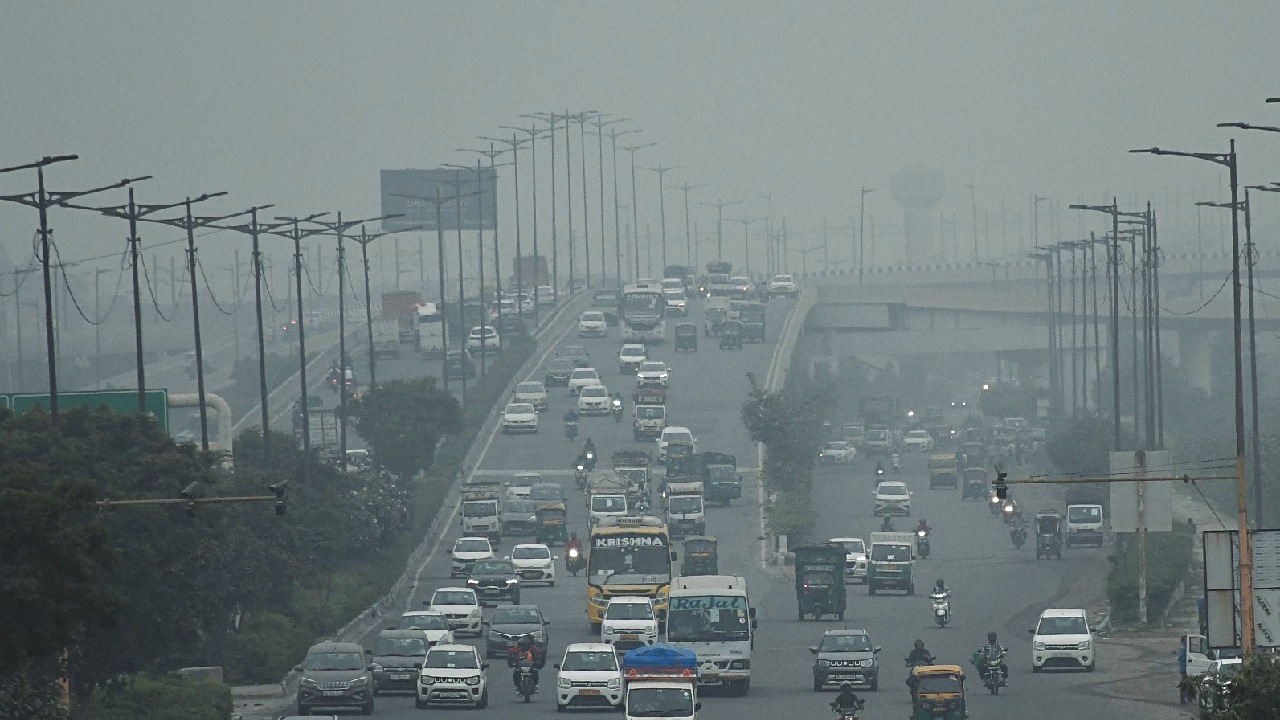
Across the globe, pollution has triggered alarming climatic changes — rising sea levels, floods and droughts, declining crop yields, the spread of tropical diseases, energy insecurity, and the steady extinction of wildlife, both terrestrial and marine. In India, this global malaise finds its most dramatic expression every winter in Delhi-NCR, when the capital turns into a virtual gas chamber. Come November, air quality indices routinely spiral into the "severe" category, threatening public health and paralysing daily life.
Over the years, numerous attempts have been made to confront this spectre of pollution. Yet most have failed because they were guided by misconceptions rather than vision. The core causal factors have not been properly diagnosed and, consequently, the remedies prescribed have been ineffective. Multiple agencies - government departments, NGOs, regulatory bodies, and even judicial institutions - remain active, yet pollution continues to worsen with each passing year.
Recent media reports suggest that the Delhi government plans to revive real-time assessments to identify specific pollution sources and design targeted interventions. While this appears promising, the fundamental causes still remain largely unaddressed.
Population growth, unchecked urbanisation, congestion, corruption, encroachment, and an aggressive culture of unsatiated materialism - fuelled by relentless advertising and celebrity endorsements - continue to drive excessive consumption and industrial production, leaving behind mountains of waste and toxic emissions. Instead of confronting these systemic issues, policy vision has remained narrowly fixated on banning 15-year-old petrol vehicles and 10-year-old diesel vehicles. This approach, first imposed by the National Green Tribunal (NGT) in 2016, was based on assumptions rather than rigorous scientific evidence. Nearly a decade later, it is evident that the ban has delivered no tangible improvement in air quality. On the contrary, pollution levels have only multiplied.
Significantly, even during the original hearings, the Ministry of Road Transport and Highways had pointed out - based on studies by IIT and the Central Pollution Control Board - that diesel vehicles were not major contributors to pollution and that the contribution of older vehicles was minuscule. Yet, in August 2025, the Commission for Air Quality Management (CAQM), responding to an RTI query, admitted that it had conducted no independent study to assess pollution caused by overage vehicles. The ban, it conceded, was rooted solely in earlier judicial orders.
In a puzzling turn, the same Commission later flagged vehicular emissions as a major contributor to Delhi's poor air quality and constituted a 15-member expert committee, chaired by Professor Ashok Jhunjhunwala of IIT-Madras, to assess segment-wise vehicular pollution. Even before this committee could commence its study, the CAQM urged the Supreme Court to allow coercive action against vehicle owners. Acting on this plea, the Court permitted enforcement against vehicles not meeting Bharat Stage IV standards — despite the absence of fresh scientific findings.
Banning vehicles purely on the basis of age is neither rational nor effective. What truly matters is vehicular fitness, maintenance, and emissions performance — not the year of manufacture. A decade of experience has shown that age-based bans are a cosmetic solution, offering symbolism without substance. If vehicular pollution is to be meaningfully addressed, the focus must shift to limiting excessive ownership.
Multiple-car households often treat vehicles as status symbols rather than necessities. Recognising this, a Supreme Court monitoring committee in January 2025 recommended limiting vehicle registration to one car per family or linking new vehicle purchases to the availability of dedicated parking space. Similar proposals, including imposing green taxes on families owning multiple vehicles, have been floated for over a decade but remain unimplemented.
The scale of vehicular growth is staggering. In 2023 alone, Delhi registered 6.5 lakh new vehicles — an average of 1,800 every day. Between January and November 2024, another 6.42 lakh vehicles were added. Roads, already choked, have been transformed into informal parking lots, eroding public space and worsening congestion.
Beyond air pollution, plastic waste represents another grave environmental threat. Single-use plastics — particularly carry bags, sachets, and small water bottles — clog drains, contaminate water bodies, overload landfills, and kill animals that ingest them. Despite repeated bans by the NGT and comprehensive notifications by the Ministry of Environment, Forest and Climate Change in August 2025, enforcement remains virtually non-existent. Banned items - from plastic bags and cutlery to 250 ml water bottles - are openly sold and used, even at official government events and court premises.
This persistent failure raises uncomfortable questions. Why are factories manufacturing banned items still operational? Why are traders and wholesalers not prosecuted? Are enforcement agencies complicit, or has the plastic lobby grown too powerful to challenge?
Ironically, while official machinery falters, the country's poorest citizens - waste pickers — continue to perform a silent service by collecting and segregating recyclable waste. Estimated to number between 2.5 and 4 million, they form the first line of defence against plastic pollution, yet receive little recognition, protection, or support. Their work must be formally regulated and integrated into waste-management systems.
At the heart of India's pollution crisis lie deeper structural issues. Rapid population growth places unbearable pressure on limited land and resources. Unchecked urbanisation draws millions into already saturated cities like Delhi, triggering illegal construction and infrastructure overload. Corruption undermines every well-intentioned directive, rendering laws toothless. Aggressive advertising manufactures artificial demand, driving overproduction and excessive consumption. Congestion, encroachment, and unregulated commercial activity keep engines idling and emissions rising.
Pollution, therefore, cannot be fought through fragmented, knee-jerk measures. It demands a holistic approach rooted in scientific inquiry, administrative will, and societal introspection. Without vision — clear, courageous, and comprehensive — India will continue to treat symptoms while the disease spreads unchecked.
The choice is stark. Either we reimagine development in harmony with nature, or we resign ourselves to living in gas chambers, drowning in plastic, and paying for neglect with our health and future. Pollution does have a solution — but only if we have the vision to see it through.
The writer is a legal journalist who writes on the legal aspects of various issues, including environmental, social, and economic matters; views are personal