PM praises India’s proactive energy strategy
India expanded its energy imports significantly during West Asia crisis
Prime Minister Narendra Modi on Saturday said that India successfully navigated one of the biggest global energy crises through proactive policies, diversified fuel sourcing, and strong diplomatic ties, with minimal burden on citizens. “When the crisis began, India was importing energy from about 25-26 countries. During the crisis, we increased this to more than 40 countries,” the PM said, addressing a gathering in Pachpadra of Balotra district of Rajasthan.
Modi, who is on a two-day visit to Rajasthan and Gujarat, also laid the foundation stone of multiple development projects worth Rs 1.06 lakh crore and inaugurated the refurbished Jodhpur Airport and a CG Semi’s Outsourced Semiconductor Assembly and Test (OSAT) facility in Sanand, Gujarat.
Modi said India expanded its energy imports significantly during the West Asia crisis. He said oil companies incurred losses of over Rs 75,000 crore between April and June due to rising global prices, but the Government absorbed the burden. “We reduced excise duty by Rs 10 per litre and ensured that the burden on citizens did not increase significantly,” he said.
Some forces were busy spreading fear in public, and political games were played, but “they must be wallowing in the depths of despair today”, Modi said. “Rumours were spread, and people were incited, but those with malicious intentions did not succeed. Those who wished to see India fail had even begun making predictions. Today, they must be wallowing in the depths of despair,” he said.
The prime minister said the country has become the world’s fourth-largest in refining capacity and continues to expand. He also credited his government’s long-term policies with overcoming global disruptions in fuel and fertiliser supply caused by the war between Iran and the US-Israel combine.
PM also spoke about how LPG production was maximised, PNG connections increased, and energy imports were sourced from more than 40 countries to shield its citizens from the worst impact of the crisis.
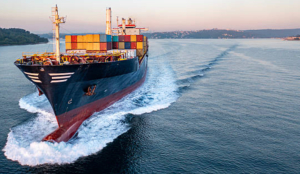
He mentioned nearly 70 per cent of India’s LPG requirement was met through imports, and about 90 per cent of those supplies came from Gulf countries through the Strait of Hormuz.
“The United States has not built a new refinery in the last 50 years. Europe’s refining capacity has continuously declined. India has now become the world’s fourth-largest country in refining capacity, and this capacity will continue to grow,” he said.
The conflict had nearly halted those supplies. He said the Government immediately decided to maximise domestic refining capacity for LPG production. The Government simultaneously ensured that PNG connections expanded rapidly so that domestic demand for LPG remained under control, Modi said. Domestic consumers were also protected from the burden of rising prices. Experts believed a domestic LPG cylinder could cost Rs 2,000. Today it is available at around Rs 950,” he said.
Talking about the refinery project, Modi accused the Congress government in Rajasthan between 2018 and 2023 and because of the government’s lack of cooperation, work on the project almost came to a standstill. He also accused the Congress of neglecting the interests of Rajasthan and not resolving the water crisis. He noted that Rajasthan and Haryana have signed an agreement to provide Yamuna water to Rajasthan’s Shekhawati region.
Later, Modi arrived in Jodhpur and was received at the airport by Governor Haribhau Bagade, Union Minister and Jodhpur MP Gajendra Singh Shekhawat, and Chief Minister Bhajanlal Sharma. He also launched the Modified UDAN Scheme. With an allocation of Rs 28,840 crore over the next 10 years, the scheme aims to accelerate the next phase of aviation-led development. Union Minister for Electronics and IT, Railways and Information Broadcasting, Ashwini Vaishnaw, was present at the Sanad facility launch.
Speaking after the inauguration in Sanad in Gujarat, Modi said the semiconductor India programme is gathering rapid momentum step by step, brick by brick and chip by chip. “Expansion of the semiconductor industry in India next step of the electronics revolution that took place during the last decade,” Modi said in Gujarat. On the occasion, he also mentioned that India has become the second-largest mobile phone manufacturer and exporter in the world.
When the crisis began, India was importing energy from about 25-26 countries. During the crisis, we increased this to more than 40 countries - Narendra Modi, Prime Minister