Peace on paper, War in motion
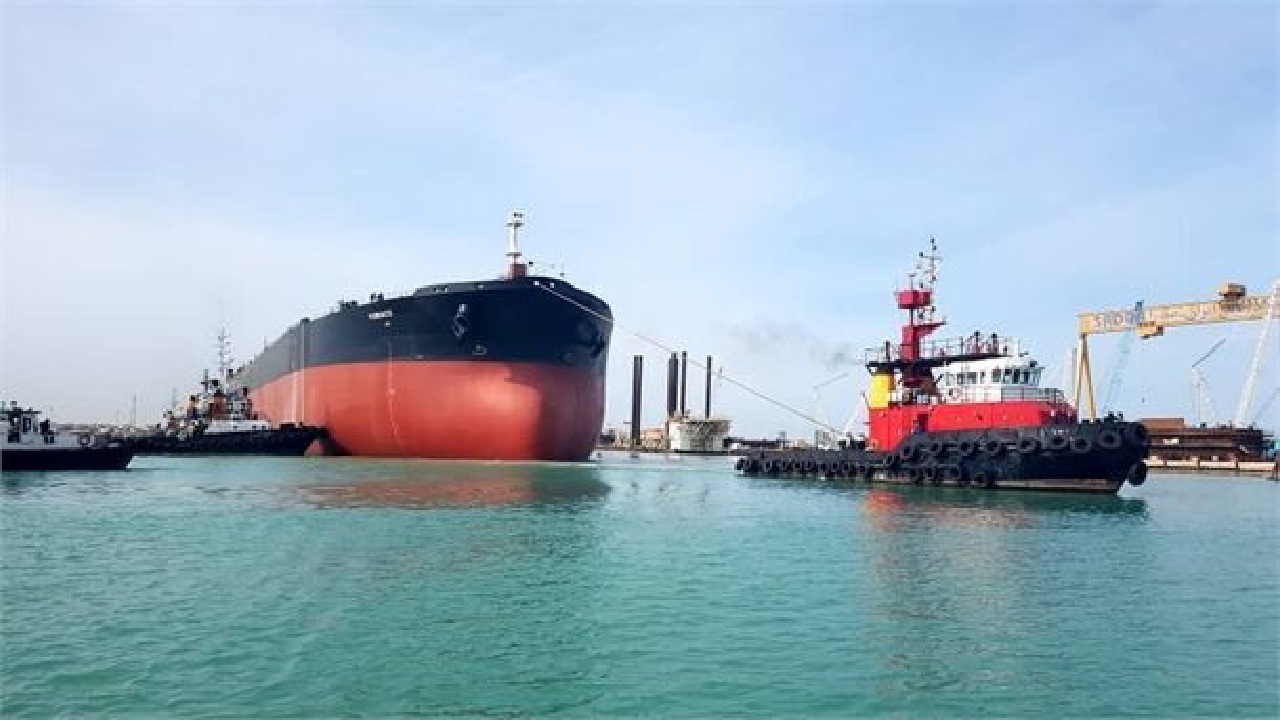
The war in West Asia has now been raging for more than three weeks, yet no side is willing to budge from its position. What was supposed to last a few days has stretched for almost a month, and Iran has defied all logic in retaliating against the joint US-Israel attack. With Iran mastering asymmetric warfare with drones and draining the resources of the US, combined with bleeding the oil market through its siege of the Strait of Hormuz, Washington is quietly contemplating a respectable retreat. Even Iran is in bad shape, with a large part of its war machinery destroyed, its top leaders killed, and high casualties among its citizens. Yet the war rages on. Wars have their queer logic; after a point they are fought just for the sake of fighting, as both sides believe they cannot retreat ignominiously and look defeated. But logistics do not run on emotions.
The US is spending a billion dollars a day and has suffered losses in terms of its reputation and war paraphernalia. This is perhaps the reason the US proposed a 15-point peace plan that has been rejected by Tehran, which has offered its own counter peace plan. The American plan-reportedly offering sanctions relief, nuclear cooperation, and de-escalation frameworks-reflects a classic carrot-and-stick approach. It seeks to cap Iran’s nuclear ambitions, ensure maritime stability in the Strait of Hormuz, and restore a semblance of regional order. Iran’s response, however, is not merely a rejection; it is a reframing of the conflict. Its five demands — ranging from guaranteed war reparations to international recognition of sovereignty over the Strait of Hormuz — signal that Tehran sees itself not as a party to be restrained, but as one to be compensated and legitimised. Iran is now seeking reparations for the losses incurred, and that itself shows that Iran is not negotiating from a weak position but knows that its strikes in Israel have created panic. With Israel’s Iron Dome weakened and its interceptors rendered ineffective against the Fattah-2 ballistic missiles, both Iran and Israel stand on the same ground; both are vulnerable to air attacks, whether ballistic missiles or fighter jets. This is where Iran’s confidence comes from. Iran also knows that a choked Strait of Hormuz will bleed the world economy, and there is immense pressure on the US to end the war or at least ensure oil flows freely through the strait. The proposals must be seen in this context. The US proposal is rooted in containment; Iran’s counter is rooted in recognition. Washington wants behavioural change; Tehran wants strategic acknowledgement. For Iran, the Strait of Hormuz is a lever that promises sovereignty and deterrence. Tehran’s insistence on formal recognition of control over the strait is unlikely to be accepted internationally, making this a near-insurmountable sticking point in negotiations. No major power willingly sets a precedent of paying for military action it deems justified. This alone makes Iran’s proposal less a negotiating document and more a declaration of position. Yet reports of backchannel diplomacy via Pakistan and the possibility of talks in Turkey suggest that neither side is entirely closed to dialogue. Meanwhile, the war rages on, deepening human suffering and compounding damage to the environment, the economy and peace.