Oil Shock 2.0: A global energy crisis unfolds
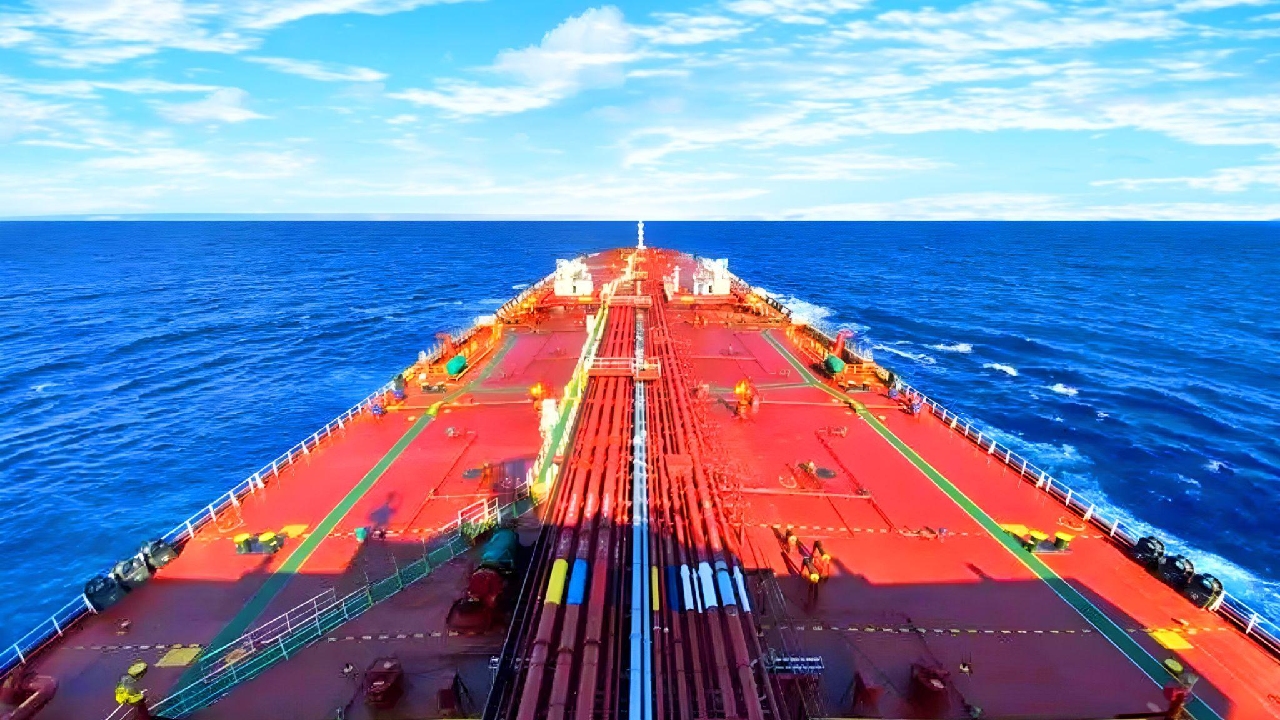
With the US and Iran showing resolve to fight a long war, with no side willing to sit at the negotiation table, the chances of a prolonged conflict are high, and so are the chances of an oil crisis 2.0 in the offing. As the war has entered its third week, crude prices have already breached the psychological barrier of USD 100 per barrel. And it is getting worse; with the Strait of Hormuz closed for all practical purposes, and 1,000 oil ships stranded, an oil crisis is inevitable. The world is inching towards an unprecedented oil crisis. To add to it has started attacking oil facilities. Iran’s strikes on energy infrastructure in Qatar and Saudi Arabia, along with its choking of the Strait of Hormuz, have pushed global oil markets into a state of acute anxiety. Oil prices are likely to cross USD 120 per barrel in weeks, if not days. What we are witnessing right now is an early stage of a full-blown energy crisis. Any prolonged closure or restriction of the Strait of Hormuz does not merely restrict oil supply - it throws the pricing of oil haywire.
Iran’s strikes hit Qatar’s Ras Laffan LNG hub — the world’s largest — clearly showing Iran’s intention to fight a strategic economic war, as it knows it cannot match the US-Israel militarily. This is what oil markets are anxious about and reacting to, pricing not just current disruptions but also the fear of prolonged outages and damaged infrastructure that could take months to restore.
A spiraling price surge will inevitably translate into higher inflation, disrupted logistics, and slower economic growth across continents, but developing countries would be hit the hardest. Europe, already vulnerable on the gas front, faces intensified competition for LNG cargoes. The question naturally arises: why was this not anticipated? Donald Trump, whose foreign policy approach towards Iran was defined more by arrogance and unilateral actions rather than sorting out issues amicably at the negotiation table. He misread Iran’s might, and now the world is paying the price.
For India, the crisis is particularly alarming. The country imports nearly 85 per cent of its crude oil, mostly sourced from the West Asia. A sharp and sustained increase in oil prices will widen the current account deficit, weaken the rupee, and fuel domestic inflation. Higher oil prices would reflect in increased prices of eatables and a squeeze on taxpayers, as the government’s fiscal calculations, especially around fuel subsidies, would be under considerable strain. But this crisis is also a wake-up call. There is an urgent need to fast-track investments in renewable energy, green hydrogen, and electric mobility to structurally reduce oil dependence over time. On the diplomatic front, India can play a role as a stabilising voice, leveraging its relationships across the Gulf, Iran, and Western powers. Whether this crisis becomes a temporary spike or a prolonged price escalator will depend on when, how and on what terms the war ends. Until then, the world must brace for a bumpy and expensive road ahead.