No SC benefits after conversion, rules Supreme Court
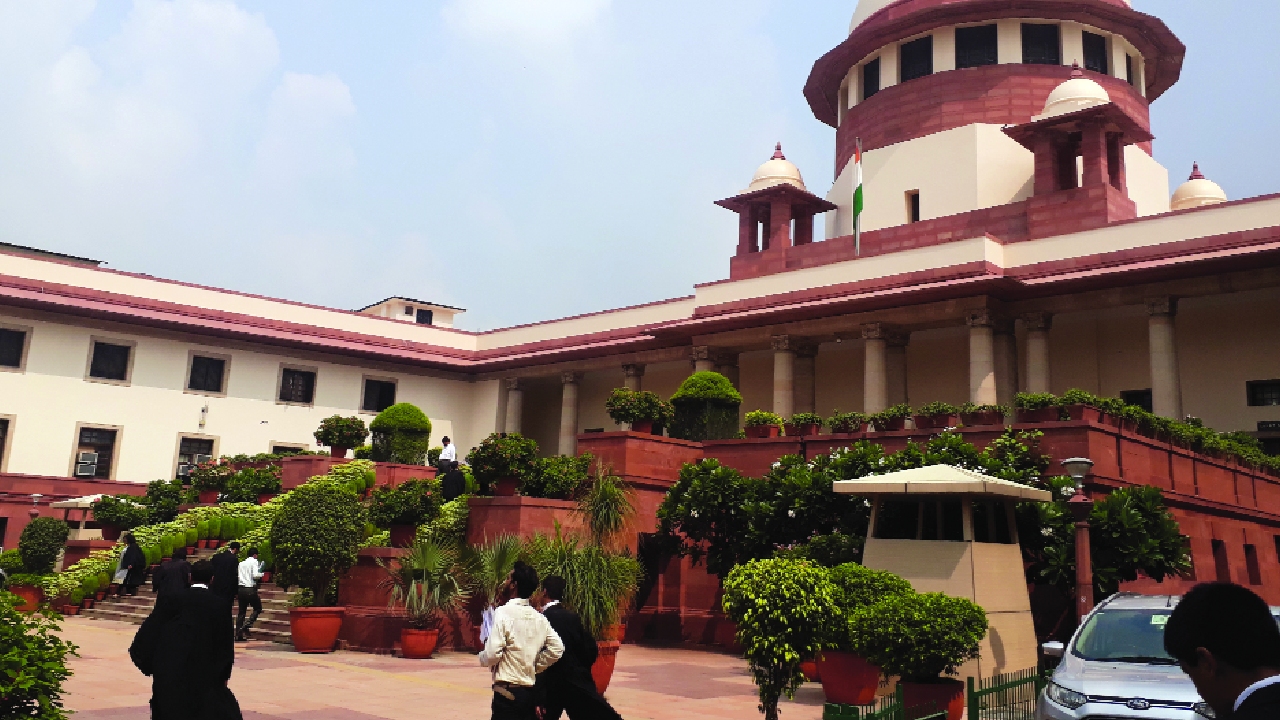
The Supreme Court on Tuesday held that a person professing any religion other than Hinduism, Sikhism or Buddhism cannot be recognised as a member of a Scheduled Caste, ruling that such status is lost upon conversion.
A bench of Justices Prashant Kumar Mishra and N.V. Anjaria upheld an Andhra Pradesh High Court order, stating that the bar is “absolute” and admits no exception. “No statutory benefit, protection or reservation… can be claimed” by a person who ceases to fall within the Scheduled Caste category, the court said.
The bench relied on the Constitution (Scheduled Caste) Order, 1950, which limits SC status to specific religions. It said conversion to any other faith results in the immediate and complete loss of that status, regardless of birth.
The Andhra Pradesh High Court, in its April 30, 2025 ruling, had similarly held that a person who converts to Christianity and actively practices the faith cannot be regarded as a Scheduled Caste member. It also noted that the caste system is alien to Christianity and barred such individuals from invoking protections under the SC/ST (Prevention of Atrocities) Act.
The high court had quashed charges filed by a complainant who had converted to Christianity but invoked the Act in a criminal case.
Challenging the decision, the complainant, a pastor, moved the Supreme Court.
Dismissing his plea, the apex court noted there was no claim of reconversion or re-acceptance into his original Madiga community. On the contrary, evidence showed he had been practising Christianity for over a decade and was conducting regular prayer meetings in his village.
The court said these facts left “no room for doubt” that he remained a Christian at the time of the alleged incident.
The case stemmed from a 2021 complaint filed by the pastor, Chinthada Anand, against Akkala Rami Reddy in Andhra Pradesh. He had alleged assault, death threats and caste-based abuse while conducting Sunday prayers, invoking provisions of the Indian Penal Code and the SC/ST Act.