Nepal infuses fresh blood in the system
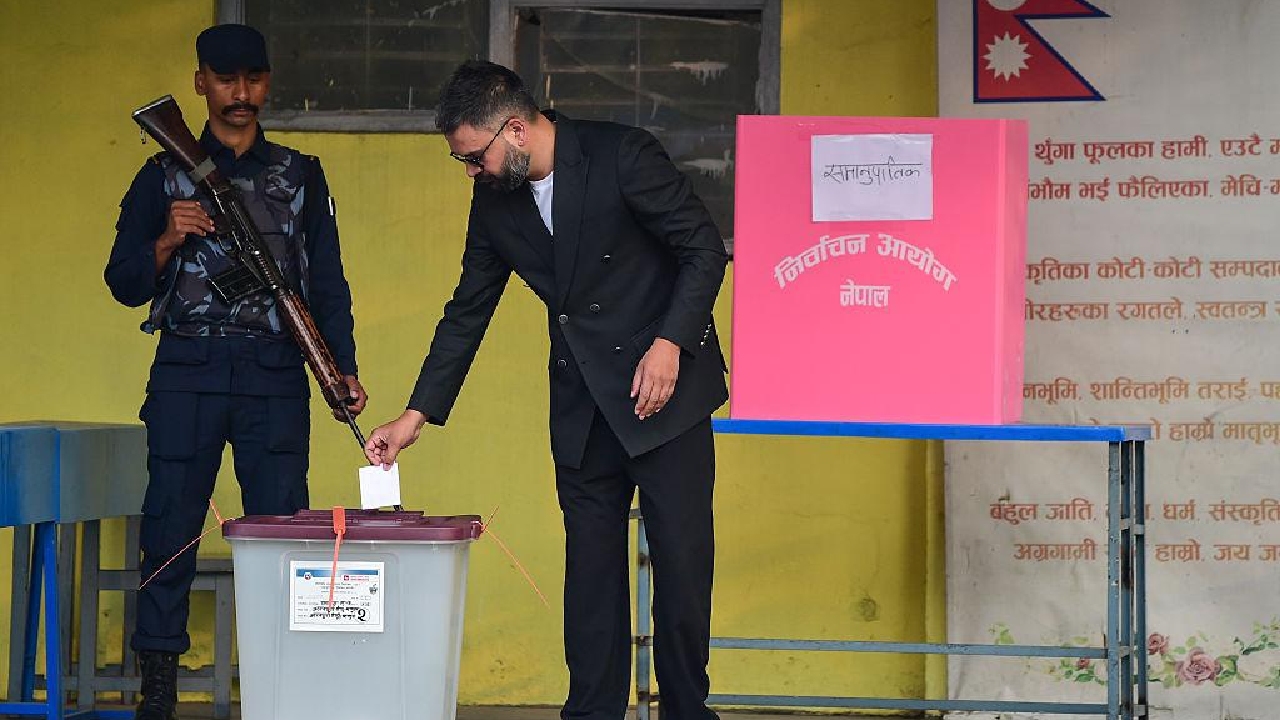
Nepal’s latest elections on March 5, following last year’s Gen Z Andolan, were revolutionary, resulting in seismic political change - a greenhorn party sweeping aside the traditional old guard. “OMG” prefaced the announcement of the Rashtriya Swatantra Party (RSP) lead by TV anchors during vote counting the next day. Nepal has seen several upheavals, the latest led by the RSP, which is determined to transform the country by eliminating corruption and catalysing development.
The turning point came when former rapper and 35-year-old former Mayor of Kathmandu, Balen Shah, a Madhesi by birth and Pahari by culture, joined the charismatic former TV host and president of the RSP, Rabi Lamichhane. There is a third, lesser-known “transformer”: Gen Z’s Sudan Gurung, who brought Shah and Lamichhane together and later joined the RSP. This combination was complemented by the party’s magnetic election symbol, ghanti (bell), which rang in an unprecedented craze and wave (lehar) that swept away the old parties — Nepali Congress (NC), Communist Party of Nepal-Unified Marxist Leninist (CPN-UML) and the Communist Party of Nepal (Maoist Centre). During two other recent regime changes in the neighbourhood, the old order was only partially altered in Bangladesh by barring an entrenched political party from elections. In Sri Lanka, however, a former revolutionary group responsible for two insurrections was voted to power with a two-thirds majority, wiping out the old guard.
The RSP is two seats shy of a two-thirds majority, with 182 seats (63 women) in the 275-member Parliament. Conspicuously, it does not have a single member in the 59-seat Upper House and has no presence in any of the seven provinces. The NC is reduced to 38 seats, the UML — the biggest loser — to just 25, and the former Maoists to 17 seats. This represents an abysmal decline, reducing them to less than half their strength in the previous House. The Left parties together had 110 seats earlier, compared with just 42 now. Notably, 42 defectors contesting on RSP tickets defeated seasoned politicians, while 40 per cent of lawmakers are below the age of 35. The RSP’s extraordinary majority has wiped out Madhesi parties and reduced Royalists to five seats from 14. People voted for the Ghanti, not individual candidates, demolishing the political standing of two former Prime Ministers - KP Sharma Oli and Madhav Nepal. A third former PM, Prachanda, the consummate survivor, chose the safest constituency, Rukum, from where he had launched the civil war. Shah’s local police guard even trounced technocrat Kulman Ghising, popularly known as the “Bulb Man” and credited with ending Kathmandu’s power cuts — such was the fervour among voters. After three decades of coalition governments, a single-party government will now be formed.
Here lies the tricky part. The RSP has had only one leader hold cabinet rank - Rabi Lamichhane as Home Minister, though he has been shadowed by cases of cooperative fraud, organised crime and money laundering and is currently out on bail. Lamichhane remains the party chair, while Shah is expected to lead the parliamentary party and become Prime Minister. A seven-point gentleman’s agreement between Lamichhane and Shah is said to outline power-sharing arrangements. This recalls a similar pact between Oli and Prachanda in 2017, which Oli never honoured, eventually leading to the collapse of the Nepal Communist Party.
In his first campaign speech at Janakpur, Shah declared: “A son of Madhes will be the next Prime Minister of Nepal.” Following last year’s Gen Z protests and Oli’s resignation, the search for an interim Prime Minister was reportedly being led by Sudan Gurung, when Shah’s name also surfaced. At the time, however, Shah remarked: “The Army should appoint one.” Besides the RSP’s lack of experience in government, Parliament may suffer from a weak opposition and the absence of seasoned leaders. Weak institutions, a bureaucracy in need of reform and limited resources could hinder the ambitious pledges outlined in the party’s election manifesto and the “100 Goals” document.
Fitch Ratings noted this week that the RSP’s clear parliamentary majority reduces political uncertainty, potentially improving predictability in the implementation of economic reforms and governance — something largely absent during previous fragile coalition governments. However, the RSP’s targets are highly ambitious: 7 per cent GDP growth from the current forecast of 4.5 per cent for 2026, doubling the economy to USD 100 billion, generating 30,000 MW of electricity, raising exports to USD 30 billion from the current USD 1.5 billion, and creating 500,000 jobs over the next decade. These goals appear unrealistic.
The writer, presently in Nepal, is a retired Major General, who served as Commander, IPKF (South), Sri Lanka; views are personal