Madhya Pradesh launches smart toilets initiative
At a time when Government data shows thousands of Madhya Pradesh’s schools still lack functional toilets, and nearly 7,000 do not have girls’ toilets at all, the State School Education Department has launched a new initiative to construct western-style, sensor-operated toilets in Government schools, beginning with institutions that have a high number of students with disabilities.
According to the departmental sources, the move is aimed at improving inclusivity and accessibility in public education. The toilets will come equipped with automatic sensors, reducing the need for physical effort such as manual flushing — a feature officials say will particularly benefit differently-abled students and minimise hygiene-related risks. Separate western toilets will be constructed for boys and girls, along with ramps for accessible entry.
In the first phase, 30 schools in Bhopal district, 20 in Phanda block and 10 in Berasia block, have been identified under the National Secondary Education Fund. Construction work in these selected schools has already begun. Officials claim the toilets will be ready before the next academic session. Each toilet is estimated to cost Rs 2.78 lakh for differently-abled students and Rs 2.94 lakh for girls, with provisions for handrails, sensor taps and safe flooring. The plan also includes sanitary napkin vending machines to ensure uninterrupted schooling for girls during menstruation. Last year, six such toilets were built at the same cost, serving as pilot units for the current rollout.
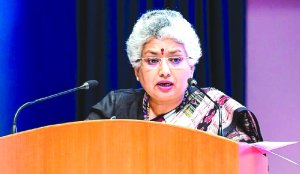
Public Instructions Department Commissioner Shilpa Gupta said the initiative aligns with state policy directives aimed at enhancing accessibility in Government schools. “Western toilets, ramps and other support facilities are being prioritised to ensure that children with special needs can access school infrastructure safely and comfortably,” she said.
However, the decision comes against the backdrop of a wider infrastructure crisis in the state’s school system. A recent assessment found that 3,185 girls’ toilets are locked or unusable, 6,995 schools have no girls’ toilet, more than 13,000 schools lack electricity, and 75,000 schools require repairs, raising questions about whether new facilities are being added even as basic amenities remain neglected. Education experts warn that the lack of functional toilets already affects attendance and learning outcomes, particularly for adolescent girls.
While the new western toilets are being welcomed for their focus on inclusivity, stakeholders say the Government must simultaneously prioritise repairing existing sanitation infrastructure to ensure that all students — not just those in selected schools — benefit from safe and functional facilities. The department maintains that further phases will expand the initiative to more districts once the Bhopal pilot is completed.
The toilets will come equipped with automatic sensors, reducing the need for physical effort such as manual flushing