New Zealand to invest $20 billion in India under FTA
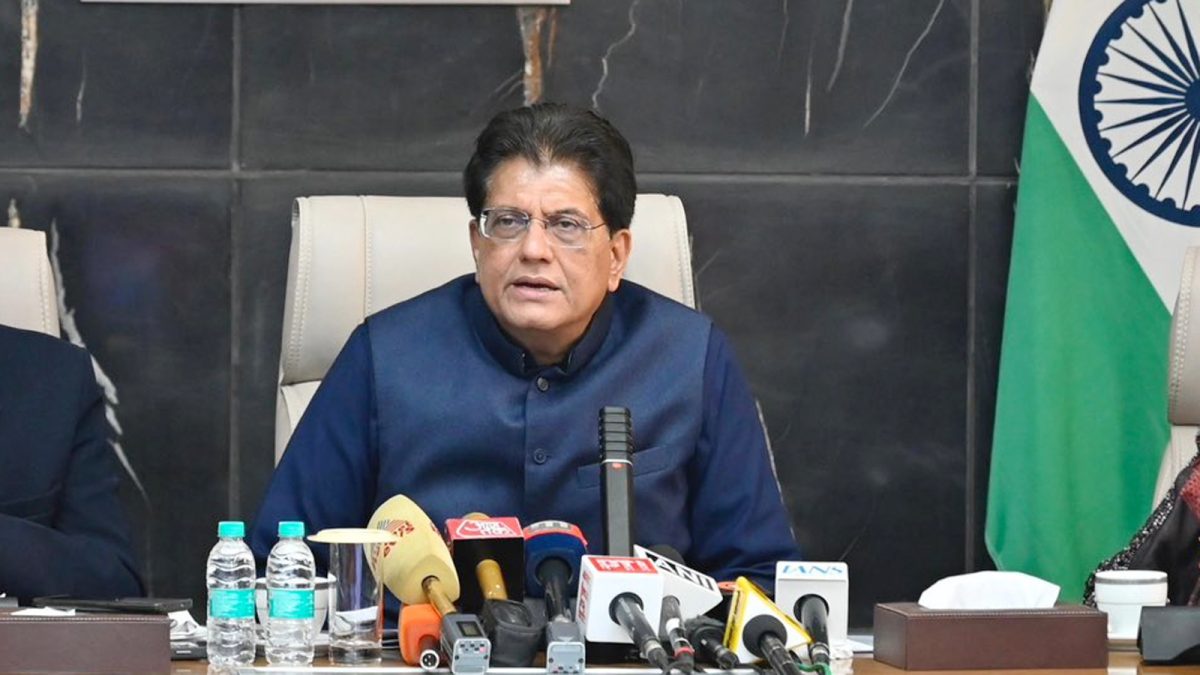
India and New Zealand on Monday said they have concluded talks on a Free Trade Deal (FTA) that will give India tariff-free access to the island nation’s markets, bring in $ 20 billion of investment over the next 15 years and help double bilateral trade in the next five years.
This is the seventh agreement finalised by the Modi-led NDA Government. It includes the UAE, Australia, the UK, EFTA bloc, Oman and Mauritius. Commerce Minister Piyush Goyal said that India has so far finalised FTAs with three members of the Five Eyes (FVEY) alliance — Australia, the UK and New Zealand. The five intelligence-sharing network countries are Australia, Canada, New Zealand, the UK, and the US. India is in the advanced stage of negotiations for a bilateral trade agreement with the US and in the process of resuming talks for a trade agreement with Canada.
The third free-trade agreement this year, following a similar pact with the UK in July and another with Oman earlier this month, will give India more temporary employment visas, easier access for pharmaceuticals and medical devices. While the agreement will eliminate or reduce tariffs on 95 per cent of New Zealand’s exports of items ranging from wool, coal, wood, wine, to avocados and blueberries to India, New Delhi made no concessions on allowing imports of dairy, onions, sugar, spices, edible oils and rubber to protect farmers and the domestic industry.
New Zealand, which committed to investing $ 20 billion in India over the next 15 years in manufacturing, infrastructure, services, innovation and job creation, will also get quota-based tariff cuts for kiwifruit and apple exports. The deal is expected to be signed in the first half of 2026 and aims to double bilateral trade to $ 5 billion in five years.
Prime Minister Narendra Modi held a telephone conversation with his New Zealand counterpart Christopher Luxon before the two leaders jointly announced the successful conclusion of the “historic, ambitious and mutually beneficial India-New Zealand Free Trade Agreement (FTA),” according to an official statement.
“The FTA would significantly deepen bilateral economic engagement, enhance market access, promote investment flows, strengthen strategic cooperation between the two countries, and also open up new opportunities for innovators, entrepreneurs, farmers, MSMEs, students and youths of both countries across various sectors,” the MEA said.
The agreement is likely to be signed and implemented in about 7-8 months. The pact would help Indian exporters, reeling under the impact of 50 per cent tariffs imposed by the Trump administration on Indian goods, diversify shipments in the Oceania region. India has already implemented a trade pact with Australia.
“The gains are wide-ranging and significant,” said New Zealand Prime Minister Christopher Luxon in a statement. “India is the world’s most populous country and is the fastest-growing big economy, and that creates opportunities for jobs for Kiwis, exports and growth.”
Under the pact, New Zealand will get duty-free access to goods such as sheep meat, wool, and coal and over 95 per cent of forestry and wood articles. Under the pact, Wellington will get duty concessions on a number of other items such as kiwi fruit, wine, some seafood, cherries, avocados, persimmons, bulk infant formula, Manuka honey and milk albumins.
To protect the interests of domestic farmers and MSMEs, India will not give any duty concessions in the politically sensitive dairy sector, like milk, cream, whey, yoghurt, and cheese.
The other products which will not be covered under the pact include vegetable products (onions, chana, peas, corn, almonds), sugar, artificial honey, animal, vegetable or microbial fats and oils, arms and ammunition, gems and jewellery, copper and its products, and aluminium and articles.
As regards the services sector, New Zealand will give a temporary employment entry visa pathway for Indian professionals in skilled occupations with a quota of 5,000 visas annually and a stay of up to three years.
This pathway covers Indian professions such as AYUSH practitioners, yoga instructors, Indian chefs, and music teachers, as well as high-demand sectors including IT, engineering, healthcare, education, and construction, strengthening workforce mobility and services trade.
With negotiations initiated during Luxon’s visit to India in March 2025, the two leaders agreed that the conclusion of the FTA in a record 9 months reflects their shared ambition and political will to further deepen ties between the countries.
Commitment has been extended by New Zealand on Geographical Indications (GIs), including the amendment of its law to facilitate the registration of India’s wines and spirits. The Pharma and Medical Devices sector will get a boost through faster regulatory access in New Zealand by enabling acceptance of GMP (Good Manufacturing Practice) and GCP (Good Clinical Practice) inspection reports from comparable regulators, including approvals by the US FDA, EU’s EMA, UK’s MHRA.
Bad deal for New Zealand: Winston Peters
New Delhi: With no duty concessions for New Zealand on dairy, vegetables, sugar, copper, aluminium items, New Zealand Foreign Minister Winston Peters has reacted sharply and said New Zealand is regrettably opposed to the India FTA and said it is neither free nor fair. “Regrettably, this is a bad deal for New Zealand. It gives too much away, especially on immigration, and does not get enough in return for New Zealanders, including on dairy. While New Zealand is completely opening its market to Indian products under this deal, India is not reducing the significant tariff barriers currently facing our major dairy products. This is not a good deal for New Zealand farmers and is impossible to defend to our rural communities.
The India FTA would be New Zealand’s first trade deal to exclude our major dairy products , including milk, cheese and butter,” he said, adding that resentments will be communicated to India’s External Affairs Minister S Jaishankar.