LPG crisis threatens survival of street vendors and restaurants
The cost of India’s most affordable meals is rising sharply, with a nationwide LPG shortage forcing both street vendors and restaurants to increase prices, squeezing daily consumers and threatening small food businesses.
A survey conducted across 309 districts shows that more than half of consumers have seen food prices rise in just one week, pointing to a fast-spreading impact on urban food affordability. The findings reveal that 57 per cent of consumers who ate at restaurants or ordered food recently reported a noticeable increase in prices. In many cases, the hikes were steep, with one in five consumers saying prices had risen by more than 25 per cent.
Street food, often the cheapest option for millions, has not been spared. The survey found that 54 per cent of consumers noticed price increases at street vendors, mostly in the range of 10 to 25 per cent. The sharp rise is being driven by a shortage of commercial LPG cylinders, a critical fuel for cooking in both small stalls and large kitchens. Vendors and restaurant owners say they are being forced to buy cylinders at inflated rates, sometimes as high as Rs 400 per kilogram, or source them through unofficial channels.
To cope with rising costs, many eateries have started passing the burden directly to customers. Some restaurants have added a temporary “LPG surcharge” of Rs 15 or more per bill, while others have quietly raised menu prices.
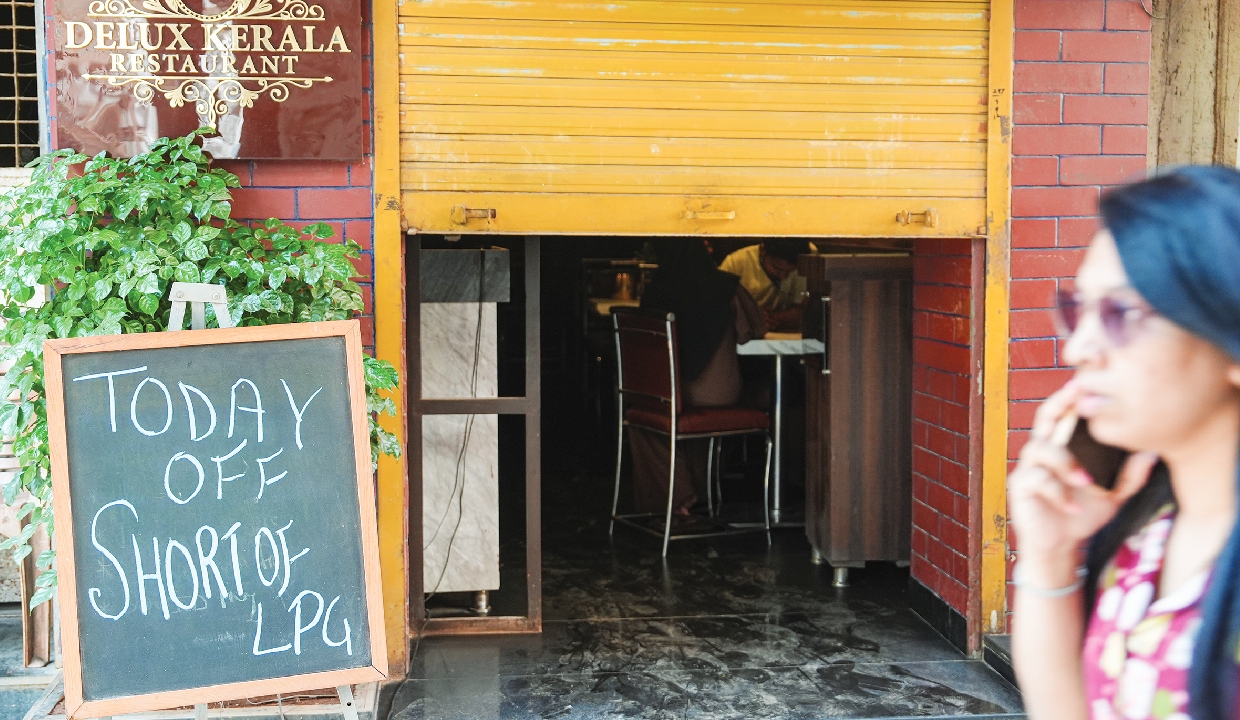
The impact is visible across cities. Small vendors and roadside stalls, which depend on frequent LPG refills, are among the worst hit. Some have reduced operations or shut down temporarily due to irregular supply. Restaurants are also adjusting. In several urban centres, kitchens are cutting down menus, reducing working hours, and removing dishes that require longer cooking or deep frying.
For many Indians, especially daily wage earners, students, and office workers, this shift is significant. Street food and low-cost eateries serve as a primary source of daily meals. Even a small increase in price directly affects household budgets.
The crisis is not limited to pricing. It is also changing how food is prepared. Many vendors have started switching to alternatives such as firewood, charcoal, kerosene, and electric stoves to keep their businesses running. However, these options are often less efficient and more expensive in the long run.
The shortage has been linked partly to global energy supply disruptions and tensions in West Asia, which have affected fuel availability and pricing.