Iran Supreme Leader’s Representative in India Calls Situation “No War, No Peace”
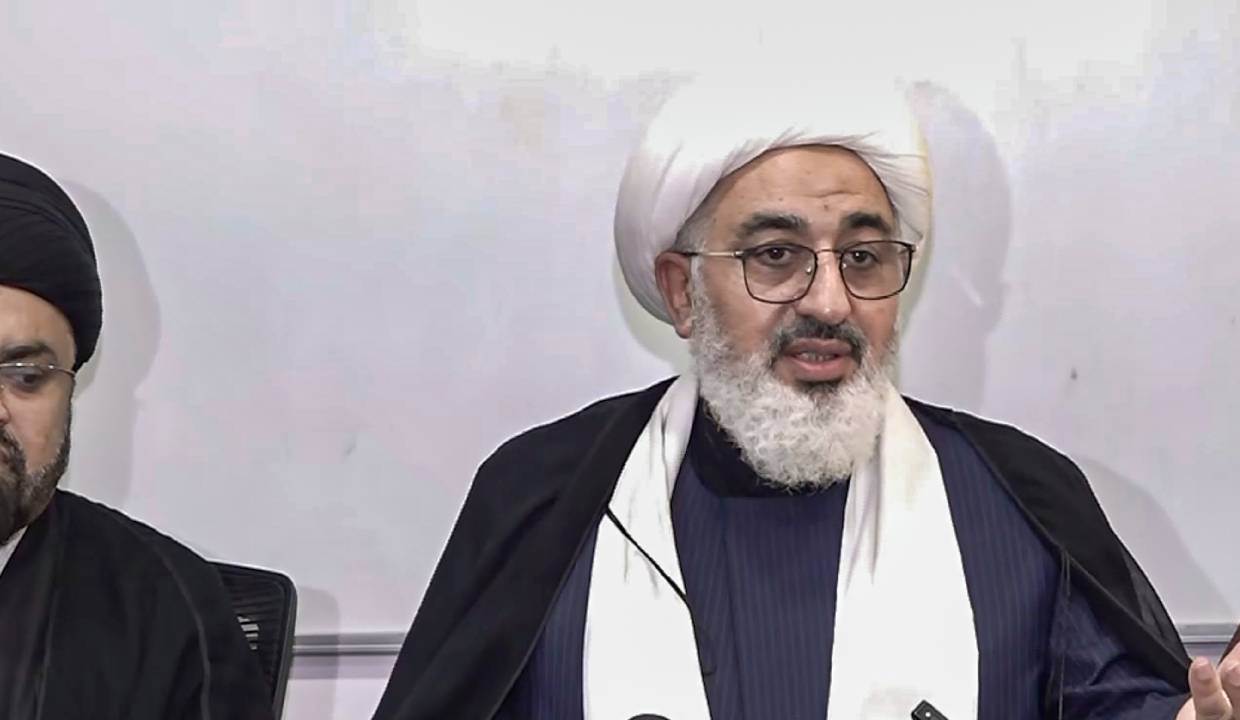
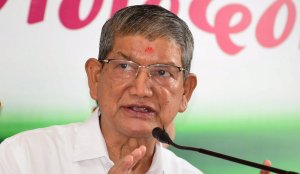
Bengaluru: Abdul Majeed Hakeem Ilahi, representative of Iran’s Supreme Leader in India, has described the ongoing tensions between Iran and the Israel–US alliance as a state of “no war, no peace”.
Addressing a press conference in Bengaluru on Saturday, Ilahi called for an immediate end to the conflict, stating that global stability depends on the actions of those who initiated the hostilities.
He questioned why countries affected by the crisis, particularly those facing economic and energy disruptions, are not pressuring the United States and Israel to stop what he termed as aggression.
Ilahi said Iran did not seek war but was compelled to respond due to continued attacks, despite earlier attempts to pursue negotiations. He referred to diplomatic talks held in Oman and later in Geneva, claiming they made progress before being disrupted by sudden strikes.
According to him, airstrikes and missile attacks resulted in significant casualties, including civilians, and widespread destruction of infrastructure such as schools, hospitals, universities, and residential areas. He also made claims about high death and injury tolls during the conflict.
He further said Iran resisted demands for unconditional surrender and instead chose to defend itself despite heavy losses. Ilahi added that the ceasefire announced later was not a true cessation of hostilities but rather a “no war, no peace” situation.
Commenting on conditions inside Iran, he said life remained largely normal, with people continuing daily activities, working in farms and other sectors, and remaining prepared to defend the country if required.
On the issue of the Strait of Hormuz, Ilahi stated that the waterway had historically remained open and secure for global trade, including for rival nations. He linked recent instability in maritime routes to the ongoing conflict and blamed the US and Israel for the escalation.
He also criticised what he called a “great power mentality”, arguing that certain countries act unilaterally without global accountability. He questioned why affected nations are not pressuring those he described as responsible for initiating the conflict.
Referring to international trade restrictions, Ilahi questioned the legitimacy of one country dictating global trade relationships and sanctions.
Reaffirming bilateral ties, he highlighted Iran’s long-standing relationship with India, describing it as rooted in history, culture, education, and economic cooperation. He said Iran values its relationship with India and expressed confidence that ties between the two countries will continue to grow stronger.