Jaaiye aap kahaan jaayenge...
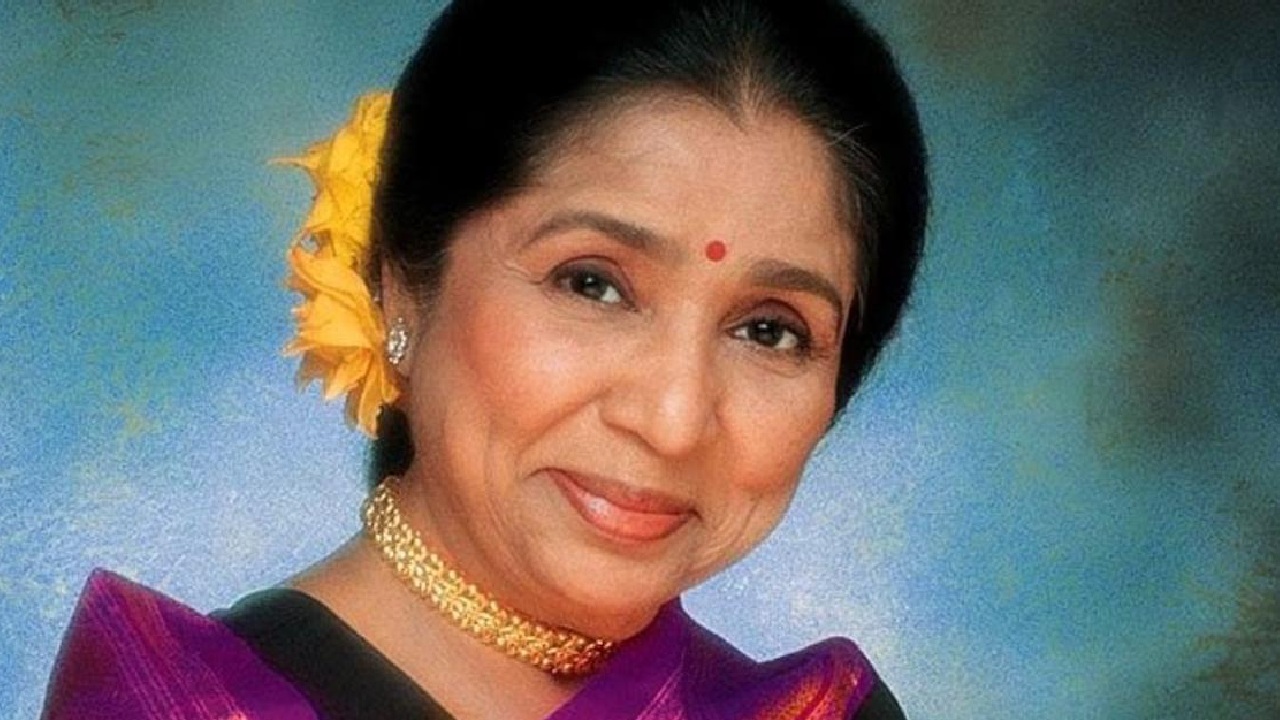
Asha Bhosle, the playback singer with a gifted voice, is no more. Yet her voice would always be there to evoke nostalgia of yesteryears when the music was largely instrument-driven and auto-tune wasn’t heard of. Though her singing career spans eight decades but she adjusted and adapted to changing times beautifully and sang for several generations. She had a voice that teases, consoles, and soars — sometimes all within a single song. With her demise at 92, Indian music does not merely lose a singing legend; it loses the grainy innocence of early cinema.
She began her career in 1943, as a teenager under the shadow of her sister Lata Mangeshkar, but soon carved a place for herself with patience and sheer hard work and hours of practice. It was the time when compensation for playback singers was a pittance. In those early years of Indian cinema, royalties were a distant dream. To sing was to survive. And yet, Bhosle endured as a restless artist who refused to be boxed in. Bollywood has a bad habit of typecasting - be it an actor or a singer - they don’t take chances, and very rarely do they allow themselves to break free of the mould that they define a singer or an actor with. The industry tried to cast her as the voice of mischief and dance numbers. Songs like Piya Tu Ab To Aaja became Asha’s signature. But she resisted confinement with quiet defiance. She showed the range she had. She sang ghazals like Dil Cheez Kya Hai, classical songs, pop, folk, and more. She did not just adapt to change — she became a vehicle for change. Her collaborations with composers across decades ensured she remained relevant.
Her journey is the journey of Indian music itself. Bollywood has changed, from a time when playback singers barely survived to the present times when they are handsomely rewarded through royalties, global tours, streaming revenues and TV shows. Asha lived it all. Her legacy is not just artistic but financial. Reports estimate a net worth of INR 200-250 crore, with properties worth nearly INR 100 crore and an international restaurant chain, Asha’s, spanning cities from Dubai to the United Kingdom, all created by a young girl, unpaid for her voice to a global brand built on it. But to reduce her life to commercial success would be doing an injustice to her. For Asha, music was breath. Even at 90, she stood on stage for hours, performing with a vitality that defied age and expectation. She sang across generations. When she performed contemporary tracks late in life, it was not reinvention; it was affirmation that she had always belonged to every era. Her life journey is a lesson for the upcoming artistes. Today’s playback singers inherit an industry far more equitable, visible, and lucrative. Yet it is built on the uncredited labour, the resilience, and the quiet battles of artistes like Bhosle, who sang through personal hardship, professional typecasting, and systemic neglect. What she leaves behind is not just a catalogue of thousands of songs but a blueprint of artistic courage-the refusal to be defined by others, the instinct to evolve, and prove herself. Asha Bhosle ensured that even in silence, her voice will echo through every era that follows.