Israel strikes kill 31 in Lebanon as Iran accuses US of ceasefire violations
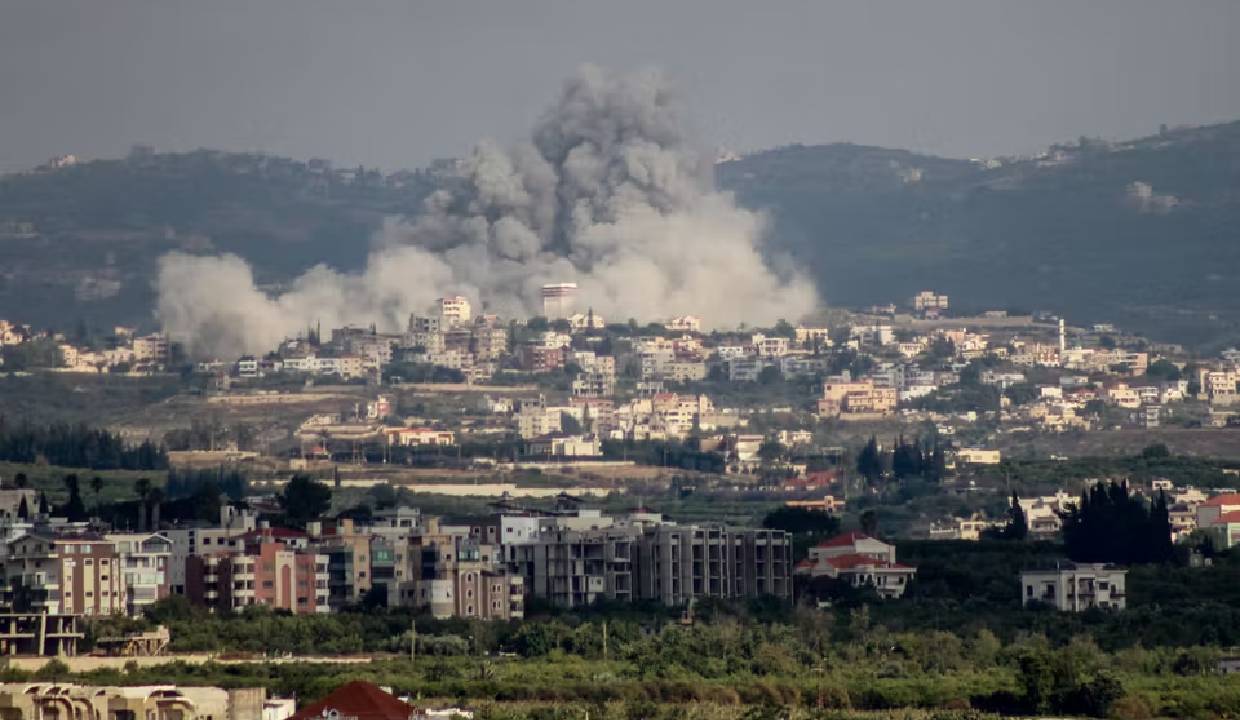
Israeli airstrikes in southern Lebanon killed at least 31 people and injured 40 others on Tuesday as fighting in the region intensified amid growing tensions involving Iran, Israel and the United States.
According to reports, Israeli forces carried out heavy strikes across southern and eastern Lebanon while issuing multiple evacuation warnings to residents in several towns and villages. Panic spread across the region as civilians fled the escalating violence and Israeli ground forces reportedly advanced deeper into Lebanese territory.
Lebanon’s Health Ministry described the attacks as a series of “massacres” and confirmed rising casualties following overnight strikes, including attacks on Deir Aames town where two people were killed.
The Israeli military claimed one of its strikes targeted a Hezbollah fighter allegedly attempting to retrieve a drone that posed a threat to Israeli troops stationed in southern Lebanon.
Meanwhile, Iran strongly criticised what it called “blatant violations” of ceasefire efforts by the United States after reported attacks on southern Iran earlier this week.
An official from Iran’s Islamic Revolutionary Guard Corps (IRGC) warned that although the possibility of renewed war with the United States remained low, Iran was fully prepared to respond to any aggression.
“Do not doubt we will turn the area from Chabahar to Mahshahr into a graveyard for aggressors,” IRGC official Mohammad Akbarzadeh reportedly said.
The conflict has also triggered wider global economic concerns. Energy prices continue to surge amid disruptions linked to the Strait of Hormuz, a critical global oil shipping route.
In Europe, rising fuel and fertiliser costs linked to the ongoing conflict have pushed governments to introduce emergency measures. France’s TotalEnergies extended fuel price caps through June, while Britain’s energy regulator announced a 13 percent increase in household energy price caps due to volatility in global markets.
The escalating conflict has intensified international concerns over regional stability, global energy supplies and the possibility of broader military escalation in West Asia.