India urges US to reconsider proposed 12.5% tariff, seeks resolution through bilateral trade talks
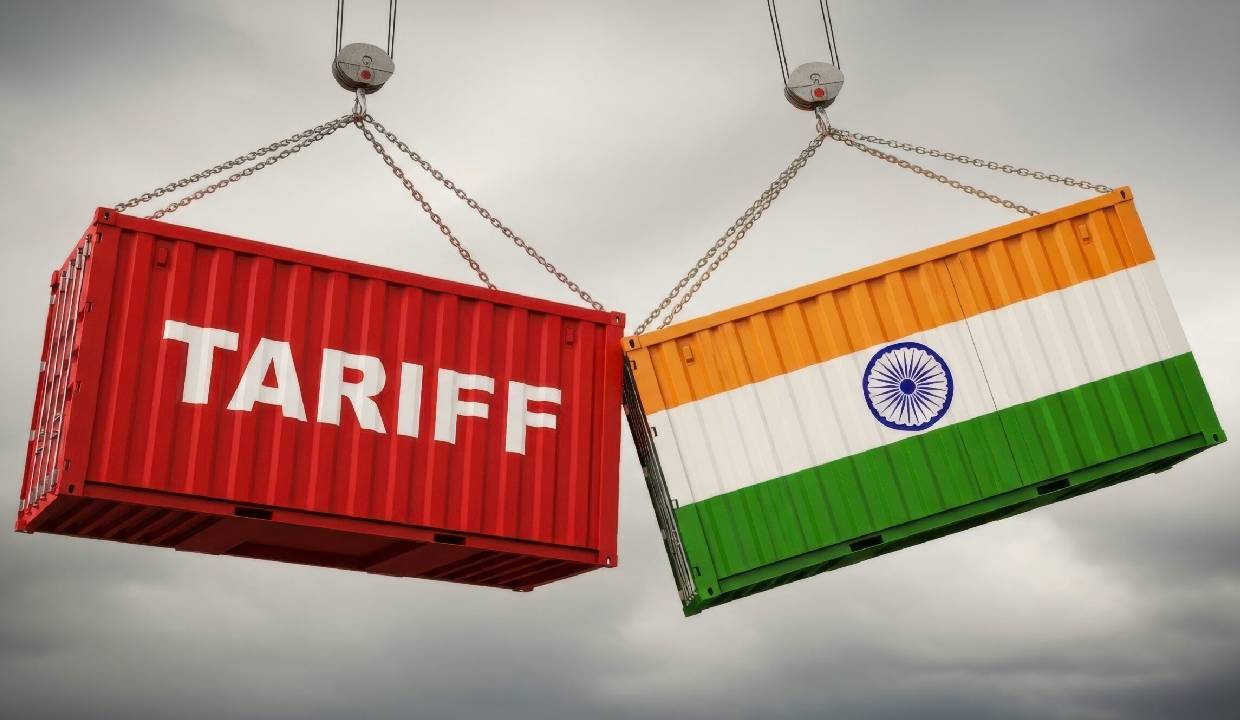
India has urged the United States Trade Representative (USTR) to reconsider its proposed 12.5 per cent tariff on Indian imports, arguing that the findings of its Section 301 investigation into forced labour are legally and factually flawed. New Delhi maintained that trade disputes should be resolved through bilateral negotiations rather than unilateral measures.
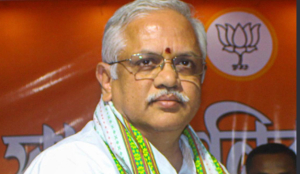
During a public hearing held by the USTR, Brij Mohan Mishra, Joint Secretary in the Department of Commerce, said India takes the elimination of forced labour seriously as both a constitutional obligation and an international commitment.
He contended that the USTR's report failed to meet the legal standards prescribed under Section 301(d) of the US Trade Act, arguing that the absence of a blanket ban on imports produced through forced labour cannot, by itself, justify punitive trade action.
India also objected to the methodology adopted in the investigation, saying the USTR grouped 46 economies, including India, into a single category without providing country-specific evidence linking Indian exports to forced labour.
According to India's submission, the report relied on broad trade patterns and limited case studies rather than concrete sector-wise evidence demonstrating that Indian policies created an unfair competitive advantage for exporters at the expense of US industry.
Calling for a review of the proposed tariff, Mishra said any trade-related concerns should be addressed through the framework of the ongoing India-US bilateral trade negotiations instead of unilateral tariff measures. He reiterated India's willingness to engage constructively with the USTR through dialogue and consultations.
Representing the Agricultural and Processed Food Products Export Development Authority (APEDA), Shreyans Gupta, First Secretary at the Indian Embassy in Washington, challenged the USTR's observations regarding rice imports allegedly linked to forced labour.
Gupta said India's rice imports are minimal and cater only to niche domestic demand. He noted that the value of rice imported into India amounts to less than three per cent of India's rice exports to the United States.
He also highlighted that India has stringent regulatory mechanisms in place, allowing exports to the US only from rice mills and processing units registered with the Ministry of Agriculture. Gupta urged the USTR to withdraw the investigation against India or exempt Indian rice exports if the tariff proposal proceeds.
Industry bodies also voiced opposition to the proposed levy. The Federation of Indian Chambers of Commerce and Industry (FICCI) warned that higher tariffs would increase costs for Indian exporters as well as US manufacturers, importers, retailers and consumers, while disrupting resilient supply chains.
The Confederation of Indian Industry (CII) similarly argued that the proposed 12.5 per cent tariff is not supported by evidence and would not achieve the stated objective of addressing forced labour concerns.
The USTR launched two separate Section 301 investigations in March 2026 covering 60 economies over concerns related to forced labour and excess industrial capacity. On June 3, it proposed additional tariffs, including 12.5 per cent on imports from India and 53 other economies, while suggesting a 10 per cent tariff for six economies, including Canada and the European Union.
The proposed tariffs are yet to be finalised, with the USTR currently reviewing stakeholder submissions before taking a final decision.