Is the old world order giving way?
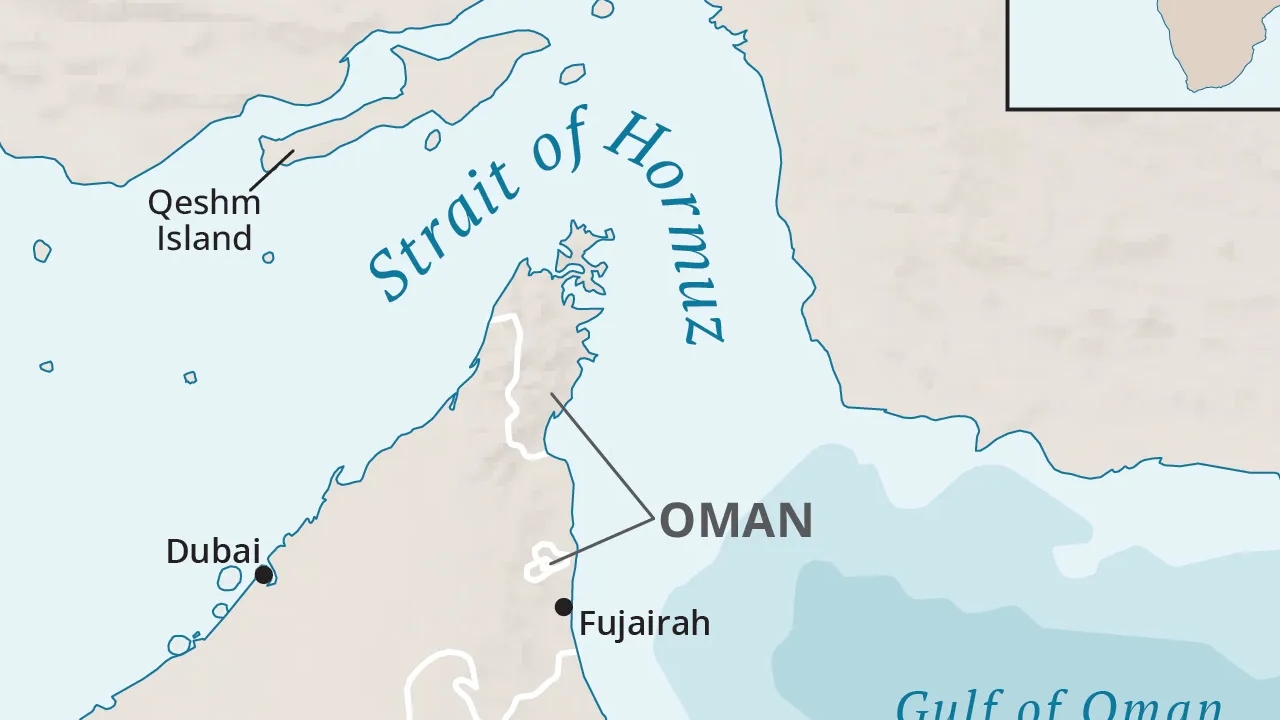
After every great upheaval, the world order shifts and readjusts to the new realities as new players emerge and the old players, worn out by war and drained of their resources, are often relegated to the background. The West Asian crisis is perhaps this peculiar moment for the US. If one country has paid heavily for this war, it is the United States of America. Its attrition is staggering, perhaps running into billions of dollars and more than that it has lost its credibility in the eyes of its allies and the Gulf countries, which it was supposed to protect. Dubai, Saudi Arabia and other US supporters are bearing the brunt and facing the heat as their skies lit up every night with the Iranian missiles and drones. Moreover, the US failed to open the Strait of Hormuz which is choked by Iran, disrupting the world oil supply. The US has asked its allies for help. None did. The indications are clear the US stands alienated in the war that may prolong and drain it further. In this background the UK and other allies are meeting to discuss the opening of the Strait of Hormuz, sans the United States! For nearly eight decades, the global order has been defined by the US and its might in the aftermath of World War II and institutionalised through frameworks like the Bretton Woods Agreement. The United States - militarily dominant, economically pre-eminent, and diplomatically indispensable was the dominant power, its only challenger was Russia in the cold war days. Today, however, the unfolding crisis in West Asia suggests that the US supremacy has taken a severe it. The recent initiative led by the United Kingdom-bringing together over 40 nations to consider sanctions against Iran - is telling not just for what it seeks to achieve, but for who is missing.
The absence of the United States from these talks is significant as the US has alienated its allies who are now seeing security structures beyond the US. For perhaps the first time in decades, Western allies are actively crafting independent responses to a global crisis. Interestingly at one point of time the US was asking its allies to "take responsibility" for securing maritime routes and is now keen to have everyone on board. For Europe, this Strategic autonomy is now becoming imperative. Nations like France and Germany are advocating diplomatic solutions, resisting military escalation.
The road ahead is not a smooth one, but a beginning of an unstable world that would need a new anchor and mechanism to fill the gap if the US goes into a shell. Russia and China would rush to fill in the void but that would again be the beginning of chaos, not stability. A multipolar world distributes responsibility and reduces overdependence on a single actor. Yet, it also introduces uncertainty. Without a clear anchor, global governance can become fragmented.
What is emerging instead is a more diffuse system, where regional powers, coalitions, and issue-based alliances play a greater role. The challenge ahead is whether this emerging order can develop the coherence and legitimacy that the old system, for all its flaws, managed to sustain.