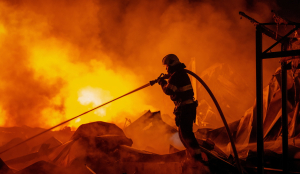
Iran targets US bases, F-35 facilities after American strikes over Apache Helicopter incident
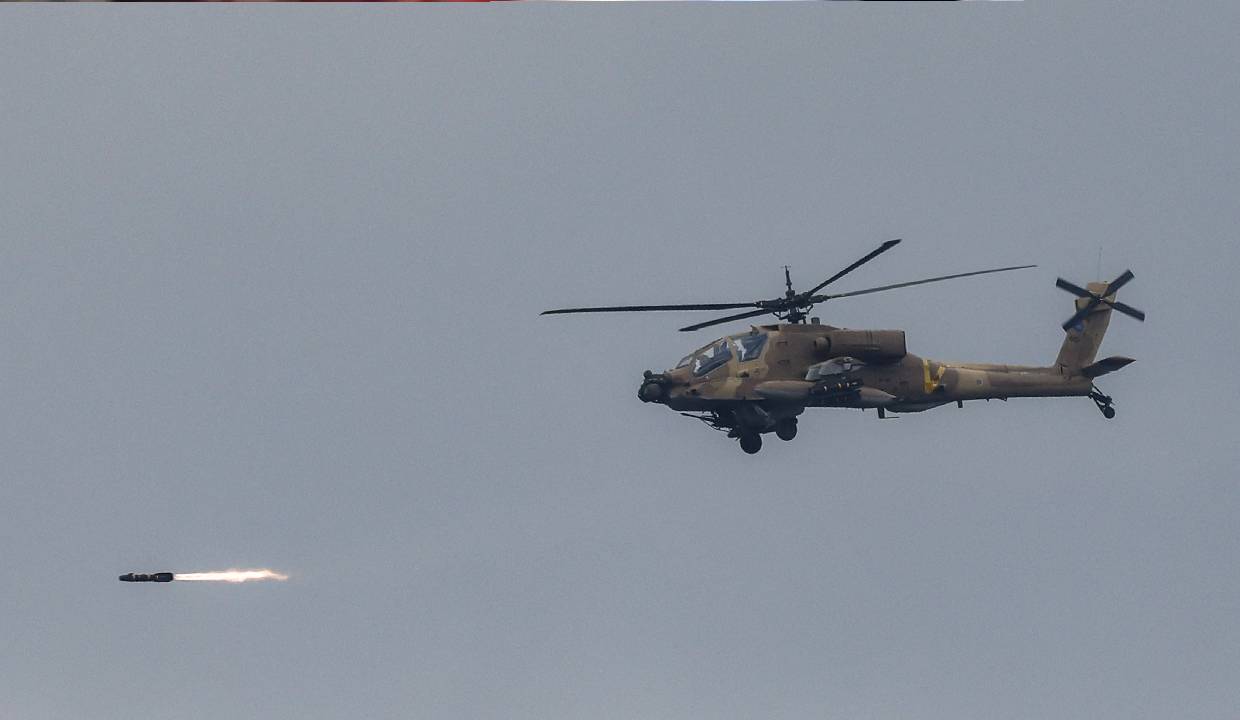
Regional tensions escalated sharply after Iran launched retaliatory attacks against US military assets and reportedly targeted facilities linked to advanced fighter aircraft operations following American strikes on Iranian military infrastructure near the Strait of Hormuz.
The confrontation began after the United States carried out military strikes against Iranian air defence systems and radar installations in southern Iran. According to US officials, the operation was launched in response to the downing of a US Army Apache helicopter near the strategically significant Strait of Hormuz.
Reports indicated that explosions were heard across several locations in southern Iran, including Jask, Bandar Abbas, Sirik, and Qeshm Island. Iranian media outlets reported damage to multiple sites, including telecommunications infrastructure and water storage facilities in Sirik.
US officials stated that several Iranian air defence systems, radar stations, and command-and-control facilities were targeted during three rounds of strikes conducted by American forces.
In response, Iran warned that it would retaliate against what it described as US aggression. Iranian Foreign Minister Abbas Araghchi said Washington had chosen to test Tehran's resolve and asserted that Iran would not leave any attack unanswered.
The Islamic Revolutionary Guard Corps (IRGC) claimed responsibility for retaliatory drone and missile operations targeting US military assets in the region. Iranian authorities said attacks were directed at facilities associated with the US Fifth Fleet in Bahrain and other American military positions.
Iran's military command also stated that joint operations involving the Iranian Army and the IRGC targeted several US bases in the region. Officials warned that stronger retaliatory measures could follow if military actions against Iran continue.
Authorities in Bahrain confirmed security incidents and urged residents to remain calm and move to safe locations as precautionary measures were implemented.
Meanwhile, the US Central Command (CENTCOM) announced that American forces had completed what it described as "self-defence strikes" against Iran. According to CENTCOM, the operation was a proportional response to attacks on US military personnel and international commercial shipping in regional waters.
US officials further stated that preliminary investigations into the Apache helicopter incident suggested the aircraft may have been struck by an Iranian drone before crashing near the Strait of Hormuz. However, officials said investigations were ongoing and had not conclusively determined whether the incident was intentional.
The latest exchange marks a significant escalation in tensions between the United States and Iran, raising concerns about regional security, maritime trade routes, and global energy supplies, particularly given the strategic importance of the Strait of Hormuz.
International observers are closely monitoring developments amid fears that continued military exchanges could lead to a broader conflict in the Middle East.