International Day for the Elimination of Racial Discrimination
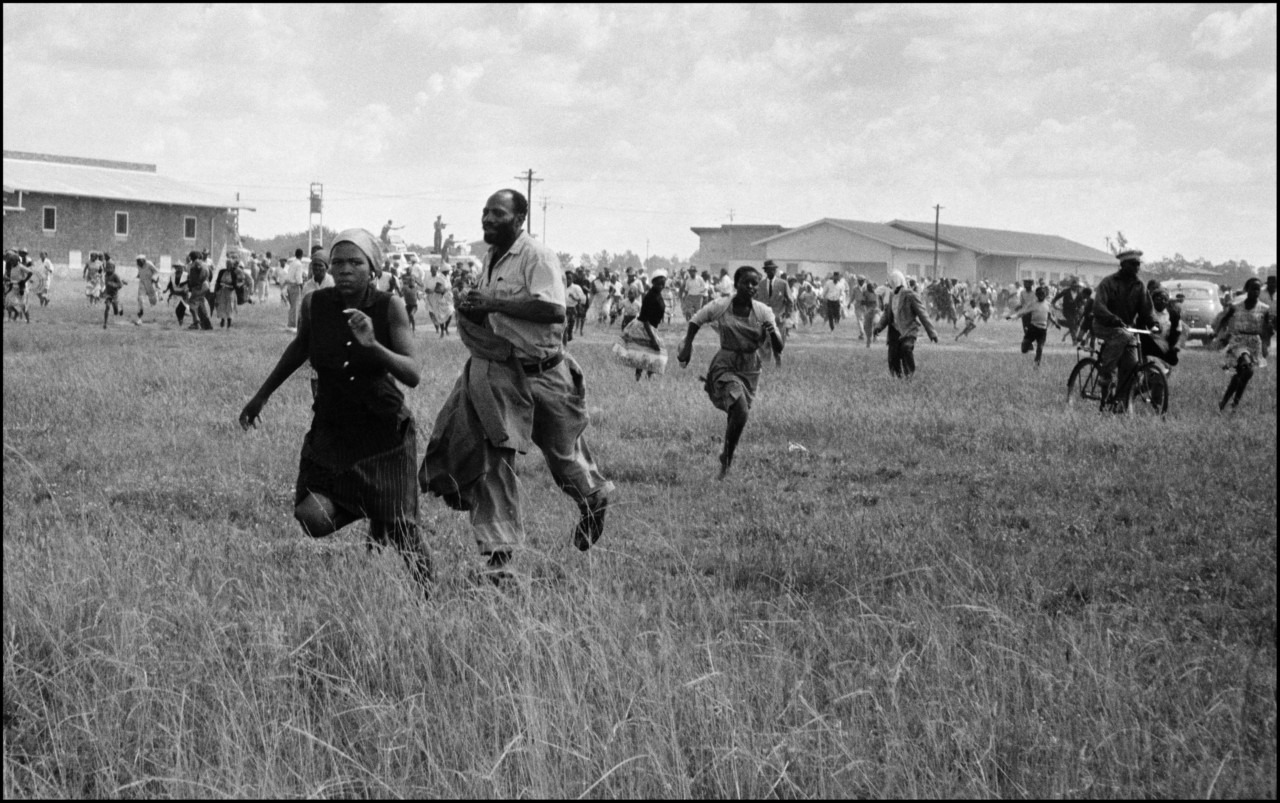
On the morning of March 21, 1960, the township of Sharpeville in South Africa woke up to a quiet yet powerful act of resistance. Approximately 5000 Black South Africans walked toward a police station, not carrying weapons but with courage. They had come to protest a law that controlled every aspect of their lives.
At the time, South Africa was governed under Apartheid, a brutal system of racial segregation that divided people by skin color and denied basic freedom to the Black majority. One of the most humiliating tools of this system was the “pass law,” which required Black citizens to carry identification documents at all times. Without these passes, they could be arrested instantly. It was a daily reminder that their movement, their work, and even their presence in certain places were tightly controlled.
On that day in Sharpeville, the protesters made a bold decision not to carry their “passbooks” and present themselves peacefully for arrest. It was meant to be an act of non-violent defiance, a statement that unjust laws should no longer govern their lives. The crowd gathered calmly, determined to challenge oppression without violence.
But the day took a devastating turn. As tensions grew, police officers opened fire on the unarmed crowd around 1:30 PM, without prior warning. Panic erupted as people tried to flee. Within moments, the ground was stained with blood. By the time the gunfire ended, 69 people had been killed, and more than 180 were wounded. The tragedy became known as the Sharpeville Massacre, one of the darkest moments in the history of apartheid.
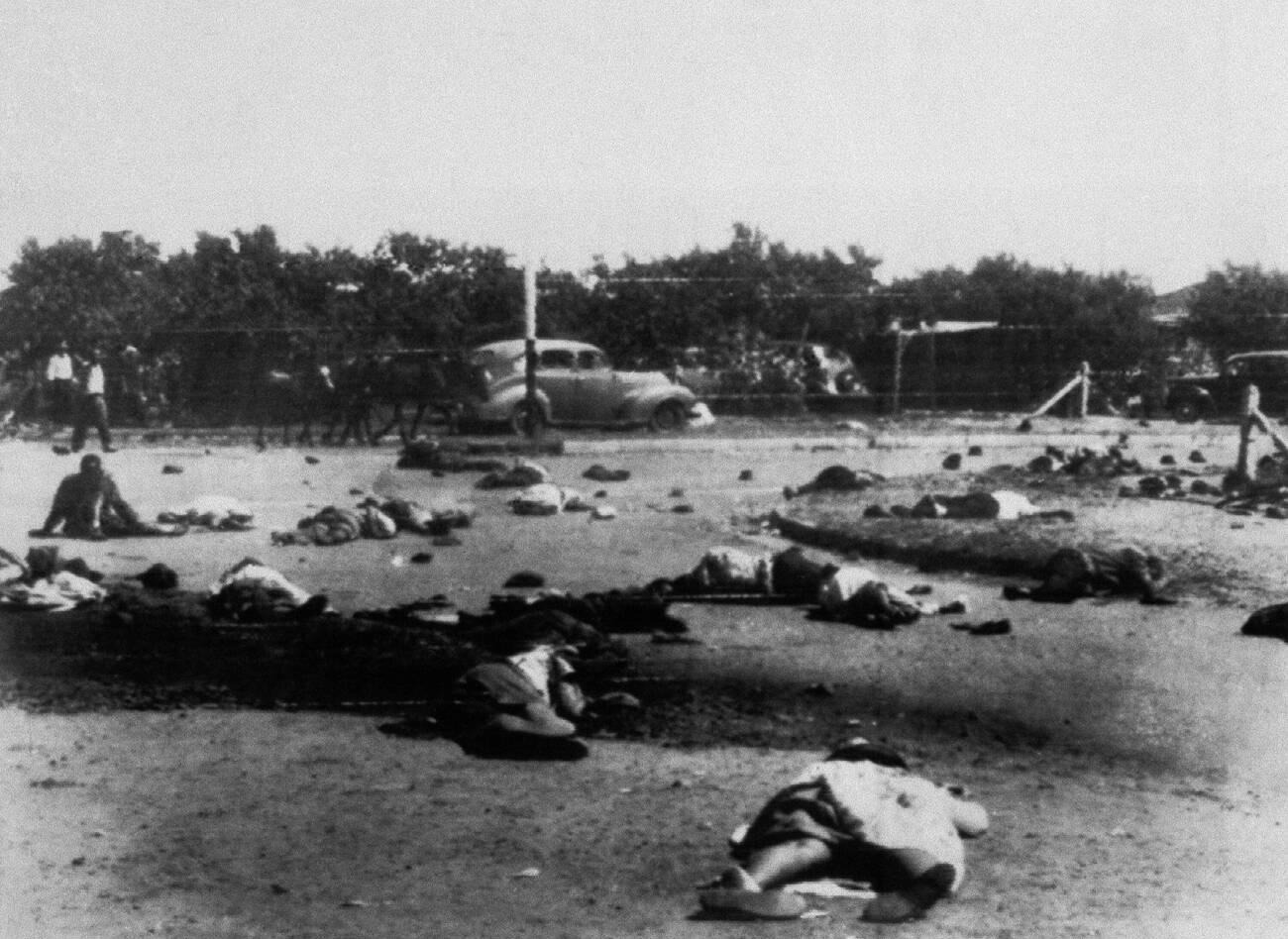
Photo credit: Ian Berry
The shock of the massacre echoed far beyond South Africa. Images and reports of the killings spread across the world, forcing the international community to confront the brutal reality of racial injustice. The event galvanized global opposition to apartheid and strengthened the movement for equality and human rights.
In 1966, the United Nations proclaimed March 21 the International Day for the Elimination of Racial Discrimination. In present-day South Africa, the day is observed as a public holiday. It was established not only to honor the victims of the Sharpeville massacre but also to urge nations worldwide to actively combat racism, xenophobia, and all forms of intolerance. In 2024, the site of the massacre, along with its memorial, was officially recognized as a World Heritage Site.
Today, the world is very different from the one that existed in 1960, yet racial discrimination has not completely disappeared. It can appear in overt acts of hatred, but also in quieter forms, in unequal opportunities, systemic bias, and social prejudice. The legacy of Sharpeville reminds us that silence in the face of injustice allows discrimination to persist.
Observing this day is therefore both an act of remembrance and a call to action. It encourages societies to reflect on the consequences of prejudice and to commit themselves to building communities grounded in equality and respect. Education, dialogue, and inclusive policies all play crucial roles in dismantling the structures that allow racism to survive.
The story of Sharpeville is painful but also powerful. The men and women who gathered that day believed in dignity and justice, even when the system around them denied both. Their sacrifice transformed a local tragedy into a global movement for change. Every March 21, the world remembers their courage and renews a shared promise that humanity must continue striving toward a future where no person is judged by race, and where the ideals of equality and human dignity truly belong to everyone.
Author: Shatakshi Sharma
Author is a guest writer and contributor.
Leave a Comment
Comments (3)
Many human beings are perceived and treated as though they are literally disposable and, by extension, their great suffering and numerous deaths are somehow less worthy of external concern, sometimes even by otherwise democratic, relatively civilized and supposedly Christian nations. A somewhat similar reprehensible inhuman(e) devaluation is observable in external attitudes, albeit perhaps on a subconscious level, toward the daily civilian lives lost in prolongedly devastating warzones and famine-stricken regions. In other words, the worth of such life will be measured by its overabundance and/or the protracted conditions under which it suffers; and those people can eventually receive meagre column inches on the back page of the First World’s daily news. It clearly is an immoral consideration of ‘quality’ of life and people, yet that’s much easier for a conscience to dismiss when one considers another an innately lower lifeform who also looks different (notably skin color).
In Toni Morrison’s novel Beloved the narrator notes that, like the South, the Civil War era northern states also hated Black people but happened to hate slavery more. Of course, this succinct summation of the ugliness of the politics of difference and scale is applicable elsewhere: e.g. they hate libertarians but hate liberals even more; they loath Semites but despise Palestinians far more, or hate Hispanics but abhor the Chinese more so, etcetera, etcetera. Children reared into their adolescence and, by extension, young adulthood around unmitigated racism can find themselves seemingly always feeling angry yet not really knowing exactly at what. ... This serious social/societal problem can/should be proactively prevented by allowing preferably-all young children to become accustomed to other races/cultures/faiths, etcetera, in a harmoniously positive manner.
Racism or racist sentiment is typically environmentally developed/acquired during childhood, often enough even passed down generationally, if not also genetically. Especially if it’s deliberate, exposing very impressionable cerebrally-developing children to such an environment of baseless contempt and overt bigotry amounts to a formidable form of child abuse. If the parents won’t do it for plain moral reasons, they then should do their own children a big favor by NOT passing down onto them such destructive anti-social/-societal sentiments and perceptions (including stereotypes and ‘humor’), since such rearing can readily make life much harder for those children. It fails to prepare them for the practical reality of an increasingly diverse and populous society and workplace. It also makes it so much less likely those children will be emotionally content or (preferably) harmonious with their multicultural and multi-ethnic/-racial surroundings.