India’s elderly are ageing faster than its care system can keep up
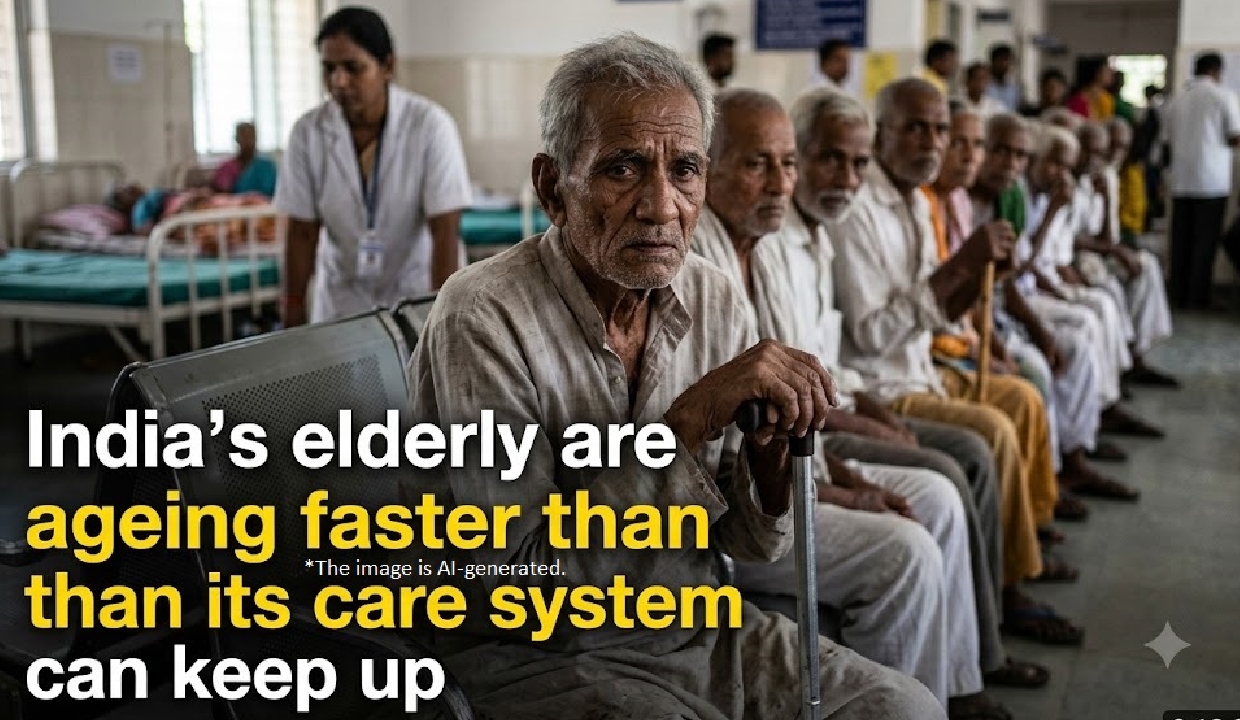
The world is greying quickly, and India is no exception. Global health authorities project that by 2050, one in five people worldwide will be over 60 - twice the share seen in 2015. India already has 157 million people in that age group, one of the largest elderly populations anywhere, and this number will climb to 192 million by 2030. The systems meant to support them - caregiving, healthcare access, social support, and dignity in daily life - are still catching up.
From Family Care to a Vacuum
For generations, Indian families absorbed the responsibility of caring for their elders. That arrangement is unravelling. Urban nuclear families are now the norm in major cities, and adult children working in places like Bengaluru or Gurugram often cannot provide the sustained, daily care their ageing parents need in cities like Pune or Coimbatore. Families can see the need clearly, but distance, work demands, and shifting household structures make it increasingly difficult to meet.
At the same time, seniors are entering old age with more chronic health conditions than earlier generations faced at the same stage of life. The line between simply growing older and needing real medical support is blurring faster than most communities and families are prepared for.
A Generation That Expects Better
Today’s seniors are not passive recipients of whatever care is offered. Many spent their working lives in structured, professional environments, and they carry those expectations into old age - wanting transparency, accountability, and genuine dignity in how they are treated. They ask questions, compare options, and expect real answers. Any system built around old assumptions of quiet compliance is already out of step with this generation.
There’s also a practical concern many families overlook: rigid housing commitments don’t suit older people well. Committing to a home for retirement, then waiting years for construction to finish, or being unable to leave a community that isn’t meeting one’s needs, is a poor fit for someone in their 80s who needs flexibility and immediate access to care - not another long-term contract.
What Genuine Care Requires
Meaningful support for India’s elderly cannot be reduced to a transaction. It requires daily health monitoring, mobility assistance, medication management, and coordinated medical attention - the kind of sustained, hands-on care that families alone can no longer reliably provide. Trust is everything in this space. Seniors and their families are making decisions about people they love, and failures - in safety, in dignity, in basic responsiveness - are felt immediately and remembered for a long time.
An Undersupplied, Underdiscussed Need
India will need care capacity for well over 5 lakh senior living arrangements by 2030, and what currently exists is fragmented and concentrated in only a few cities. Closing that gap isn’t just an infrastructure problem - it’s a question of how society chooses to treat its oldest members.
The demographic shift is already locked in. What remains uncertain is whether India builds a system that genuinely serves its ageing population, or one that leaves millions of older people without the care and dignity they need.
Dr. Muralidhara CP, Founder, Jeevin Consulting and Jeevin Senior Care; Views presented are personal.