The US ends its clear non-proliferation policy
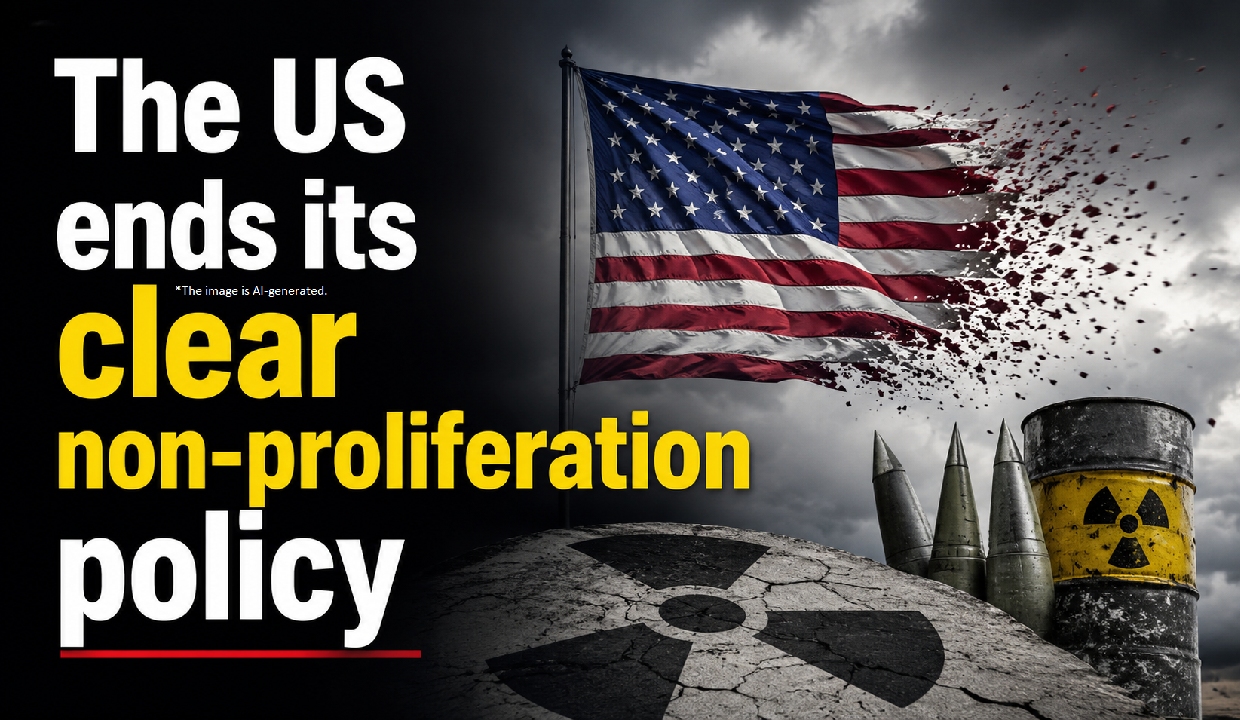
By diluting non-proliferation checks while signing a deal with Saudi Arabia, the US may have opened the door to nuclear competition in the Gulf
On July 22, US Energy Secretary Chris Wright and Saudi Energy Minister Prince Abdulaziz bin Salman signed a Section 123 agreement and an accompanying safeguards pact, formalising the framework agreed during Crown Prince Mohammed bin Salman’s November 2025 White House visit. The 30-year deal gives American firms, led by Westinghouse, the lead role in building Saudi Arabia’s civilian nuclear sector and commits both sides to a two-year study on whether domestic enrichment is commercially viable. Any resulting facility would reportedly be built by US companies under a tightly guarded “black box” arrangement meant to withhold sensitive technology from Saudi hands. Congress now has 90 days to review the agreement.
What alarms non-proliferation specialists is what the deal omits. Unlike the UAE’s 2009 “gold standard” pact, which barred enrichment and reprocessing outright, the Saudi agreement contains no such prohibition and skips the IAEA’s Additional Protocol, granting inspectors wider access. Riyadh has pointedly declined to renounce enrichment. Analysts at the Arms Control Association and the Carnegie Endowment warn it could become the precedent Turkey, Egypt or even the UAE cite to seek similar terms.
The unease is sharpened by Crown Prince Mohammed’s own past pledge to match any Iranian bomb and by Saudi Arabia’s new mutual-defence pact with nuclear-armed Pakistan, widely read as an informal deterrent umbrella. Notably, Secretary of State Marco Rubio spent his Senate years insisting on exactly the guardrails this deal now lacks. The timing compounds the risk.
The agreement was finalised as US and Israeli strikes continued against Iranian nuclear sites, meant to stop Tehran from weaponising its programme. Democratic Representative Brad Sherman put the contradiction bluntly: a government fighting a war over proliferation should not facilitate it elsewhere for commercial gain. Senator Ed Markey warned the deal risks igniting a regional arms race rather than restraining one.
For Washington, the logic is largely commercial and strategic: tens of billions of dollars for a resurgent US nuclear industry, American jobs and a foothold that locks Riyadh into US technology and fuel supply chains ahead of Chinese, Russian and French competitors.
It also anchors a broader reset with Saudi Arabia spanning F-35 sales and AI cooperation, as Trump consolidates Gulf partnerships and Riyadh pursues energy diversification under Vision 2030. Regionally, the deal marks a genuine pivot. Nuclear cooperation was long held out as the reward for Saudi normalisation with Israel; delivering it without that condition has infuriated Israeli officials, who see their unique regional nuclear status eroding just as normalisation drifts further out of reach. Whether Congress lets the deal stand will shape Gulf security — and the credibility of US non-proliferation policy — for years to come.
Leave a Comment
Comments (1)
trump makes decisions based on his personal feelings. he is one dimensional.