The climate reckoning has begun
Despite galloping scientific achievements that mankind has witnessed, we have never been able to question the invincibility of Nature. While textbooks are filled with lessons on all kinds of natural calamities, there is still no breakthrough in any natural calamity prediction mechanism. In such a scenario, the best bet for any country to deal with such a horrendous event is to be prepared for the worst while hoping for the best.
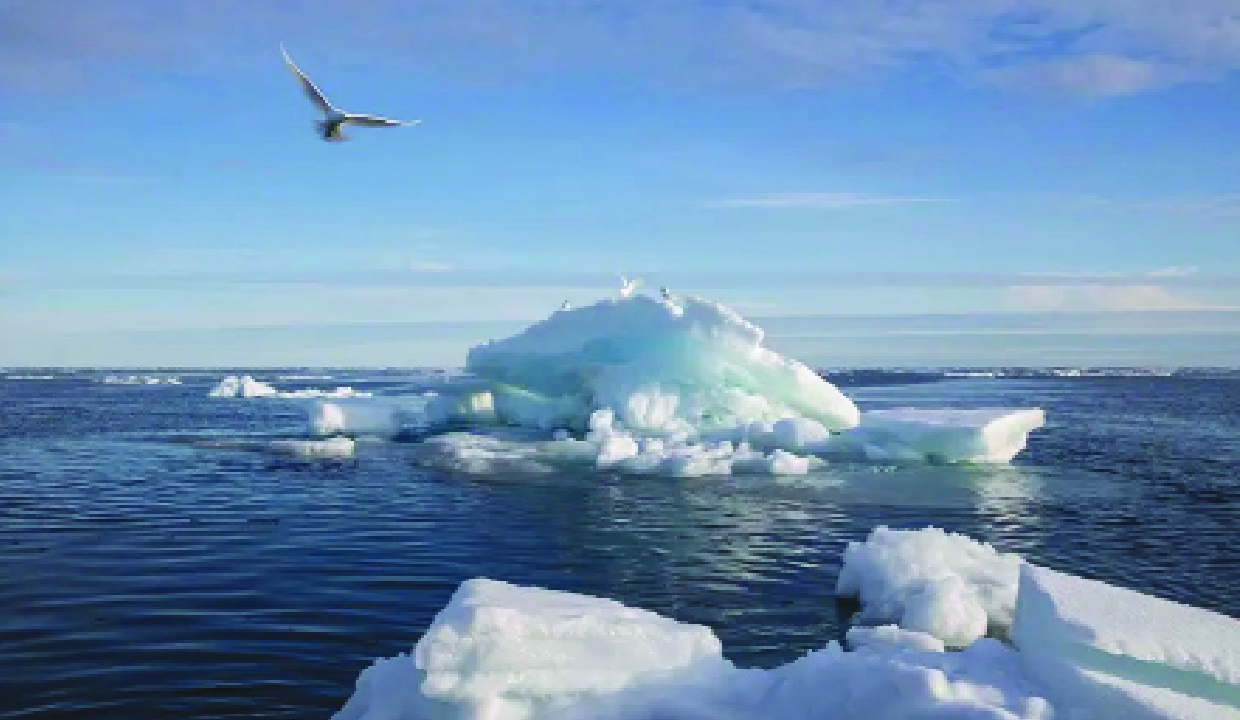
A recent scientific study into climate change has concluded that almost all of the summer sea ice in the Arctic Ocean is likely to disappear late this century because of global warming. In India, another study has said that by the middle of the century, the sea level will increase by 24.1 cm, causing coastal floods, and there will be more cyclones in the Bay of Bengal, while the average temperature in cities like Delhi and Mumbai will increase by three to four degrees Celsius. That prediction no longer feels distant.
It has taken many scientists long to accept the fact that the world’s climate is changing because of human activity. The burgeoning human population, increasing industrial activity, deforestation and the rampant exploitation of the Earth’s natural resources have altered our ecosystem irreversibly.
The devastating consequences of this are now becoming apparent. However, in spite of all these happenings, experts are unwilling to look at the bigger picture and instead offer local phenomena as the explanation. But it is obvious that the Earth’s climate is changing for the worse. Nature, which has helped man live on this planet for thousands of years, providing sunshine, food and water, is turning harsher.
The world went agog when a country like the UAE, which is associated more with deserts, saw rare snow and hail on its northern mountain peaks a few years back. Similarly, the devastating scenes of destruction caused by the tsunami, which killed lakhs of people, showed humans how powerless they are before the forces of nature.
The lesson has not gone away with time. Dubai, the same desert emirate, was paralysed in 2024 when a year’s worth of rain fell in a single day, turning highways into rivers. Each of these was called unprecedented. None of them should have been, though, because all these manifestations of nature’s fury cannot be mere anomalies. It is increasingly becoming clear that they are the result of the damage done to the environment by human beings. We forget that no amount of technology or money can save us from nature’s wrath when it comes.
Hence, we need to understand that it’s still not too late. Even now, there is time to change our course towards more sustainable, nature-friendly practices (if we have the will to do so). It only requires a change in our mindset, from that of acquisition and consumption to one of sharing and caring. If we continue living the way we have done so far, we may very well bring bigger disasters upon ourselves, and of the kind that will change the face of the Earth.
The writer is a spiritual teacher and a columnist; Views presented are personal.