India seizes 1st Captagon haul worth Rs 182 crore in Operation RAGEPILL
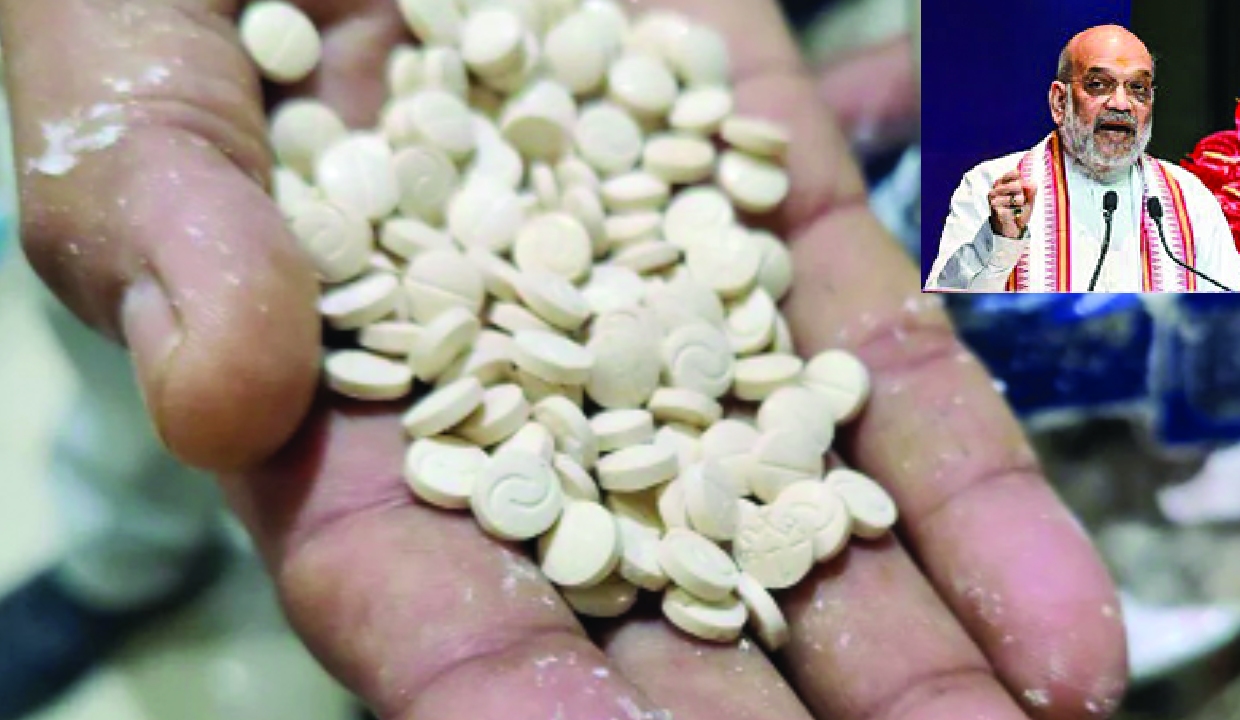
India has reached a major milestone in its efforts against narcotics with the Narcotics Control Bureau (NCB) achieving the country’s first-ever seizure of Captagon, also known as the ‘Jihadi Drug’, during a targeted operation codenamed ‘Operation RAGEPILL’. This seizure is valued at approximately Rs 182 crore in the international market.
Union Home Minister Amit Shah stated on X that the Government remains committed to a ‘Drug-Free India’, noting that ‘Operation RAGEPILL’ resulted in the first-ever seizure of Captagon, valued at Rs 182 crore. He emphasised that intercepting the consignment destined for the Middle East and arresting a foreign national exemplifies the Government’s zero-tolerance approach to drug trafficking. Shah reiterated the intention to prevent any drugs from entering or leaving India via its territory and commended the efforts of the NCB personnel.
Captagon is the brand name for ‘Fenethylline’, a synthetic amphetamine-type stimulant developed in the 1960s as a pharmaceutical treatment for conditions such as ADHD and narcolepsy. It combines amphetamine with theophylline, a compound found in tea and chocolate, to induce prolonged alertness, euphoria, and reduced fatigue.
Due to its high potential for abuse, Captagon is banned in most countries and has become a major illicit drug, predominantly manufactured in conflict zones such as Syria and Lebanon. It is often referred to as the “Jihadi Drug” or “chemical courage”.
Reports suggest that terrorist groups, including ISIS fighters in Syria and Iraq, have used Captagon to suppress fear, hunger, and pain while enhancing stamina during combat. Its addictive properties facilitate both recreational misuse in Gulf countries and the financing of illicit networks. The global trade in Captagon is substantial and frequently linked to production in the Middle East.
India’s seizure marks the first confirmed interception of Captagon on Indian soil, indicating emerging attempts by Middle Eastern syndicates to exploit Indian ports and logistics for export routes. During Operation RAGEPILL, NCB officers reportedly intercepted approximately 200 kg of Captagon tablets concealed within consignments disguised as legitimate cargo. The drugs were hidden in boxes declared as containing tea leaves or wool and arrived via container at Mundra Port in Gujarat, one of India’s busiest commercial gateways. Further recoveries and leads indicated connections to operations in Delhi’s Neb Sarai area.
Saudi Arabia (West Asia/Middle East), indicating a typical transit pattern via India. A Syrian national operating from Delhi was arrested. Agencies are actively probing potential terror links. This step comes given the drug’s known associations with terror financing.
The operation demonstrates intelligence-driven and multi-agency coordination, consistent with the NCB’s recent high-profile actions. This strategy aligns with India’s broader anti-narcotics framework. Between 2020 and 2024, drugs valued at over Rs 11,311 crore were seized in 19 major port operations.
This bust does not occur in isolation. Under the Modi Government’s directives, the NCB and allied agencies have intensified operations against both traditional drugs (heroin, hashish) and emerging synthetics. Key initiatives include: Operation Samudragupt and similar maritime interdictions targeting “motherships” smuggling drugs from Afghanistan/ Pakistan routes.
The Central Industrial Security Force (CISF), a specialised security force for key infrastructure, currently secures 13 major ports and plans to expand further. Additionally, the newly established Bureau of Port Security (BoPS) is responsible for advanced cargo screening at these facilities.
Captagon’s entry into Indian enforcement radar reflects a global shift: as production hubs in Syria face disruption post-regime changes, traffickers are diversifying routes. India’s strategic location makes it vulnerable as a transit hub, but proactive measures can help mitigate this vulnerability.
As India’s first Captagon seizure, this operation demonstrates the NCB’s intelligence capabilities in identifying emerging threats at an early stage. Ongoing investigations into potential links with terror networks underscore the intersection between drug trafficking and illicit financing. Preventing Rs 182 crore worth of drugs from reaching markets or transiting through India helps protect public health. By intercepting outbound shipments, India affirms its role as an active participant in international narcotics control, particularly concerning substances associated with instability in the Middle East.