India’s AI Impact Summit: Advancing structural transformation for the world of work
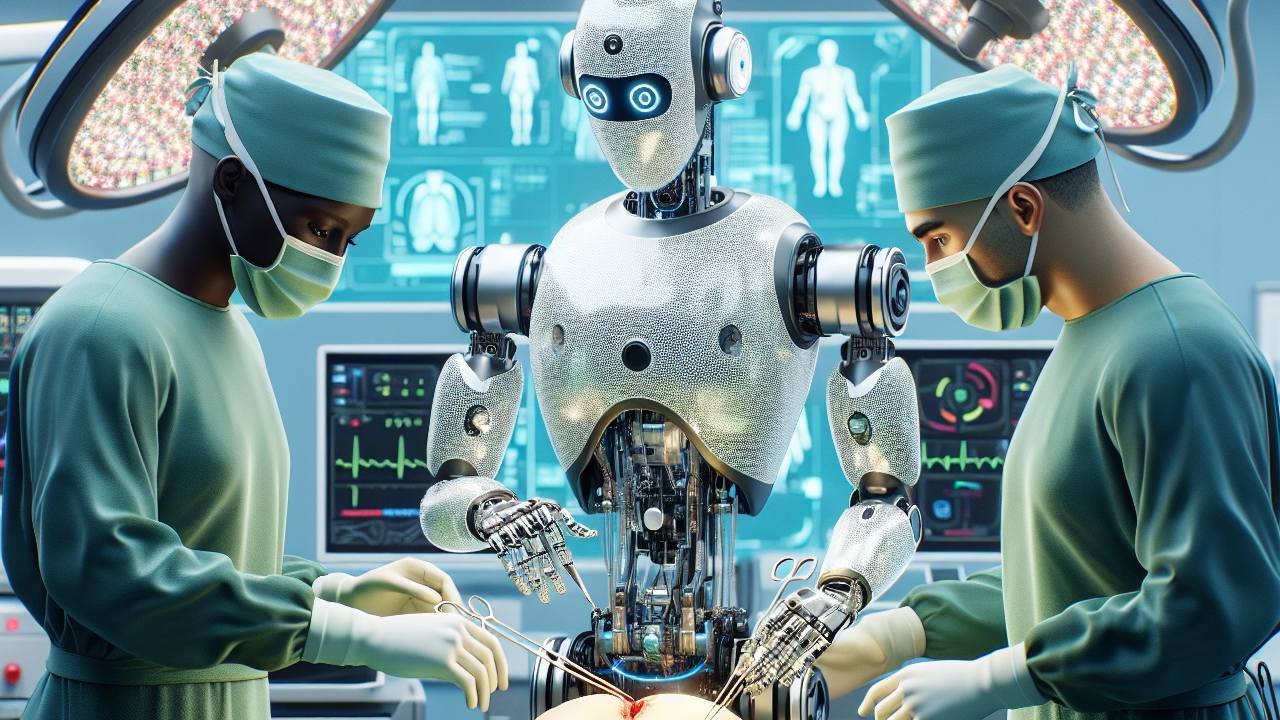
India’s AI Impact Summit represents more than a diplomatic achievement. It demonstrates a broader understanding that artificial intelligence constitutes a structural transformation in how societies generate, allocate, and prepare for future work. While public discourse frequently portrays AI as a threat to employment, this perspective overlooks a more significant reality. AI is not eradicating the future of work; rather, it is rendering obsolete certain skills and employment pathways, compelling economies to adopt continuous re-skilling as the cornerstone of opportunity. This distinction is critical. While fixed job roles may diminish, transform, or vanish, the concept of work is expanding, diversifying, and becoming increasingly accessible to individuals who adapt alongside technological advancements.
Historically, particularly in emerging economies such as India, employment followed a linear progression: education led to degrees, entry-level positions, and eventual advancement to senior roles. While this structure provided stability, it also fostered rigidity through repetition, specialisation, and incremental growth. Artificial intelligence disrupts this traditional model by performing structured, repeatable tasks such as coding standard modules, processing documents, generating reports, managing routine customer enquiries, and analysing large datasets — functions that have long formed the foundation of entry-level roles across sectors like IT services, finance, legal support, and media. As AI assumes responsibility for these tasks, traditional entry-level positions are declining in significance. This does not signal the disappearance of work, but a reduction in the economic value of repetitive functions, as employers increasingly rely on intelligent systems to perform predictable tasks more efficiently and accurately than large human teams.
Technological advancements have previously disrupted established career pathways. The Industrial Revolution, for example, eliminated many forms of manual artisanal labour but generated new roles in factory management, engineering, and logistics. Similarly, the computer revolution of the 1990s automated clerical work while creating opportunities in software engineering, digital marketing, and information management. Each technological wave has displaced specific tasks while simultaneously generating new categories of employment. Artificial intelligence represents the next phase of this evolution, distinguished by its unprecedented speed.
The most significant impact of AI lies in its capacity to augment human capabilities rather than merely replace them. While AI can generate content, analyse trends, and automate workflows, it remains dependent on human judgement to establish objectives, interpret outcomes, ensure ethical application, and translate outputs into meaningful actions. Consequently, the economic value is shifting from task execution to skills such as problem-solving and creativity. For example, a junior software engineer can now utilise AI to generate functional code rapidly. However, the design of complex systems, assurance of reliability, comprehension of user requirements, and integration of technology into business objectives continue to necessitate human expertise. Similarly, while AI can support medical professionals in diagnosis, attributes such as empathy, clinical judgement, and the cultivation of patient trust remain uniquely human responsibilities.
This transformation redefines work as the orchestration of intelligence rather than the mere execution of tasks. Individuals who develop the ability to collaborate effectively with AI systems increase their productivity and value. Rather than replacing human workers, AI enhances their output, enabling individuals to achieve results that previously required entire teams. As a result, re-skilling has become essential. The conventional model of front-loaded education, in which individuals complete their studies early and rely on that knowledge throughout their careers, is increasingly unsustainable.
Re-skilling is evolving into a continuous process rather than a singular event. This process extends beyond technical training. Although digital literacy, proficiency with AI tools, and data analysis are important, human-centric competencies such as critical thinking, creativity, adaptability, and interdisciplinary understanding are equally vital. This shift also democratises access to opportunity. In the past, advanced tools and capabilities were primarily available to specialists. Currently, AI tools enable individuals with limited formal training to perform complex tasks, design products, analyse markets, and establish businesses. For India, AI presents a complex opportunity. Sectors that have traditionally depended on routine services, especially IT-enabled and back-office operations, are experiencing significant disruption. However, India’s large population, robust digital infrastructure, and entrepreneurial dynamism uniquely position the country to lead in AI-driven growth.
India’s digital public infrastructure - including identity systems, digital payments, and large-scale service delivery platforms — demonstrates the nation’s capacity to implement technology at scale. AI can leverage this foundation to enhance healthcare delivery, agricultural productivity, educational access, and governance efficiency.
The Global South AI Impact Summit reflects India’s recognition that AI must not remain concentrated among a few nations or corporations. Instead, it should be harnessed to expand opportunity across developing economies. The primary challenge is not a lack of jobs, but rather workforce readiness in terms of relevant skills.
The challenge is not job scarcity — it is skill readiness. If India invests in re-skilling, it can transform its workforce into the world’s largest pool of AI-enabled talent. If it fails, it risks widening inequality between those who adapt and those who do not. AI is also transforming the concept of employment. The future workforce will likely consist of fewer individuals committed to single, lifelong careers and more ‘portfolio workers’ who integrate multiple skills across various domains.
A professional may be a data analyst, content creator, entrepreneur, and consultant at the same time, using AI tools to enhance productivity across roles. Workers must actively shape their own careers rather than relying solely on institutional pathways. Responsibility for employability is shifting from institutions to individuals.
Paradoxically, the advancement of artificial intelligence heightens the significance of human intelligence. While AI can process information, it cannot experience meaning. It can generate answers, but it cannot define purpose. It can optimise efficiency, but it cannot determine ethical direction. These uniquely human capacities - judgement, empathy, imagination, and responsibility — will shape the future workforce.
Education systems must evolve accordingly. Instead of focusing solely on memorisation and standardised testing, the objective is no longer to develop workers who compete with machines, but rather to develop individuals who collaborate effectively with them.
The fundamental shift underway is from job security to skill security. In the industrial era, stability came from holding a job. In the AI era, stability will come from having adaptable skills.
Workers who consistently update their skills will maintain relevance despite technological advancements. In contrast, those who depend on static expertise face the risk of obsolescence. This development should be viewed not as a threat, but as an invitation to pursue continuous growth. India’s leadership in organising the Global South AI Impact Summit demonstrates an understanding that AI should serve as a tool for inclusion rather than exclusion. The future of work will not be defined by whether AI replaces humans, but by the extent to which societies enable individuals to evolve alongside AI.
The writer is Co-Founder and Managing Director of Orane International, a Training Partner with the National Skill Development Corporation (NSDC); views are personal