India: Growth Despite Global uncertainties
In 2025, India continued to stand out as one of the world’s fastest-growing major economies. Real GDP expanded at a robust pace — outperforming many peers even as global growth slowed. In the second quarter of FY2025-26, for example, GDP surged around 8.2 per cent, surprising analysts and underlining resilient domestic demand. Multilateral institutions and independent economists consistently projected growth in the mid-6 per cent range for FY2025-26 — often around 6.5 per cent to 6.7 per cent — reflecting solid performance amidst external uncertainty.
Drivers of growth:
Strong services sector and rising consumer demand helped maintain expansion.
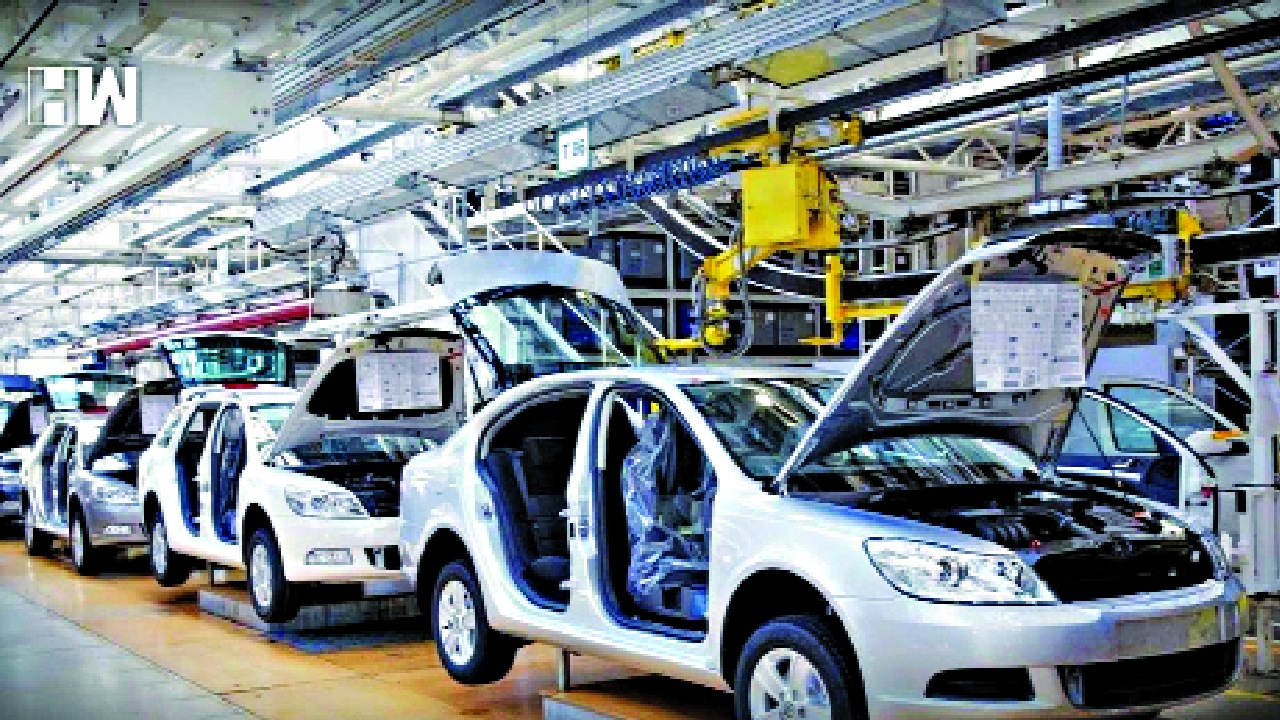
Continued manufacturing growth — supported by infrastructure investment and “Make in India” initiatives — contributed to broader economic activity.
Export resilience, particularly in services and select goods, provided an important cushion. These patterns kept India among the top growth performers globally, with some forecasts extending this position into 2026.
Major Challenges
Trade Tensions and Tariffs: One of the most talked-about issues of 2025 was the imposition of higher tariffs by the United States on a range of Indian exports. While India’s economy displayed underlying strength, these tariffs introduced uncertainty for exporters and global value chains.
Independent forecasters such as Moody’s and Goldman Sachs warned that such tariff actions could temper growth prospects by dampening trade volumes and investor confidence, even if the direct economic impact was uneven across sectors
Global Uncertainty: India’s growth story remained partly contingent on global factors - weaker external demand, uneven trade flows and slowing growth in advanced economies continued to pose risks.
Structural and Resource Constraints: Issues such as water stress in industrial regions emerged as a real constraint on long-term sustainable growth, especially for energy and resource-intensive sectors.
Additional structural challenges — from fiscal pressures to lingering demand weak spots in certain urban segments — added layers of complexity for policy makers.
Looking Ahead: What’s Next
India’s 2026 outlook remains broadly positive, with several trends pointing toward enduring growth:
Domestic consumption and services are expected to continue powering expansion, supported by a growing middle class and policy measures aimed at boosting disposable income.
Manufacturing’s share of GDP is likely to expand further, aligning with India’s ambitions to integrate more deeply into global supply chains.
Trade diplomacy and new free-trade arrangements (like the India-EFTA pact entering into force in late 2025) could reduce tariff barriers and open up markets.
Policy stability - in areas from taxation to infrastructure investment - will remain key to sustaining confidence and long-term investment.
Year 2025 was a year where India’s growth resilience was tested and largely reaffirmed. Strong domestic demand, services strength, and manufacturing momentum helped the economy grow convincingly despite tariff shocks and global volatility.