India blames Pakistan for SAARC stagnation amid Maldives push
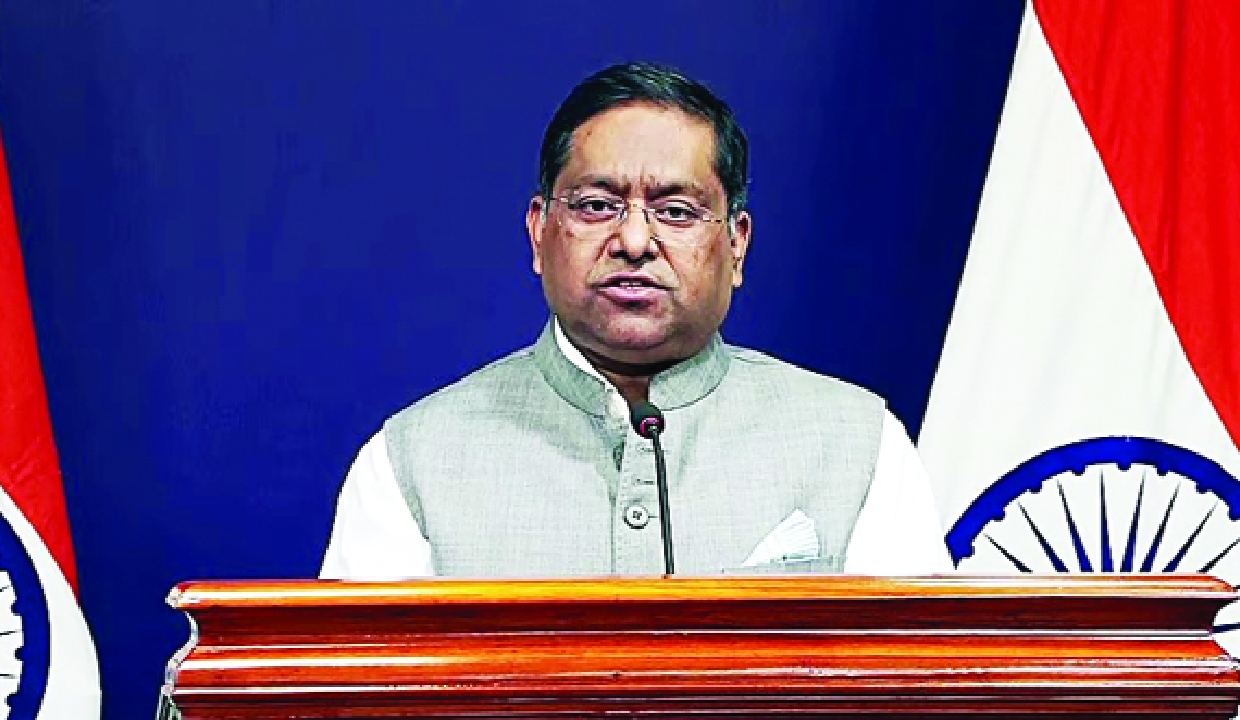
India on Tuesday underscored its commitment to meaningful regional collaboration in South Asia while pointing to the actions of one member state as the primary barrier to progress within the South Asian Association for Regional Cooperation (SAARC). The comments came in reply to Maldivian President Mohamed Muizzu’s recent appeal for the group’s revival.
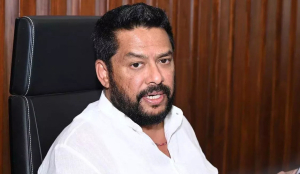
Speaking at a regular media interaction, External Affairs Ministry spokesperson Randhir Jaiswal stated that New Delhi has long supported vigorous regional ties and continues to pursue them. He noted that people across South Asia understand which nation and which patterns of behaviour have obstructed SAARC’s effectiveness, adding that genuine cooperation depends on mutual goodwill.
Muizzu raised the issue during the Maldives’ Independence Day address on Sunday. He described SAARC as an important vehicle for regional stability and urged members to settle disagreements through talks. The Maldivian leader also indicated his country’s readiness to help restart stalled meetings and, if required, to facilitate dialogue between parties.
SAARC brings together Afghanistan, Bangladesh, Bhutan, India, the Maldives, Nepal, Pakistan and Sri Lanka. Established in 1985, the organisation last held a summit in Kathmandu in 2014. Plans for a 2016 gathering in Islamabad collapsed after India declined to attend in the wake of a major terrorist assault on an army base in Uri that September. Bangladesh, Bhutan and Afghanistan similarly stayed away, and no summit has convened since.
Over the past several years India has directed greater attention toward BIMSTEC, viewing the Bay of Bengal grouping as a more practical and productive arena for multi-sectoral cooperation. Officials have indicated that limited movement under SAARC prompted this shift in emphasis.
Bangladesh has voiced comparable interest in reactivating SAARC in recent months, sometimes linking it to complementary work with BIMSTEC. India has consistently maintained that any deeper engagement requires an environment free from cross-border terrorism and built on trust.
The regional body represents roughly two billion people and a combined economy approaching five trillion dollars. While technical exchanges have occurred intermittently, the prolonged absence of leadership-level meetings has left the organisation largely dormant. Jaiswal’s remarks reaffirmed India’s openness to cooperation provided the necessary atmosphere of goodwill exists.