IMD warns of scorching summer
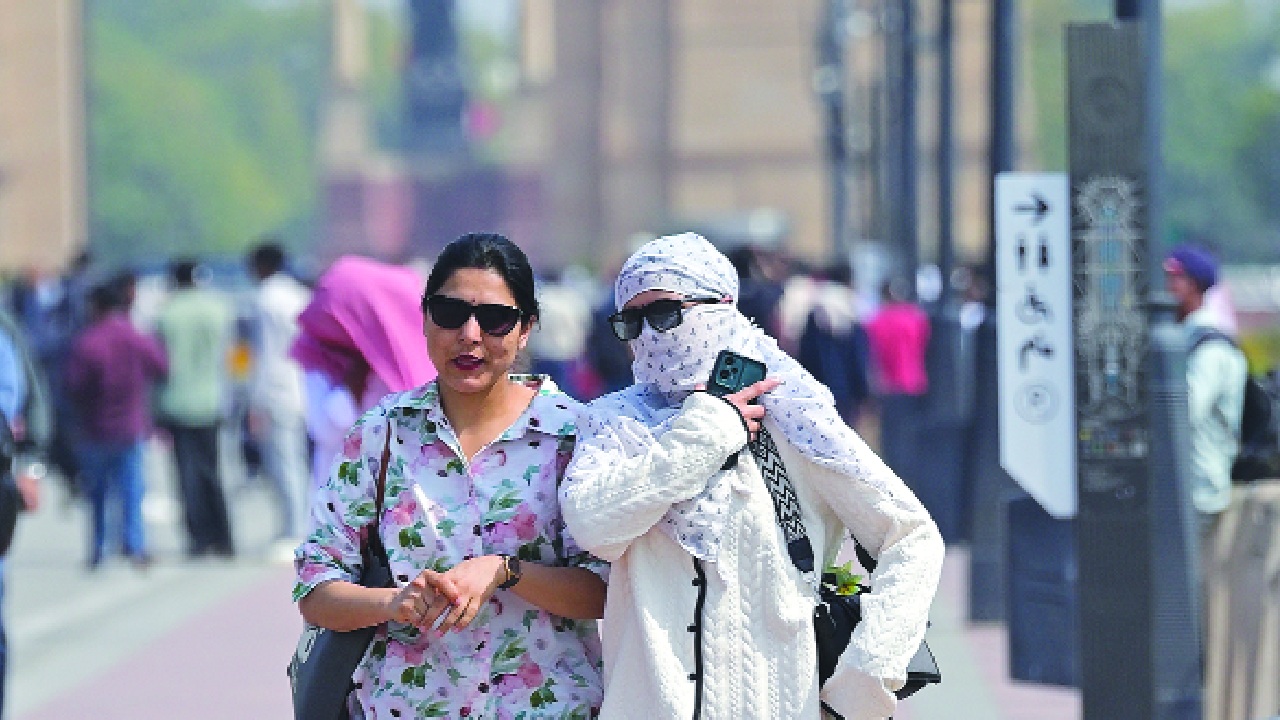
After a warmer winter, prepare for a round of hotter summer days. The Indian Meteorological Department (IMD) forecasts above-normal heat wave conditions and temperatures in most of the country between March and May. It has also issued an advisory to States and district administrations, urging them to prepare for heat waves and ensure operational readiness of cooling shelters, adequate drinking water supply, and strengthened health surveillance.
Addressing a press conference, IMD DG Mrutyunjay Mohapatra said during the March-April-May (MAM) season, above-normal minimum temperatures are very likely over most parts of the country.
These parts include West Rajasthan, Gujarat, Haryana, Punjab, southern and eastern Maharashtra, eastern Uttar Pradesh, Bihar, Jharkhand, Gangetic West Bengal, Odisha, Chhattisgarh, Telangana, Andhra Pradesh, and parts of north Karnataka and north Tamil Nadu.
“During the MAM season, the increased likelihood of heat wave conditions may pose significant risks to public health, water resources, power demand, and essential services, particularly affecting vulnerable populations such as the elderly, children, outdoor workers, and individuals with pre-existing medical conditions. Elevated temperatures can lead to heat-related illnesses and additional stress on infrastructure and resource management systems,” the IMD said.
Accordingly, State authorities and district administrations are advised to ensure timely preparedness, including operational readiness of cooling shelters, adequate drinking water supply, and strengthened health surveillance.
During March, however, maximum temperatures are likely to be normal to below normal over many parts of the country, except northeast and east India, and some parts of the Western Himalayan region and central and peninsular India.
“This could be because rainfall averaged over India is most likely to be normal during March 2026. The LPA of rainfall over the country during March, based on data from 1971 to 2020, is about 29.9 mm,” he said.
While many parts of the country are expected to experience normal to above-normal rainfall in March, northeast India and some parts of northwest and east-central India might witness below-normal rainfall.
The meteorological department has also noted that, currently, weak La Niña conditions are prevailing over the equatorial Pacific. But, in the following months, neutral El Niño Southern Oscillation (ENSO) conditions could return, according to the forecasts by global models and IMD’s Monsoon Mission Climate Forecast System (MMCFS).
“The absence of any active western disturbances and lack of their interactions/confluences with easterly (winds) are the major reasons for subdued snow/rainfall in the month,” the IMD said. Many parts of the country, except south peninsular and some parts of central India, experienced normal to above normal maximum temperatures.