India, US Sign Critical Minerals And Rare Earths Pact During Marco Rubio Visit
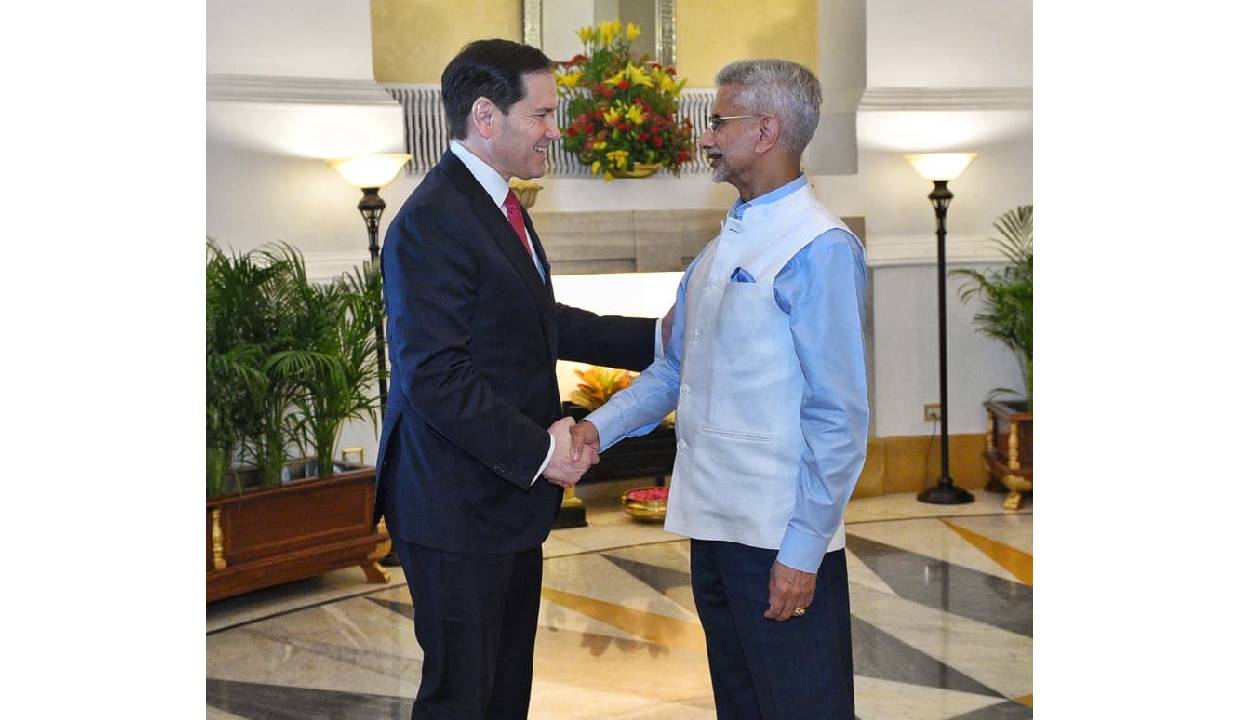
India and the United States on Tuesday signed a major framework agreement on critical minerals and rare earths during US Secretary of State Marco Rubio’s visit to New Delhi, marking a significant step in strengthening strategic and economic ties between the two countries.
External Affairs Minister S. Jaishankar and Marco Rubio signed the “Framework on Securing of Supply in the Mining and Processing of Critical Minerals and Rare Earths”, aimed at building resilient supply chains independent of China’s dominance in the sector.
The agreement covers the entire supply chain ecosystem, including mining, processing, refining, recycling, joint financing, and investment cooperation.
The pact comes amid growing global concerns over dependence on China for rare earth processing and critical minerals essential for semiconductors, electric vehicle batteries, advanced telecommunications systems, defence equipment, and clean energy technologies.
“This is not a peripheral trade arrangement. It is a strategic realignment of where these materials come from, who processes them, and who benefits,” a senior Indian government official familiar with the discussions said.
The framework traces its roots to the February 2025 summit between Prime Minister Narendra Modi and US President Donald Trump in Washington, where both leaders identified secure critical mineral supply chains as a strategic priority.
Officials said the agreement creates a formal institutional structure for joint ventures, coordinated export strategies, and co-investment projects between Indian and American firms.
Rubio’s four-day India visit also included discussions on defence cooperation, trade ties, tariffs, and regional security issues. However, the critical minerals pact emerged as the most significant outcome of the trip.
The agreement also aligns with broader India-US strategic initiatives launched earlier this year. India had joined the US-led “Pax Silica” initiative in February 2026, while both countries are also partners in the Forum on Resource Geostrategic Engagement (FORGE).
India is estimated to possess significant reserves of lithium, cobalt, titanium and other critical minerals, and has been actively seeking foreign investments to boost domestic processing capabilities.
Industry experts noted that while the framework represents a major strategic step, successful implementation would require sustained policy coordination, investment support, and faster environmental clearances for mining and processing projects.
The signing of the pact underscores the growing strategic convergence between New Delhi and Washington as both countries seek to reduce reliance on China-centric global supply chains.