How systems are beginning to work for women in Uttar Pradesh
For years, conversations around women’s empowerment in India have often focused on what women lack. Safety. Opportunity. Institutional support. These concerns have shaped activism, public debate, and policymaking for decades.
But real change rarely begins with rhetoric. It begins when systems start responding to women’s realities. Across Uttar Pradesh, the scale of such response has begun to expand in ways that are slowly reshaping how women experience everyday life. The impact of this shift is not best understood through policy language alone. It becomes visible in the lives of thousands of women who now have access to support that simply did not exist before.
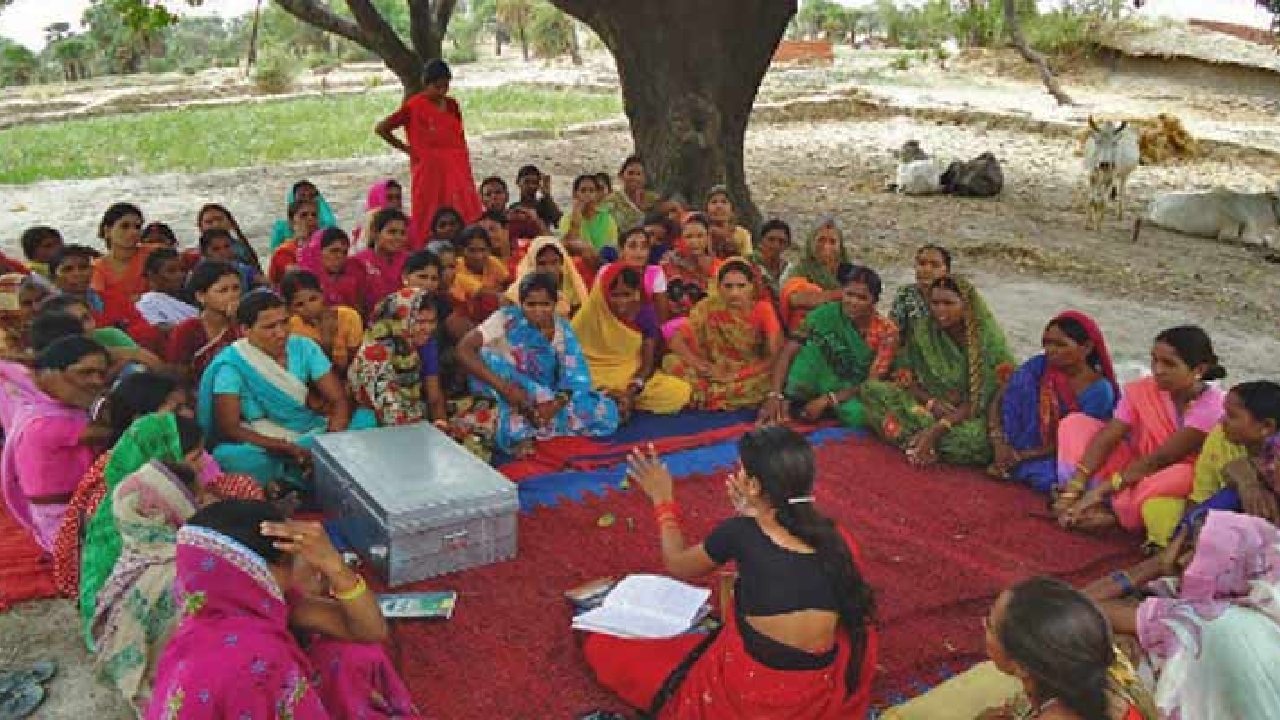
For a woman facing violence or distress, seeking help has historically meant navigating multiple institutions, often while battling fear and social stigma. Today, across districts in the state, dedicated support centres provide medical care, legal assistance, counselling, police coordination and temporary shelter in one place. Thousands of cases have already been addressed through these centres, offering women something that activists have long demanded: accessible, coordinated support. Equally transformative has been the growing use of helpline services. Lakhs of women have reached out for assistance through a single phone call, receiving guidance, intervention and counselling. For many women in smaller towns and rural communities, where formal support systems were once distant or intimidating, such access represents a powerful shift. It signals that help is available and that seeking it is possible.
Another visible change is unfolding in the area of economic participation. Across the state, millions of women have been supported through financial assistance, digital literacy initiatives and community-based programmes aimed at strengthening their economic independence. While the amounts involved may vary, the larger impact lies in confidence.
When a woman begins earning or managing resources, even at a modest level, the balance within households often changes. Decisions about education, healthcare and family welfare begin to involve her voice. Over time, economic participation becomes a pathway to social recognition. Young girls are also growing up in a different environment. Awareness campaigns promoting the importance of educating and supporting girls have reached lakhs of families across the state. These conversations, repeated across districts and communities, gradually influence how families think about daughters and their futures.
The impact may not always appear dramatic. It is often subtle and cumulative. A girl encouraged to continue school. A young woman able to travel to a nearby city for work. A survivor of violence who receives counselling and legal support instead of silence and isolation. For those facing the harshest circumstances, rehabilitation facilities now provide shelter and support to women who are abandoned, displaced or survivors of abuse. For many of them, these centres represent not just safety but the chance to rebuild their lives with dignity.
Urban working women, too, are beginning to benefit from expanding infrastructure that offers safer accommodation options. For women who migrate from smaller towns in search of employment or education, secure housing often determines whether they can pursue opportunities at all. From an activist’s perspective, the most encouraging aspect of these developments is the recognition that women’s empowerment requires an ecosystem. Safety, economic opportunity, social awareness and institutional support must move together.
Uttar Pradesh’s demographic scale makes this challenge particularly complex. But when systems expand to reach millions of women, the long-term impact extends beyond individual programmes. It begins to reshape expectations.
Women who once hesitated to speak out now know there are channels through which their voices can be heard. Families that once prioritised sons are gradually recognising the potential of daughters. Communities that once viewed women’s independence with suspicion are slowly adapting to new realities.
The journey toward gender equality is never simple. Social attitudes take time to evolve, and policy efforts must remain consistent to sustain momentum. Yet the growing reach of these systems suggests an important shift. Women across Uttar Pradesh are not only receiving support when they face adversity. Increasingly, they are gaining the confidence to shape their own futures. And when that confidence spreads across millions of lives, the change it creates can redefine the trajectory of an entire society.
The writer is a Supreme Court advocate and a leading voice for women’s rights, best known for her historic legal battle in the Nirbhaya case; views are personal