GST Council eases norms, scraps arrest powers
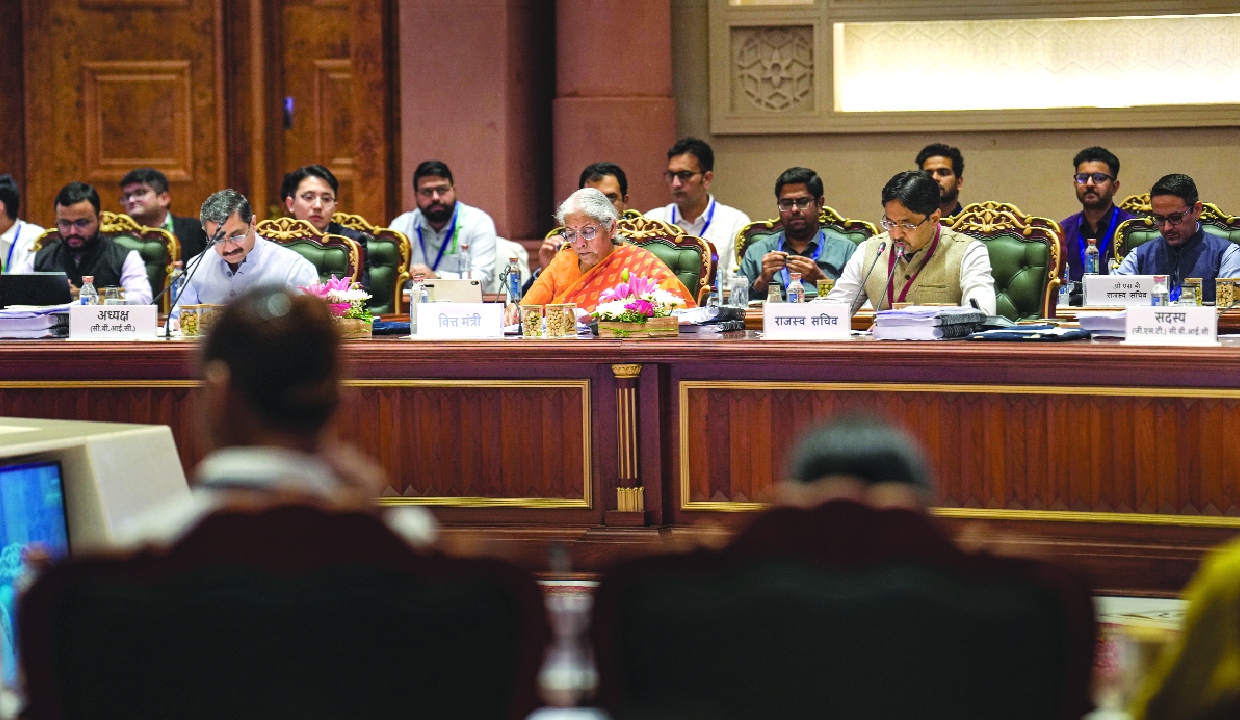
The power to arrest will be removed under GST, and the prosecution threshold will be raised from Rs 1 crore to Rs 5 crore—Finance Minister Nirmala Sitharaman
The Goods and Services Tax (GST) Council on Thursday recommended several changes to ease compliance, reduce procedural burdens, and simplify the GST regime, while keeping the existing tax rate structure unchanged. Among the key decisions, the Council scrapped the arrest powers of tax officers and raised the threshold for prosecution to Rs 5 crore from Rs 1 crore.
It also recommended common standards for GST notices and proceedings and decided not to issue notices for monetary amounts of Rs 10,000 or below. It will also withdraw pending notices below the threshold. The GST Council will implement the changes from April 1, 2027.
Announcing the decisions taken at the 57th meeting of the GST Council, Finance Minister Nirmala Sitharaman said it also decided to bring down the general penalty from Rs 25,000 to Rs 10,000. “GST Council today has recommended common standards for notices and proceedings and no notices below the prescribed monetary threshold of Rs 10,000, including withdrawal of pending notices below the said threshold. We will not be issuing any notices for monetary thresholds of Rs 10,000 or below. We will also withdraw pending notices below the said threshold. If it was issued, it will be withdrawn,” said Sitharaman after the meeting.
Sitharaman said the power to arrest will be removed under GST, and the prosecution threshold will be raised from Rs 1 crore to Rs 5 crore.
The finance minister said the principle of trust drives the GST 2.0 process reform and is part of the ‘Reform Express’ under Prime Minister Narendra Modi.
A Committee of Officers, expected to submit its report within 3 months, will examine how the protect a genuine buyer who holds a proper invoice, has received the goods, and has paid his supplier in full.
The Council, comprising Union and state finance ministers, also recommended removing the minimum punishment. The Council also left the punishment, whether a fine, imprisonment, or both, to judicial discretion in each case. The Council also approved a simplified GST registration mechanism for small sellers operating through e-commerce platforms.
The reform will allow eligible small sellers to operate without establishing a place of business in every state, easing compliance for businesses selling across state borders through online platforms.
Another key recommendation was about extending refunds under the inverted rate structure to input services. The change will apply to credit availed on or after November 1, 2026, Sitharaman said.
The Finance Minister also said that the government intends to introduce faceless tax assessment for Central Goods and Services Tax (CGST) taxpayers registered in multiple States.
The minister said the government approved a concept note proposing a single window for scrutiny of returns, audits, adjudications, appeals, taxpayer services, and grievance redressal for CGST taxpayers. Sitharaman said the framework for faceless assessment for CGST taxpayers will be put up for consultation and will be implemented from the next fiscal year, 2027-28.
Replying to a query, Sitharaman said the GST Council had mostly addressed the aberrations due to ITC and the duty inversion. So, I don’t think many outstanding issues remain that are fundamental to ease of doing business, or that involve anomalies and rates. So, yes, you can say GST, next-generation GST, 99 per cent issues have been addressed, rate or process,” Sitharaman said.
The GST reform Process has been driven from the principle of trust, the Minister said.
“Business has to be trusted. Taxpayers have to be trusted. And businesses among themselves, with trust, if they do it, we shouldn’t be too intrusive,” she added.
Clarifying speculation around the Merchant Discount Rate (MDR), Sitharaman said the 57th GST Council meeting did not discuss MDR.
Another key recommendation of the Council was to make input tax credit available on health and life insurance taken for employees. The credit will also be available on telecommunication towers and on pipelines laid outside a factory, both of which are large items for those sectors.
The Council also recommended input credit for free samples and for stock written off at the expiry of shelf life, where the law requires the goods to be destroyed.