Bastar Dussehra scripts a tale of tourism
Besieged by Naxal menace for the last three decades, Bastar has now changed tack after the elimination of ultra-Left terror, as it pulls tourists who are venturing into the region’s forests, waterfalls and tribal culture. Bastar’s tourism numbers are now telling a story the region has not been able to witness for a long time.
Post-monsoon, Bastar is at its most dramatic: the forests thicken, the waterfalls swell, and the usual trickle of visitors turns into something closer to a rush. Hotel and homestay operators near the region’s main attractions say they have already started preparing for the crowds expected around Bastar Dussehra, Navratri and Diwali.
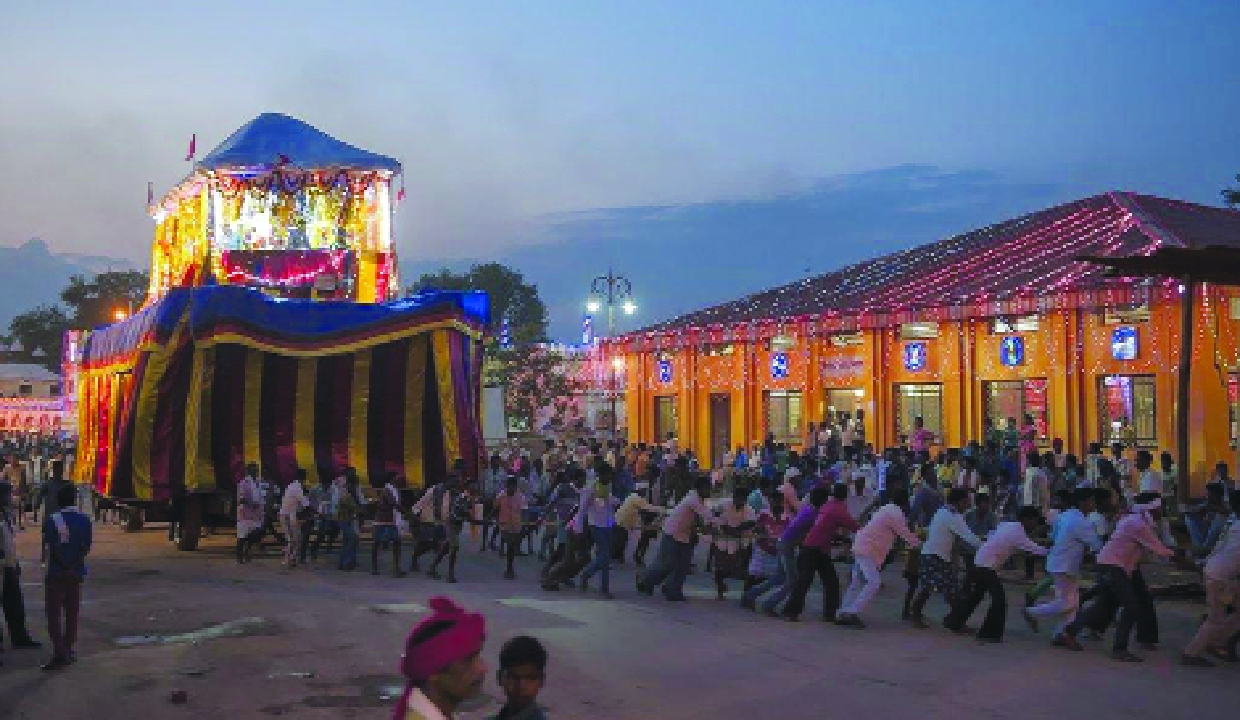
Dussehra itself runs for 75 days this year, and it is being treated as something more than a religious calendar event. There is no Ravana effigy burnt here, unlike most of the country’s Dussehra celebrations. Instead, the festival builds around a massive chariot, local folk tradition and tribal belief systems that have nothing to do with the Ramayana. That difference is part of the draw. President Droupadi Murmu’s slated attendance this year has only added to the attention the festival is getting, and officials expect it to anchor Chhattisgarh’s tourism calendar going forward.
Managing Director of the Chhattisgarh Tourism Board, Saumil Ranjan Chaubey, puts it simply: the state is not chasing visitor numbers for their own sake. “The bigger goal is to connect tourism to the local economy directly, through eco-tourism, homestays, adventure tourism and better infrastructure, while bringing in local youth, women, artisans and small entrepreneurs as the people running these businesses rather than watching from outside,” he said, adding, the improved security and connectivity in the region has added to the uptick already visible on the ground.
Dussehra is only part of what is drawing people in. Chitrakote Falls, Tirathgarh and Kanger Valley have become regular stops on itineraries that once began and ended with the festival. Inside Kanger Valley, the Kutumsar and Kailash caves offer a different kind of visit altogether, closer to the region’s biodiversity and tribal life than to any festival schedule, and they are increasingly pulling tourism out of the main towns and into villages that rarely saw outside visitors before.
Homestays, local Bastariya food, Mahua-based products and handicrafts are turning into a source of livelihood and income for people who had little access earlier. Guides, drivers, small shopkeepers, artisans, and women’s self-help groups are among the beneficiaries.