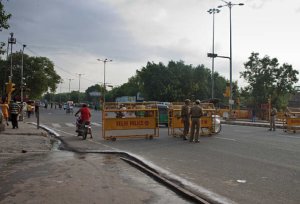
SC directs steps to enhance women’s safety
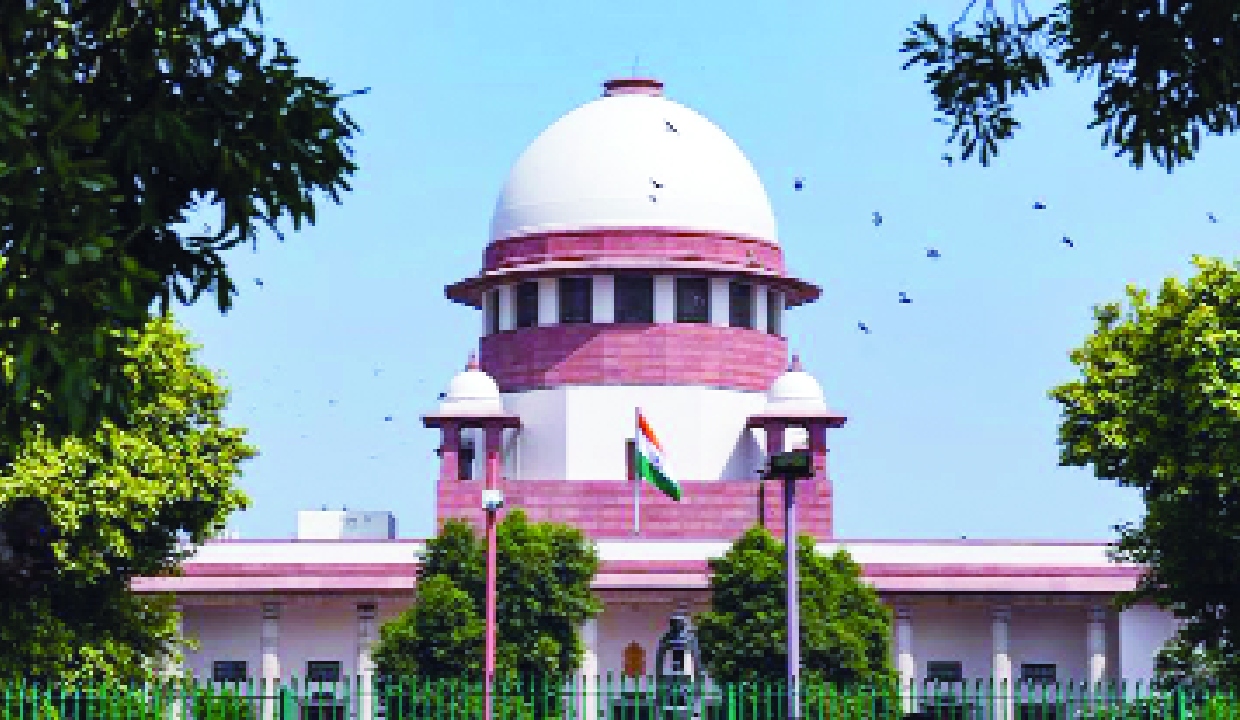
Giving top priority to the safety of women, especially after recent incidents of crimes against them in Delhi-NCR, the Supreme Court on Thursday issued a series of directions to the police and state government to strengthen preventive measures, public transport security and surveillance.
Invoking the “Broken Windows” theory of policing while hearing the suo motu case it initiated over recent incidents of rape in Delhi NCR, a bench of Justice JB Pardiwala and Justice K Vinod Chandran observed that a broken streetlight, a non-functional CCTV camera or an unattended complaint, though minor in isolation, together convey that public spaces are not being watched. The bench similarly noted that visible and unattended signs of civic neglect signal an absence of authority and create a safe haven for anti-social elements.
“A broken or inadequate streetlight, a non-functional CCTV camera, an unmonitored dark stretch, or an unaddressed public complaint may individually appear as minor administrative or infrastructural lapses. However, when such deficiencies remain visible and unattended over a period of time, they collectively convey a perception of neglect and diminished vigilance,” the Court observed.
In a slew of sweeping measures, the bench has ordered enhanced patrolling around educational institutions, stringent verification of drivers and assistants operating public transport and app-based cabs, real-time monitoring of police patrolling and CCTV infrastructure through dedicated control room command centres or “war rooms”, removal of illegally parked heavy vehicles creating blind spots and action against unauthorised liquor outlets and eateries.
The court directed the Delhi government’s chief secretary and the commissioner of police to submit periodic compliance reports. It said both officers would be “personally answerable” if the directions were not implemented seriously.
The bench directed that unauthorised liquor shops and establishments operating without requisite permissions be identified and dealt with in accordance with law. The top court issued notice to the Union Ministry of Home Affairs and the Delhi Transport Department and posted the matter for hearing on November 16. The bench asked authorities to ensure real-time monitoring of vehicle tracking and SOS systems to strengthen preventive policing and curb sexual offences in the national capital.
In its order, the bench said the manner in which public spaces are maintained, visible police patrolling and surveillance, and the promptness with which reported deficiencies are addressed are equally relevant to crime prevention. It also underscored the importance of effective real-time monitoring of police patrolling and CCTV infrastructure through dedicated control room command centres or “war rooms”.
“Therefore, the Commissioner of Police, Delhi and the Chief Secretary, Government of NCT of Delhi, are hereby directed to furnish a joint report on (i) whether dedicated control room command centres of this nature currently exist within the NCT of Delhi and, if so, their exact number and the corresponding areas of coverage,” the bench said.
“Hence, the police and the local administration shall consider instituting regular citizen-engagement meetings under the supervision of an officer to be designated for the purpose so that grievances may be received directly and their follow-up monitored efficiently,” it said. The bench said training in preventive policing should form part of the induction of police personnel and be reinforced through periodic training at regular intervals thereafter.
The bench said particular attention should be given to eateries and establishments where liquor is being served unlawfully. Accountability is integral to effective policing and governance.