Govt reviews CETPs to boost Yamuna cleanup
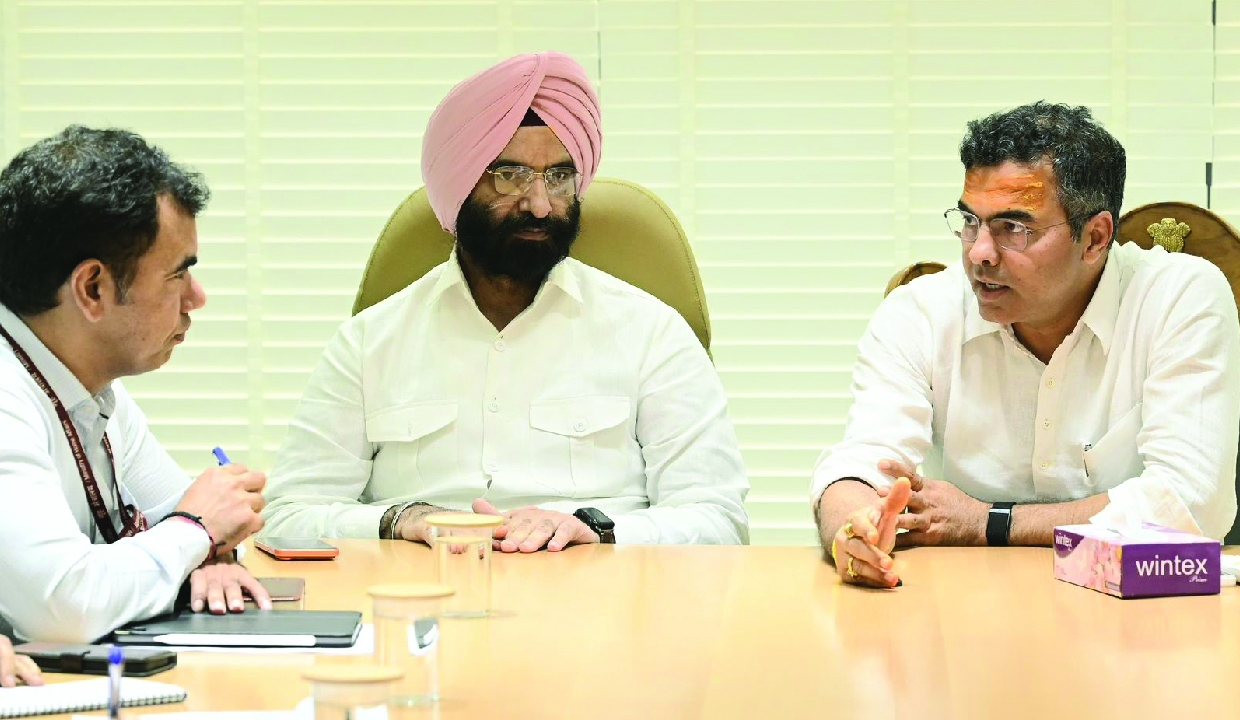
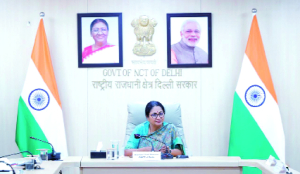
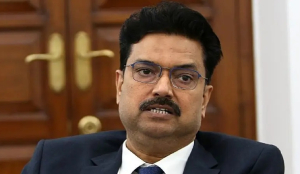
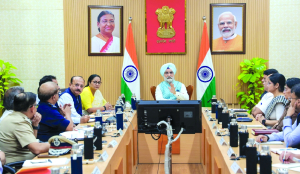
The Delhi Government on Monday reviewed the functioning of Common Effluent Treatment Plants (CETPs) as part of its ongoing efforts to reduce pollution in the Yamuna River. Water Minister Parvesh Verma and Environment Minister Manjinder Singh Sirsa held a meeting to assess how industrial waste treatment systems can be strengthened to improve the condition of the river.
The review comes as the Government intensifies its Yamuna cleaning campaign, which has remained one of the key focus areas for the administration amid growing concerns over pollution levels in the river. Officials said industrial waste flowing into the Yamuna continues to be one of the major causes of pollution. During the meeting, discussions focused on improving the efficiency and monitoring of CETPs so that untreated industrial discharge can be stopped before reaching the river.
Verma said the Government is working towards making the treatment plants more effective and ensuring proper monitoring of their operations. He said efficient functioning of CETPs is critical for the revival of the Yamuna. “If CETPs work right, the Yamuna gets a real chance to recover, and that is the direction we are pushing towards,” Verma said in a statement shared on the social media platform X.
CETPs are considered an important part of Delhi’s pollution control system because they treat industrial waste before it enters drains connected to the Yamuna. Officials said strengthening these plants is necessary to reduce the toxic load entering the river.
Apart from reviewing CETPs, the Government is also moving ahead with several large-scale projects aimed at improving sewage treatment infrastructure across the city. Plans involving investments worth hundreds of crores are being implemented to reduce untreated sewage discharge into the Yamuna.
Officials said new decentralised sewage treatment plants, or DSTPs, are proposed to be installed at major drains across Delhi. The strategy is to treat sewage at the source before it reaches the river system.
The Government believes decentralised treatment facilities will help reduce pressure on existing infrastructure while improving the quality of water flowing into the Yamuna. Work is also underway to modernise older sewage treatment infrastructure in different parts of the city. Authorities said revamping outdated systems is necessary to improve overall efficiency and ensure better pollution control.
Meanwhile, the Delhi Government has also deployed advanced machinery for cleaning the Sahibi River, commonly known as the Najafgarh Drain, which is one of the biggest contributors to pollution in the Yamuna.
Officials said cleaning work in the drain is being carried out regularly with the help of specialised equipment. Monitoring teams have also been deployed to track pollution levels and provide updates to departments concerned with river cleaning operations.
The Government said coordination between different departments and agencies is being strengthened to ensure faster implementation of pollution control measures. According to officials, pollution monitoring is being carried out continuously so that corrective action can be taken whenever required. The data collected is being shared with relevant departments to improve response and planning.