Govt releases funds for remaining Phase IV Metro lines
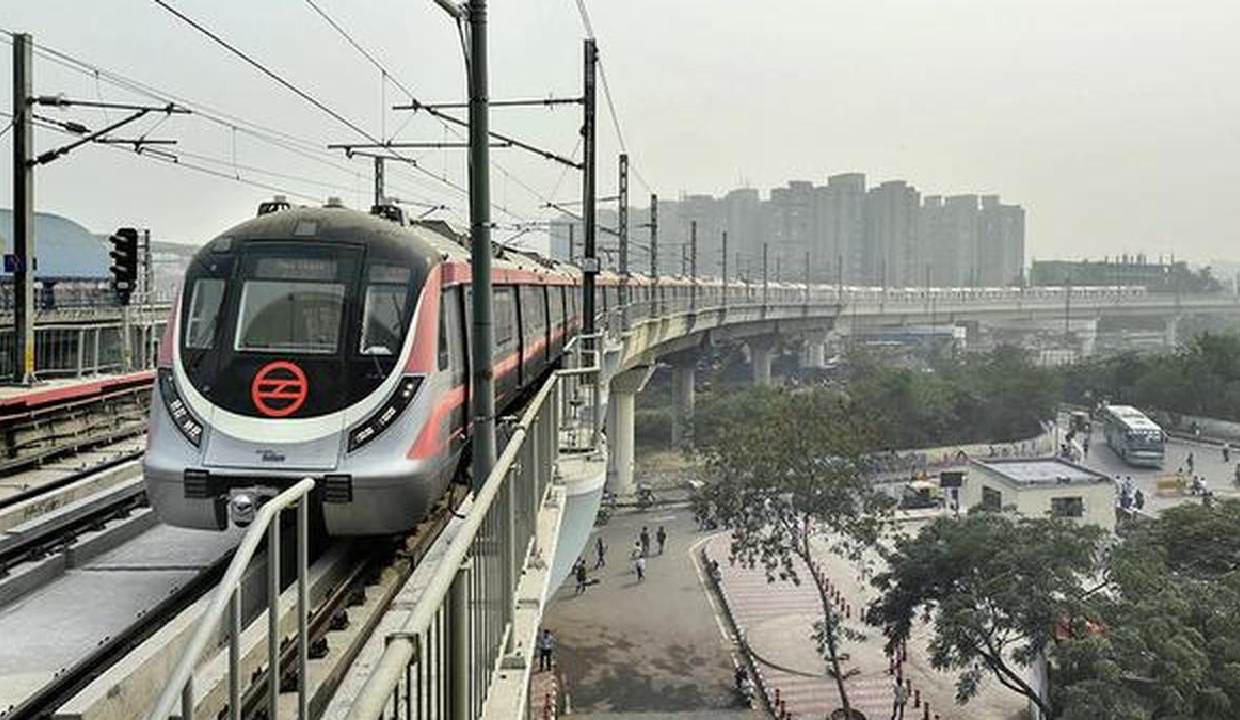
The Delhi Government has released its share of funds for the remaining three corridors of Phase IV of the Delhi Metro, clearing the way for a 47.2 km expansion of the rapid transit network at an estimated cost of Rs 14,630 crore. The move is expected to accelerate construction, improve connectivity across key parts of the city, and extend Metro services to Haryana’s Kundli within the next four years.
The three corridors cleared under Phase IV include Lajpat Nagar to Saket G-Block, Inderlok to Indraprastha, and Rithala to Kundli. Together, they will add 47.225 km to the existing network.
The total project cost of this is Rs 14,630.80 crore, out of which the Delhi Government will contribute Rs 3,386.18 crore. The remaining funding will be provided by other stakeholders, including the Centre and the Haryana Government.
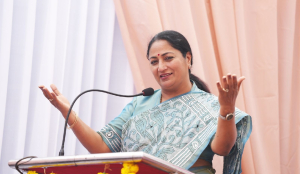
Chief Minister Rekha Gupta said the decision was a major step in strengthening Delhi’s public transportation and reducing congestion and pollution. She said Metro expansion was central to the government’s plan to offer safe, affordable, and fast travel while reducing dependence on private vehicles.
The Lajpat Nagar-Saket G-Block corridor will be 8.385 km long and fully elevated. Eight stations are planned along the stretch. The Inderlok-Indraprastha corridor will cover 12.377 km and include 10 stations. Nine of these will be underground, and one will be elevated. These two corridors have been grouped under a combined financial framework. The total estimated cost for the combined project is Rs 8,399.81 crore. Delhi’s share in this project stands at Rs 1,987.86 crore.
The third and longest corridor, from Rithala to Kundli, will span 26.463 km and feature 21 stations. It will significantly improve connectivity in north-west Delhi and link the capital directly with Haryana’s Kundli region. The total cost of this corridor is pegged at Rs 6,230.99 crore, of which Rs 1,398.32 crore will be borne by the Delhi Government. About Rs 5,685.22 crore will be spent on the Delhi portion and Rs 545.77 crore on the Haryana section.
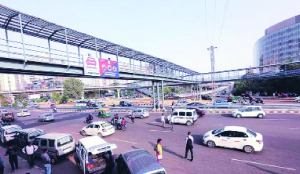
Officials said the corridors will pass through densely populated and commercially important areas, offering relief to commuters who currently rely heavily on congested roads.
The Lajpat Nagar-Saket line will serve areas such as Andrews Ganj, Greater Kailash-I, Chirag Delhi, Pushp Bhawan, Saket District Centre, and Pushp Vihar. The Inderlok-Indraprastha corridor will connect Inderlok, Dayabasti, Sarai Rohilla, Jhandewalan, Nabi Karim, New Delhi Railway Station, Delhi Gate, and the Delhi Secretariat-IG Stadium area.
The Rithala-Kundli corridor will cover large residential and industrial pockets, including multiple sectors of Rohini, the Bawana Industrial Area, Narela, Sanoth, and Kundli. Officials said this extension will also ease pressure on arterial roads used by daily commuters travelling between Delhi and neighbouring Haryana.
The tendering process for the projects is already underway, and preliminary work has begun on some stretches. The Government expects all three corridors to be completed within four years.
Chief Minister Rekha Gupta said the expansion would align Delhi’s transport infrastructure with future needs. She added that a stronger Metro network would save commuting time, improve urban mobility, and contribute significantly to cleaner air.
The move is expected to accelerate construction and improve connectivity across key parts of the city