Govt launches Aftercare Scheme for youth leaving child homes
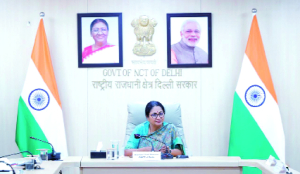
Chief Minister Rekha Gupta on Sunday announced a new Aftercare Scheme for young adults leaving child care institutions after turning 18, saying the government would continue supporting orphaned and vulnerable children even after they attain adulthood.
The scheme, launched on the occasion of Mother’s Day, will focus on education, skill development, employment support, and financial assistance to help beneficiaries become self-reliant.
The Delhi Government has allocated Rs 3.5 crore for the scheme in the 2026-27 financial year. Officials said the initiative has been introduced under the Juvenile Justice (Care and Protection of Children) Act, 2015, to provide structured rehabilitation and support for youth transitioning out of institutional care.
Announcing the scheme, the Chief Minister said no child should feel abandoned after leaving institutional protection. “Every child deserves care, support, and an opportunity to build a dignified future. The Government will continue to stand by them even after they become adults,” she said.
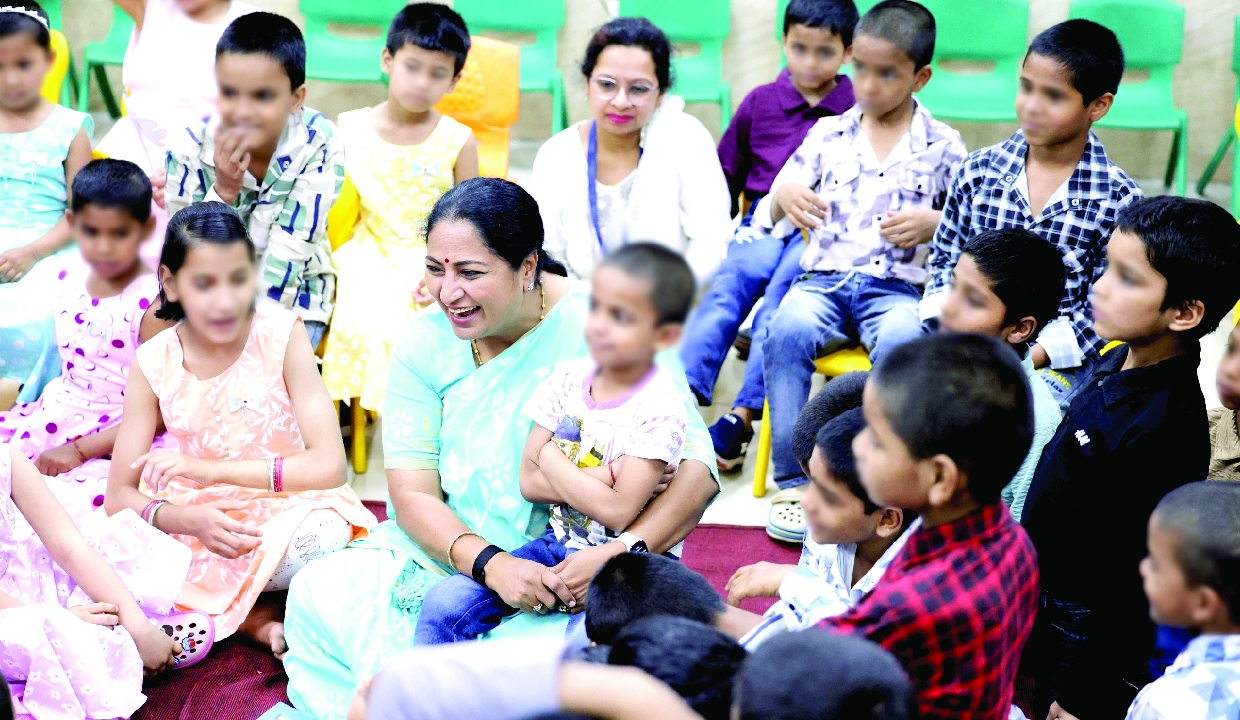
The Chief Minister visited the Village Cottage Home in Lajpat Nagar during the day and interacted with children living at the facility run by the Women and Child Development Department. During the visit, she spoke about the challenges faced by young adults after leaving child care institutions and the need for long-term support systems.
According to Government data, Delhi currently has 88 Child Care Institutions operated by the Government and non-governmental organisations. These institutions provide shelter, education, rehabilitation, and protection to children up to the age of 18. The city also has two aftercare homes, one each for boys and girls, where young adults above 18 are provided accommodation, food, and educational support for a limited period.
Officials said nearly 150 to 200 young people leave child care institutions in Delhi every year after becoming adults. Many of them struggle to continue their education, find employment, or secure housing after institutional support ends.
Several beneficiaries also lack family support and financial stability, making rehabilitation difficult. The new aftercare scheme aims to bridge this gap by extending support beyond institutional care. Under the programme, eligible beneficiaries will receive assistance for higher education, vocational training, and skill development courses. The government will also help connect beneficiaries with internships and job opportunities.
The scheme includes a monthly stipend and financial assistance for young adults to support their transition towards independent living. Counselling services, career guidance, personality development training, and emotional support will also be provided under the programme. Officials said beneficiaries would be selected through need-based assessments. Individual care plans will be prepared for each beneficiary to address educational, emotional, and rehabilitation requirements. Emergency and case-specific support will also be provided wherever required.
The Chief Minister said the government’s focus was not limited to shelter and protection but extended to preparing children for life after institutional care. She said children living in care homes are already being provided educational opportunities, vocational training, counselling, and life skills support to help them lead secure and healthy lives in the future.
To oversee implementation of the scheme, the Delhi government will constitute a State Aftercare Committee headed by the secretary of the Women and Child Development Department. The committee will monitor policy decisions, implementation, and overall supervision of aftercare services.
District-level Aftercare Committees headed by district magistrates will also be formed to assess rehabilitation needs and review individual care plans. These committees will recommend educational, financial, and livelihood support for eligible beneficiaries.
The government said it would work with different departments and partner organisations to improve access to employment, internships, and livelihood opportunities for aftercare youth. Calling the initiative a “Mother’s Day gift” for vulnerable children and young adults, the Chief Minister said the government’s objective was to ensure that every child leaving institutional care receives equal opportunities and continued support to become independent and financially secure.