Government reviews households with dual LPG, PNG connections
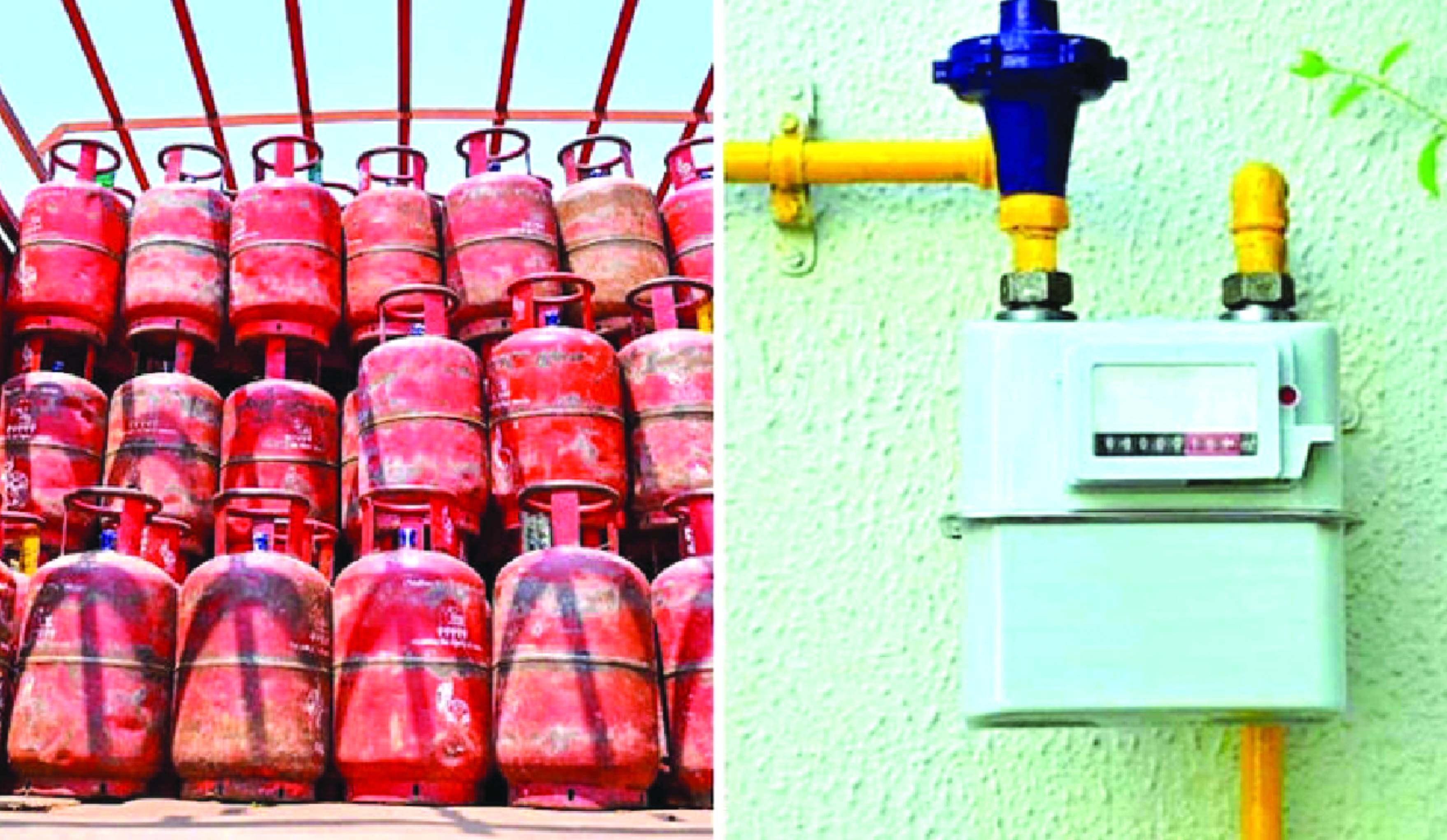
The Government is identifying households with both liquefied petroleum gas (LPG) and piped natural gas (PNG) connections as it enforces an order prohibiting dual ownership, aiming to curb misuse and better target subsidies.
The Government had last month barred households with piped cooking gas (called PNG) connections from retaining or obtaining subsidised domestic LPG connections.
In a notification issued on March 14, the Ministry of Petroleum and Natural Gas amended the Liquefied Petroleum Gas (Regulation of Supply and Distribution) Order, 2000, under the Essential Commodities Act, making it mandatory for consumers with PNG connections to surrender their domestic LPG connections.
This was done with a view to accelerating PNG rollout to ease pressure on cooking gas supplies amid global energy supply disruptions.
The amended order also prohibits Government oil companies and their distributors from providing domestic LPG connections or refilling cylinders for consumers who already have a PNG supply. “Assessment is being done as to how many have dual connections,” said Sujata Sharma, Joint Secretary in the Ministry of Petroleum and Natural Gas, at an inter-ministerial press briefing on developments in West Asia. So far, more than 43,000 LPG users, also having PNG connections, have surrendered their LPG connections, she said. This “is a low number. We expect it to be more”.
The Government last month issued an order which said, “No person having a piped natural gas (PNG) connection and also having a domestic LPG connection shall retain a domestic LPG connection, or take refills of domestic LPG cylinders from any Government oil company, or through their distributors. Such persons will be required to immediately surrender their domestic LPG connection”.
Those having PNG connections have also been barred from obtaining a domestic LPG connection.