From soil to sustenance: India’s wellness depends on its farmers
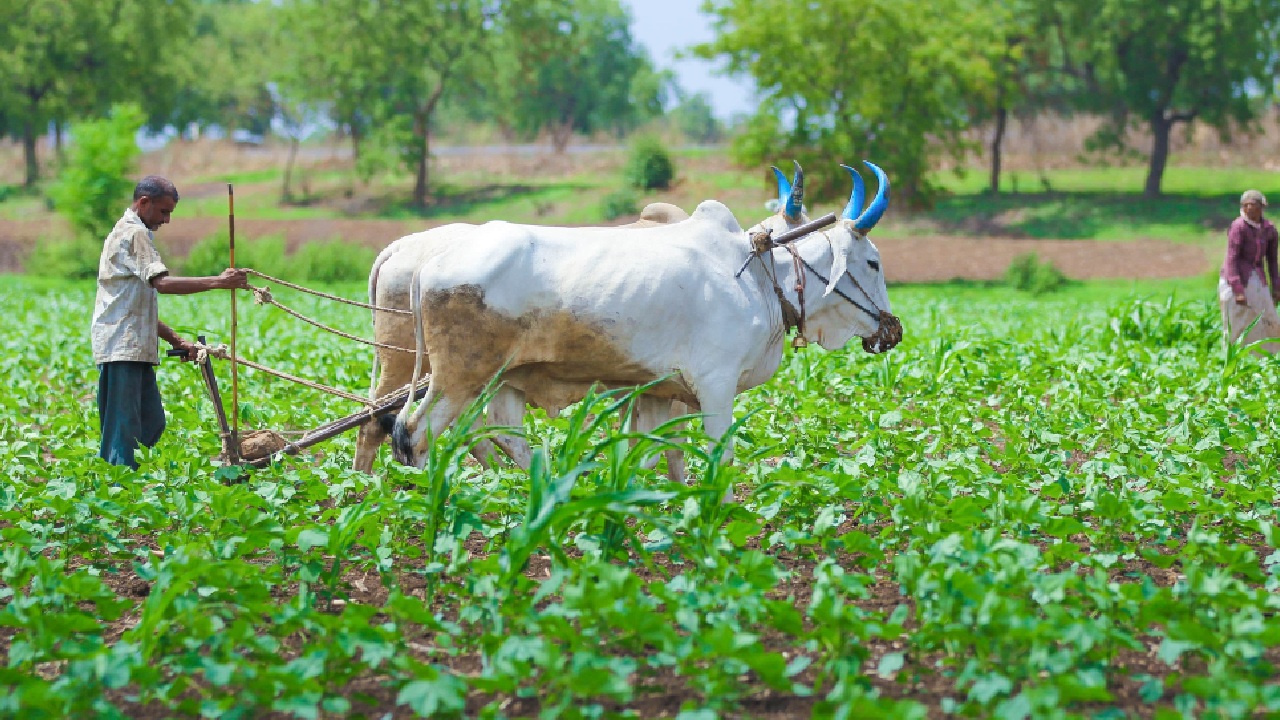
India’s growing health and wellness consciousness is often discussed in the language of urban gyms, dietary supplements and lifestyle choices. Yet, the real foundation of preventive health lies far from metropolitan centres-embedded in our farms, soil quality and the livelihoods of those who cultivate what we consume. If wellness is to be sustainable, it must begin at the source.
In Babai, a small village in the drought-prone Bundelkhand region, this philosophy is being tested in practice. Like many parts of rural India, Babai once faced migration, irregular incomes and limited employment opportunities. Today, it offers a different narrative-one where organic farming, local processing and community participation are shaping both health outcomes and livelihoods.
The core idea is simple: food and wellness products should not be separated from the ecosystems that produce them. When farmers are treated merely as raw material suppliers, the system remains extractive. But when they are integrated into value chains-from cultivation to processing and quality control-the impact is transformative. Organic cultivation demands discipline, patience and knowledge, but it also restores soil health, reduces chemical exposure and produces nutritionally superior outcomes. These benefits extend not only to consumers but to farming families themselves. A seed-to-finished-product approach of Organic Wellness Products Ltd. has helped build such an ecosystem in Bundelkhand. Organically grown raw materials are sourced directly from local farmers and processed locally, creating steady employment beyond seasonal agriculture. Cultivation, packaging and quality checks generate year-round work, reducing distress migration and offering rural youth viable alternatives close to home. Thousands of farmers and their families are already linked to this backend supply chain, demonstrating that agriculture-linked wellness can be both economically viable and socially inclusive.
However, wellness cannot remain confined to production alone. Access and affordability are equally critical. This is where decentralised retail models of Organic Wellness play an important role. India’s health challenges-ranging from lifestyle disorders to nutritional deficiencies-require wellness solutions that are embedded in communities rather than restricted to elite markets. Small-format wellness stores, operated by local youth and women, offer a practical pathway to achieve this.
Such models are intentionally designed to be accessible. With modest initial investment and low operational costs, they enable first-time entrepreneurs to participate in the wellness economy. More importantly, they convert consumption into employment. Each store supports an owner-operator and additional staff, while remaining directly connected to farmers and processors upstream. At scale, decentralised retail has the potential to generate thousands of jobs, while ensuring that wellness products reach households across income segments.
The health dimension of this approach is equally significant. Wellness is not about miracle cures or short-term fixes; it is about consistent, informed choices. Organic nutrition, functional foods and preventive supplements-when backed by research and quality standards-can play a role in strengthening immunity, metabolic health and overall well-being. Transparency around sourcing, formulation and processing builds trust, allowing consumers to understand not just what they are consuming, but where it comes from and who it supports.
India’s traditional knowledge systems have long emphasised the connection between food, balance and health. Modern science and regulation now offer the tools to validate, standardise and scale these principles responsibly. When research-backed formulations meet certified organic practices, they create wellness solutions that are credible in both domestic and global markets. Exports to regulated international markets further demonstrate that rural India can meet the highest quality benchmarks when given the right ecosystem.
Our model offers an alternative to metro-centric industrialisation. Anchoring manufacturing and value addition in rural regions decentralises growth, reduces regional disparities and aligns economic development with public health outcomes. Farmers become stakeholders, youth become entrepreneurs, and wellness becomes a shared social objective rather than a luxury. From villages like Babai to homes across India, this integrated approach may well define the next chapter of inclusive wellness growth.
Krishan Gupta is Managing Director of Organic Wellness; views are personal