Farmers turning climate adaptation into opportunity
Climate change is often described as an unfolding crisis for Indian agriculture. Rising temperatures, erratic rainfall, declining groundwater levels, and increasing weather extremes have placed unprecedented pressure on smallholder farmers. These risks are real and immediate. Yet, when climate adaptation is framed only through the lens of loss and damage, we risk overlooking a powerful and necessary shift: adaptation can be a pathway to rural prosperity, not just survival.
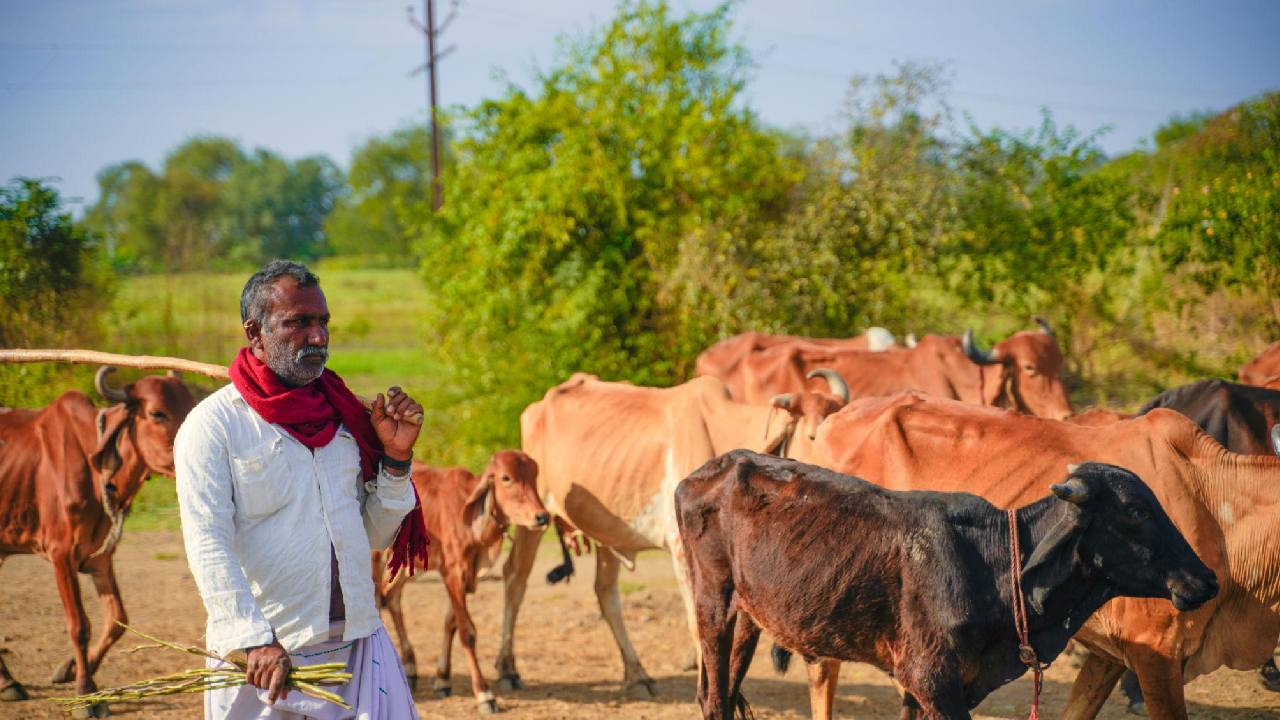
Across rural India, farmers are already adapting — not in abstract ways, but through practical decisions taken season after season. Where these efforts are supported by the right knowledge, infrastructure, and institutions, adaptation is beginning to show clear economic returns. Improved water management practices are increasing water productivity and stabilising cropping cycles. Soil and moisture conservation techniques are reducing input costs while improving yields. Diversified livelihood models — combining crop cultivation with allied activities such as livestock, value addition, and micro-enterprises — are helping farming households spread risk and strengthen incomes in an increasingly volatile climate.
Seen this way, climate adaptation is not simply about cushioning the next shock. It is about building agricultural systems that perform better under uncertainty. When farmers are equipped to manage scarce resources more efficiently, respond to changing conditions, and invest in complementary income streams, resilience becomes productive rather than defensive.
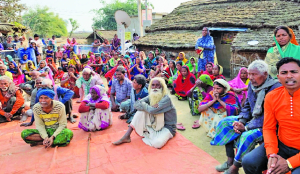
A critical factor in this transition is the strengthening of local institutions alongside physical infrastructure. Climate resilience cannot be built through assets alone. Investments in decentralised water systems, climate-resilient farming practices, and soil and crop management must be matched with investments in community-led governance. Farmer collectives, water user groups, and village institutions play a central role in enabling informed decision-making — when to plant, what to grow, how to manage water, and where to invest scarce capital.
Over time, these institutional capabilities reduce dependency and foster self-reliant rural economies. Farmers move from reacting to uncertainty to planning around it. Communities begin to manage shared resources collectively, reducing conflict and improving sustainability. Importantly, this institutional strength allows adaptation efforts to last beyond individual projects, embedding climate resilience into everyday agricultural practice.
Strategic partnerships between civil society organisations, government programmes, corporates, philanthropic entities, and other like-minded stakeholders are essential, playing a pivotal role in accelerating this shift. Climate adaptation requires patient, long-term engagement — not short project cycles driven by annual targets. Place-based investments that respond to local agro-climatic realities are far more likely to generate sustained economic value. When corporate resources are combined with grassroots implementation expertise and community ownership, adaptation initiatives are better designed, better adopted, and more durable.
This approach also allows climate action to align more closely with national priorities - from improving water security and agricultural productivity to enhancing rural livelihoods and employment. Sustainable agriculture, when viewed through a climate lens, becomes not only an environmental imperative but also an economic one.
At the heart of this transition lies a fundamental truth: India’s climate response will only be as strong as the agency we place in its farmers. Farmers are not passive beneficiaries of climate action. They are the primary actors shaping outcomes on the ground. Their lived experience — of land, seasons, risk, and resilience — is invaluable. Trusting farmers, investing in their skills, and strengthening the institutions they participate in is essential to building effective climate solutions.
When farmers lead adaptation, the results extend far beyond individual fields. Livelihoods stabilise. Rural economies become more resilient. Communities gain confidence to plan for the future rather than react to crisis. Climate adaptation, in this context, evolves into an opportunity — one that secures incomes, protects natural resources, and supports a more sustainable agricultural economy.
India stands at a critical moment. The challenges of climate change are undeniable, but so is the opportunity to rethink how agriculture grows, adapts, and prospers. By placing farmers at the centre of climate adaptation — as decision-makers, innovators, and leaders — we can move beyond managing risk and begin building a more resilient and prosperous future for rural India.
The writer is COO, Community Development, Ambuja Foundation; views are personal