EV policy draws strong public response
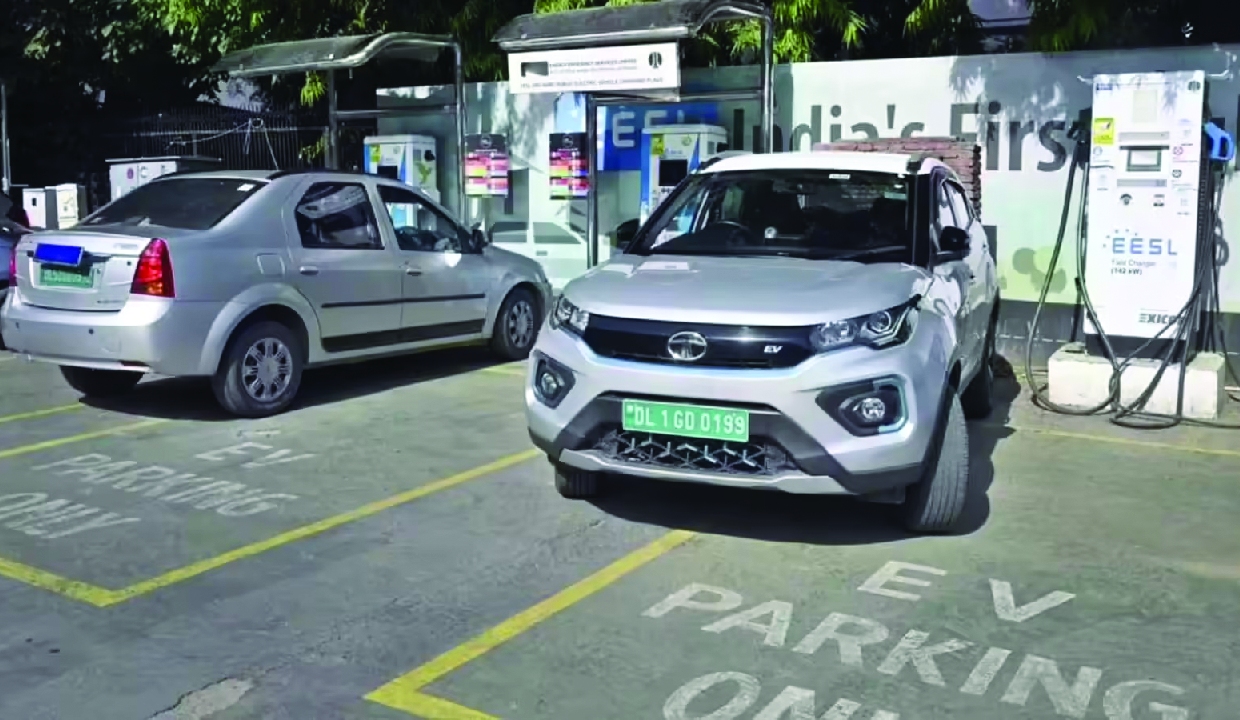
The Delhi Government has received nearly 700 suggestions and feedback submissions on the Draft Delhi EV Policy 2026 during a month-long public consultation exercise, indicating strong public and industry interest in the future of electric mobility in the Capital.
The consultation process, conducted by the Delhi Transport Department, remained open for 30 days until May 10. During this period, the Government invited comments from citizens, industry representatives, institutions, and organisations connected to the electric vehicle ecosystem.
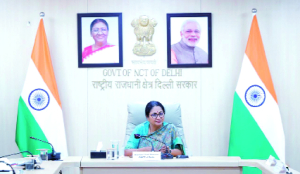
Transport Minister Dr. Pankaj Kumar Singh said the large response reflected Delhi’s growing support for cleaner and sustainable mobility solutions. He said the Government is committed to preparing a practical and future-oriented EV policy that supports wider adoption of electric vehicles while protecting environmental and public health interests.
The minister said the final policy is being designed as a comprehensive framework that could become a model for other Indian cities as well as international urban centres. According to the Transport Department, around 400 submissions were received from members of the public. These included feedback from individual residents, commuters, vehicle owners, students, Resident Welfare Associations, delivery workers, and gig economy employees.
Another 200 submissions came from industry stakeholders, including vehicle manufacturers, charging infrastructure providers, battery swapping operators, recyclers, fleet operators, and power distribution companies.
More than 50 responses were also submitted by institutions such as schools, universities, research organisations, think tanks, environmental groups, non-Governmental organisations, and trade bodies. In addition, several Government departments and statutory authorities sent their suggestions on the draft framework.
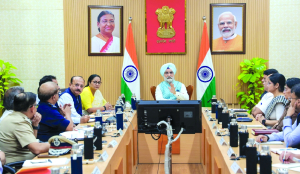
Officials said the consultation exercise included both online and offline participation. The Transport Department also organised meetings and conferences with stakeholders from different sectors of the electric mobility industry to discuss the proposed policy in detail.
Representatives from two-wheeler, three-wheeler, and four-wheeler manufacturing companies, goods vehicle operators, and e-rickshaw stakeholders participated in the discussions. Battery recycling firms, vehicle scrapping agencies, and charge point operators also shared their views on policy implementation and infrastructure requirements.
The Government said the consultations were aimed at ensuring wider participation and collecting practical suggestions before finalising the policy. Dr. Singh said many stakeholders had welcomed the Government’s approach towards promoting clean mobility and supported measures aimed at increasing the use of electric vehicles in Delhi. He added that several detailed and constructive suggestions received during the consultation process are currently being reviewed by the Government.
The minister said recommendations found suitable and practical would be incorporated into the final version of the policy to make it more effective and implementation-focused. The proposed Delhi EV Policy 2026 is expected to play a major role in expanding the city’s electric vehicle infrastructure and reducing pollution levels in the national Capital. The Government has been working to strengthen charging networks and encourage wider adoption of electric mobility across public and private transport systems.
Officials said the policy is intended to create a cleaner transport ecosystem while also supporting long-term sustainability goals for Delhi. The Transport Minister appealed to citizens, manufacturers, charging infrastructure companies, and all stakeholders to continue supporting the Government’s efforts towards clean mobility. He said cooperation between the Government, industry, and the public would be important in making Delhi a leading centre for sustainable urban transport.
The Government is expected to finalise the policy after reviewing the suggestions received during the consultation process.