Empowering prison inmates through skills
In India, prisons are still predominantly viewed as institutions of punishment — places where offenders are locked away, cut off from society, and forgotten. However, a growing body of evidence and early successes suggest that prisons can be far more than containment centres. They can become centres of learning, productivity, and rehabilitation if inmates are empowered with fundamental, marketable skills.
In 2024, prisoners across India generated goods worth approximately `274 crore. Tamil Nadu accounted for `67 crore of this output, followed by Telangana with `56 crore, and both Kerala and Delhi contributing `24 crore each. Maharashtra produced goods worth `21 crore, Gujarat `13 crore, and Andhra Pradesh `12 crore, while other states contributed the remainder. These figures highlight that organised inmate labour and skills can create significant economic value.
However, they also reveal untapped potential. Much of the work performed remains low-skilled, fragmented, and often disconnected from post-release opportunities. In addition, wages set by the state may not reflect market conditions. Many inmates do not receive formal certifications or develop skills that enhance long-term employability. Consequently, when they leave prison, their work experience rarely translates into sustainable employment.
Why Skills Matter for Rehabilitation
The case for rehabilitative skill training is compelling on both moral and pragmatic grounds. India’s prisons are overcrowded, housing around 5.5 lakh inmates. From a societal perspective, most prisoners are not career criminals; over 75 per cent are undertrials, first-time offenders, or individuals caught in socio-economic vulnerabilities. Without meaningful training, many of those who will eventually return to society face bleak prospects for lawful employment. International research consistently shows that vocational training, education, and structured post-release support significantly reduce recidivism.
Norway offers a notable example. The Nordic country has reoriented its criminal justice system towards normalisation and rehabilitation rather than punitive severity. Its recidivism rate-the proportion of released prisoners who reoffend-is remarkably low. According to analyses of inmates released between 2015 and 2024, about 22.9 per cent of male ex-prisoners were reincarcerated. Other reports indicate two-year reconviction rates of around 20 per cent, rising modestly over five years.
Norwegian prisons invest heavily in education, therapy, and vocational training. A study by the University of Bergen found that inmates who were unemployed before incarceration were 40 per cent more likely to be employed five years after release if they had participated in prison training programmes. This is not merely about compassion; it is effective public policy, resulting in fewer crimes, fewer re-arrests, and smoother reintegration.
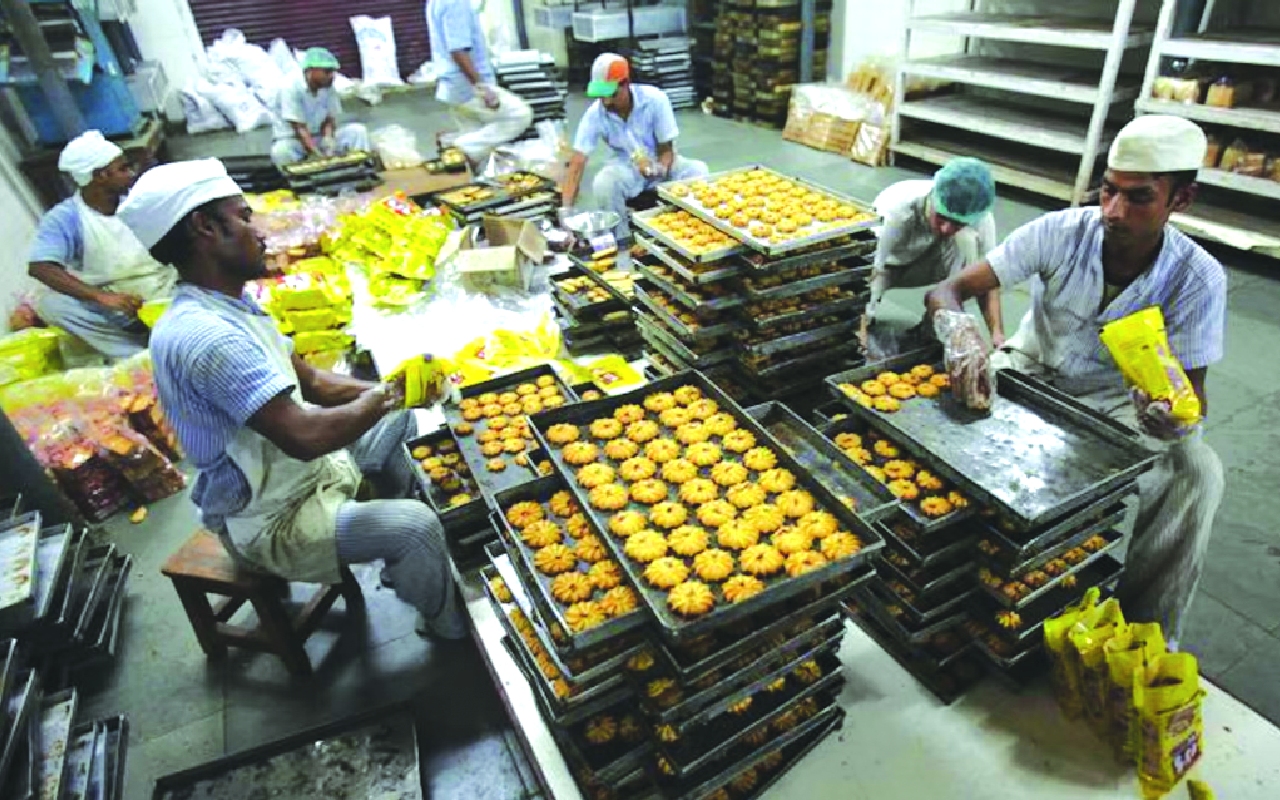
India is not starting from scratch. Several states already run vocational programmes within prisons, including carpentry, weaving, baking, plumbing, agriculture, and beauty and wellness services. In Andhra Pradesh, for instance, inmates in 2023 produced goods worth over `12 crore-a 44 per cent increase over the previous year-through furniture-making, baked goods, printed materials, and agricultural produce.
The Odisha government has also launched a vocational initiative to train inmates in repairing household electrical appliances, a practical and marketable skill.
These initiatives demonstrate two key truths: inmates are willing to work and learn, and when properly guided, their labour can yield socially useful and commercially viable outcomes.
Scaling Success Through Strategy
To convert this potential into systemic reform, India requires a structured and well-funded national mission. Isolated training efforts help, but without coherence in curriculum design, certification, market linkage, and post-release pathways, prison labour risks remaining disconnected from the external economy. Six scalable reforms merit consideration:
n Demand-led vocational curricula: Training must align with real market demand. Instead of generic prison crafts, inmates should be certified in locally relevant trades such as digital skills, plumbing, renewable energy repair, food processing, and tailoring.
n Accreditation and certification: Training should lead to recognised qualifications aligned with national vocational frameworks. Secure digital or physical certificates would enable ex-inmates to demonstrate skills to employers.
n Public-private partnerships: Skill programmes should collaborate with industry, NGOs, and educational institutions. Firms can offer mentorship or employment, while certified trainers can deliver instruction within prisons.
n Enterprise development and prison products: Revenue from prison-made goods should be reinvested. Modern machinery, quality control, branding, and e-commerce can enhance competitiveness. Government procurement quotas can also be leveraged.
n Structured re-entry support: Pre-release planning must include job placement, mentorship, financial literacy, identity verification, banking access, and microcredit for entrepreneurship.
n Monitoring and evaluation: A national mission should include rigorous monitoring and evaluation. Metrics should track training, certification, employment outcomes, and relapse rates, with data guiding course corrections.
A Moral and Economic Imperative
Empowering inmates with skills is not only about rehabilitation; it is about inclusion. Democracies thrive when the marginalised are uplifted rather than permanently excluded. India spends substantial public funds on incarceration. Redirecting even a portion towards training and reintegration can yield long-term social and fiscal returns.
Above all, this is a matter of dignity. Many incarcerated individuals come from socio-economically vulnerable backgrounds. Access to training affirms their potential, builds self-worth, and enables genuine transformation. It converts prisons from sites of punishment into spaces of possibility.
Towards a National Mission of Prison Reform
The `274 crore worth of prison-made goods produced in 2024 is not merely a statistic; it is a signal. It demonstrates that inmates can contribute productively when given opportunity and structure. Yet this is only a beginning. India stands at a crossroads: continue with a fragmented, under-utilised prison production system, or transform it into a national mission of rehabilitation.
By investing in skills, certification, partnerships, and structured re-entry, India can build a prison system that not only punishes crime but prevents it-one that restores lives and builds futures.
If Norway can reduce reoffending rates to the low twenties through humane reform, there is no reason India cannot chart its own path-just, pragmatic, and forward-looking. Prison walls need not end hope; they can mark the beginning of transformation.
The writer is Co-Founder and Managing Director of Orane International, a Training Partner with the National Skill Development Corporation (NSDC); views are personal