ED raids across Punjab in probe into illegal industrial plot allotments by PSIEC officials
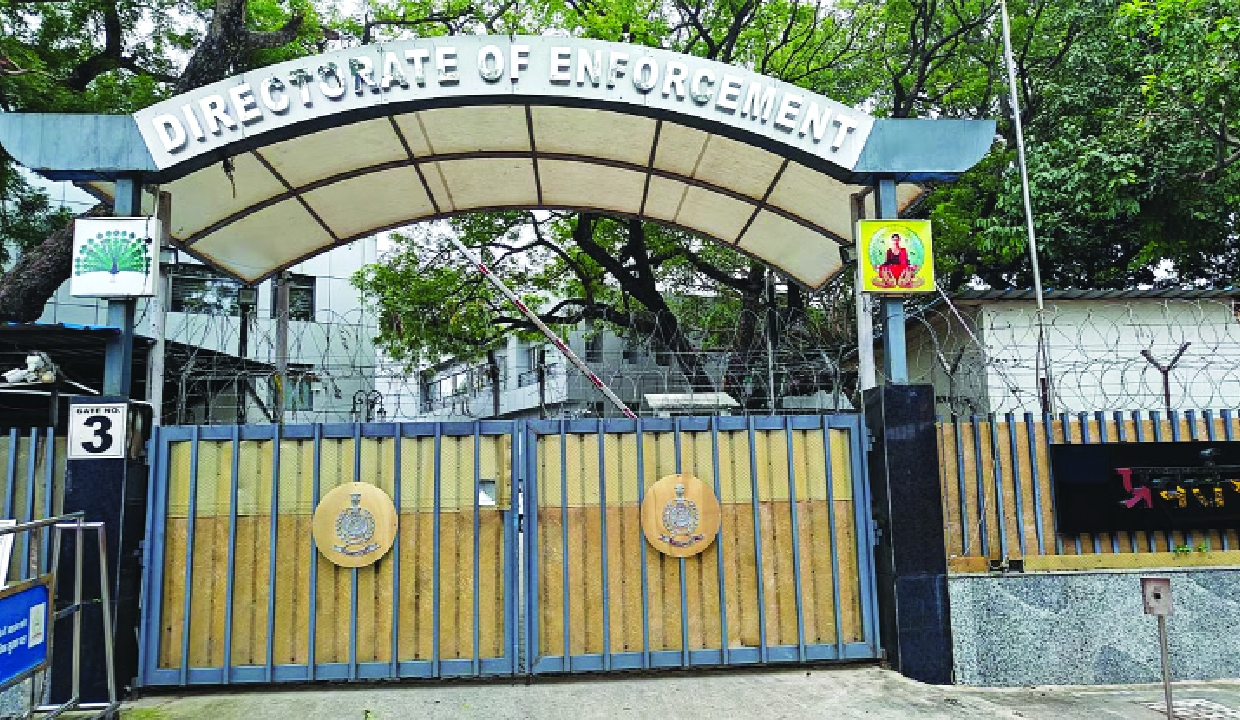
The Enforcement Directorate’s (ED) Jalandhar office has stepped up its money-laundering investigation into alleged illegal industrial plot allotments by Punjab Small Industries & Export Corporation officials. ED teams carried out searches at 11 locations in Chandigarh, Amritsar, Gurdaspur, and Ludhiana.
Officials also surveyed the PSIEC office. This action, carried out under the Prevention of Money Laundering Act, 2002, came after the Vigilance Bureau filed an FIR against several PSIEC officials and private individuals under the Prevention of Corruption Act, 1988 and the Indian Penal Code. According to the ED, industrial plots were given to people without technical industry experience, using fake companies and false addresses. These allotments were reportedly made possible by close connections with PSIEC officials, and the handover of plots was often delayed much longer than allowed.
Officials labelled the years in between as a “zero period,” which let them move allotment dates forward and give beneficiaries more time to pay without interest. Investigators found that these illegal allotments were made in return for large bribes, paid either in cash or through complicated financial deals. Many plots went to shell companies and fake firms, then were sold at market prices to others, creating large illegal profits. In some cases, plots meant for industry were split up and used for homes or businesses instead. During the searches, ED teams took incriminating documents and digital devices from several places. They also found unaccounted cash totalling Rs 12.15 lakh. In addition, the bank accounts of two retired PSIEC officials, Surinder Pal Singh (former Chief General Manager) and Jaswinder Singh Randhawa (former General Manager), were frozen, with about Rs 4.01 crore in total. The ED says these findings show a pattern of abuse in the plot allotment process.
Officials are accused of helping relatives, friends, and associates by using the corporation’s programs for personal gain. Shell companies and fake businesses hid who really benefited, making it possible to sell plots at market prices and turn public assets into private profits.
The investigation is still underway. Investigators are tracing the money, identifying additional beneficiaries, and looking into whether other officials or private individuals were involved. The case continues to raise concerns about transparency and accountability in how state-run corporations distribute industrial land.
“The ED’s action under the PMLA is based on investigating suspected corruption as part of a money-laundering probe, with the power to seize and confiscate tainted assets. As the investigation continues, more details are expected about the extent of the alleged wrongdoing and the people involved”, a senior official said.