ED digs into NHAI toll racket
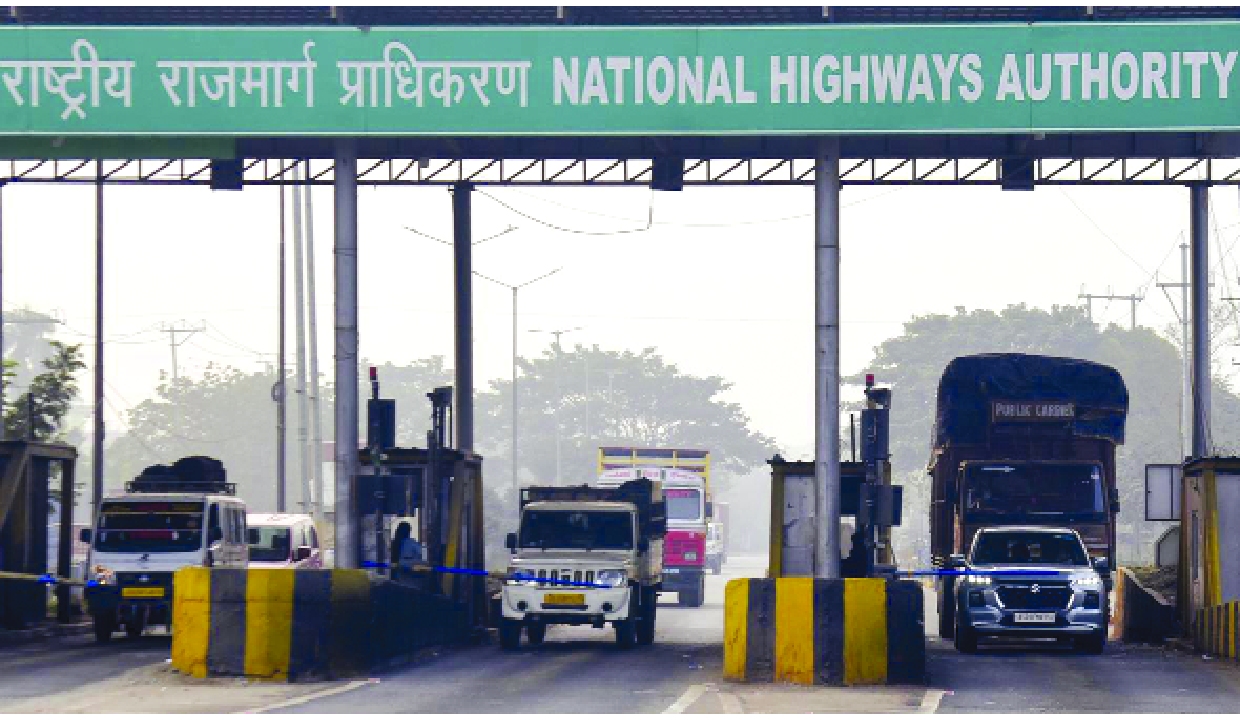
On Wednesday, the Enforcement Directorate (ED) carried out searches at around 14 locations across the country as part of a money-laundering investigation into suspected fraudulent toll collection at National Highways Authority of India (NHAI) plazas. Sources said the alleged fraud could be worth crores of rupees. However, the agency has not yet given a final loss figure, as the financial analysis is still ongoing.
The ED’s Lucknow Zonal Office started the operation under Section 17 of the Prevention of Money Laundering Act, 2002. Officials said teams began early in the morning, with its personnel present at some sites across Uttar Pradesh, Rajasthan, Maharashtra, Jammu and Kashmir, Madhya Pradesh, Delhi-NCR and West Bengal to collect digital devices, documents, and other records.
In Jammu, investigators searched the Gandhi Nagar home and Trikuta Nagar office of businessman Rakesh Choudhary. In Kolkata, officers raided a flat on Shakespeare Sarani that serves as a city-based businessman’s office.
The money-laundering investigation began after police FIRs, including FIR No. 17 dated January 22, 2025. The agency then registered an Enforcement Case Information Report, ECIR/ASZO/04/2025, on May 19, 2025.
The complaints claim that unauthorised software was installed at several NHAI toll plazas to create receipts outside the approved system. Officials said these receipts allowed cash collected from motorists to be kept off official records, so the amounts did not appear in NHAI ledgers. ED officials said that forensic checks of digital systems and NHAI records have confirmed the use of such software. Investigators explained that a separate unauthorised application generated fake receipts, while the official plaza software recorded different transactions.
The agency is now looking into whether the diverted money was moved through accounts, cash transfers, or other methods that could fall under the Prevention of Money Laundering Act.
The searches aim to recover computers, servers, storage devices, copies of software, bank records, and other evidence. They also seek to identify the people and groups who may have controlled or benefited from the unauthorised applications, and to trace the proceeds of the crime. Officials said the investigation has expanded beyond individual plaza issues to a larger network that may have supplied, installed, or operated the software and managed the diverted funds.
They are also checking how long the unauthorised applications were used and how many plazas they were used at. The ED said it will review bank statements, cash records, software logs, and NHAI traffic and collection data to determine whether money from unauthorised receipts was laundered.